Air on the G String
About this arrangement
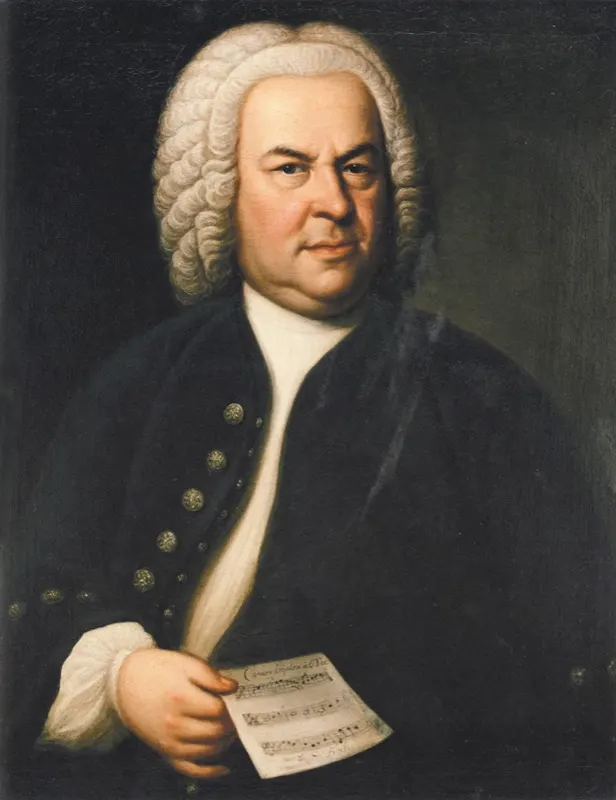
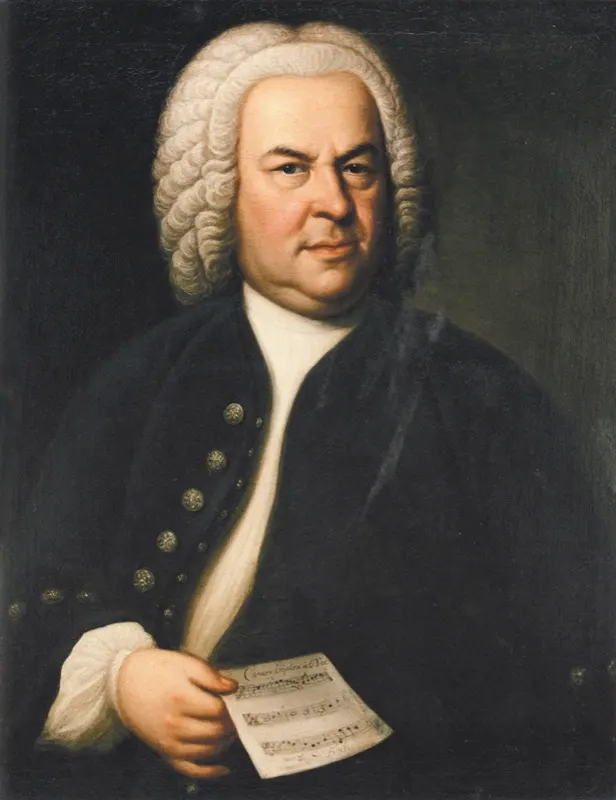
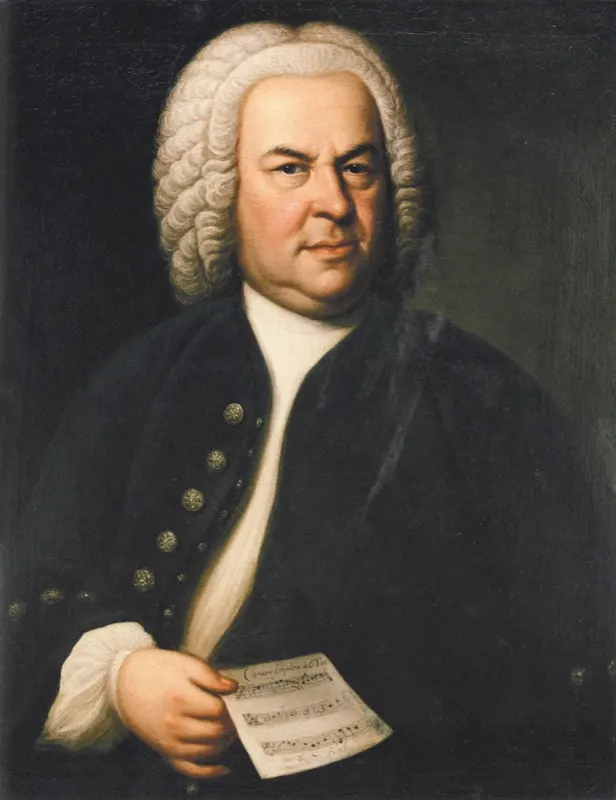
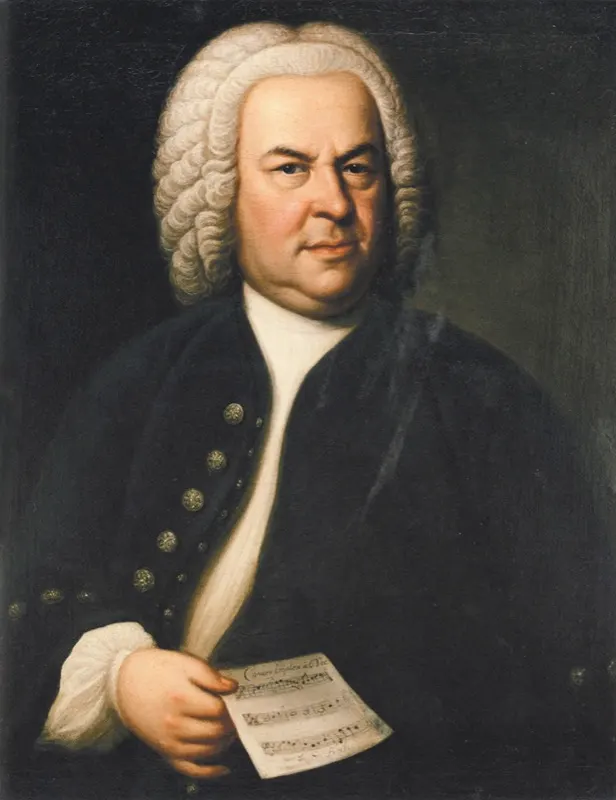
Bach wrote the Air as the second movement of his Orchestral Suite No. 3 in D major. The nickname came more than a century later: in 1871 the violinist August Wilhelmj arranged it so a soloist could play the whole melody on the lowest string of the violin, the G string.
The left hand is the engine: practise it alone until the walking quarter notes are even and unhurried. Then add the melody and hold every long note for its full value - the tied notes are where the music breathes. Do not rush the quick notes that lead into each phrase.
Start with short loops.
Use the section list as a practice map. Start at 50% tempo, loop one section, then return to the full piece once the hand shape feels stable.
Choose Right or Left to focus on one hand. Wait for note checks the highlighted notes as you play them on the screen or a connected MIDI keyboard.
Before you practice.
01 Why is it called Air on the G String?
In 1871 the violinist August Wilhelmj arranged Bach's Air so it could be played entirely on the violin's G string. His arrangement gave the piece its nickname.
02 Is Air on the G String hard on piano?
In this arrangement it is a good intermediate piece. The notes are not fast; the challenge is holding long notes over a steady bass.
03 What key is this edition in?
C major. Bach's original is in D major.