Invention No. 1
The Invention that teaches every other Invention.
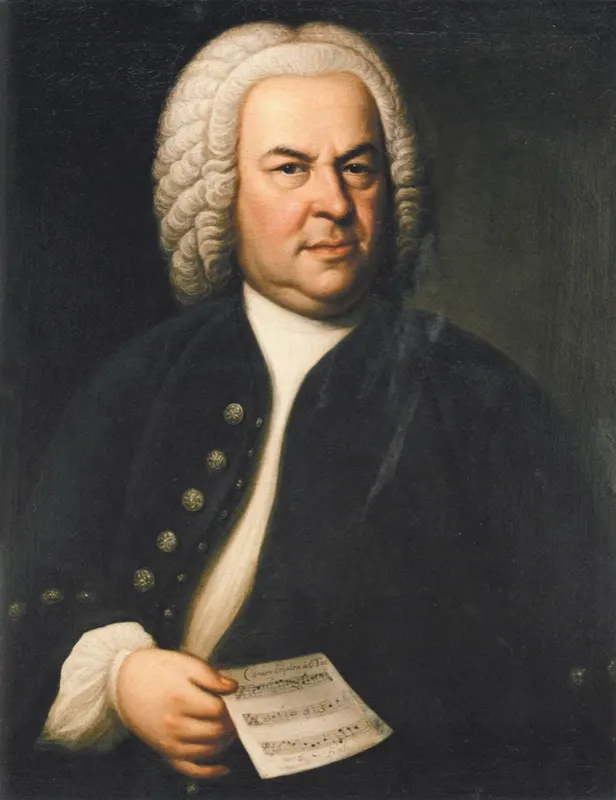
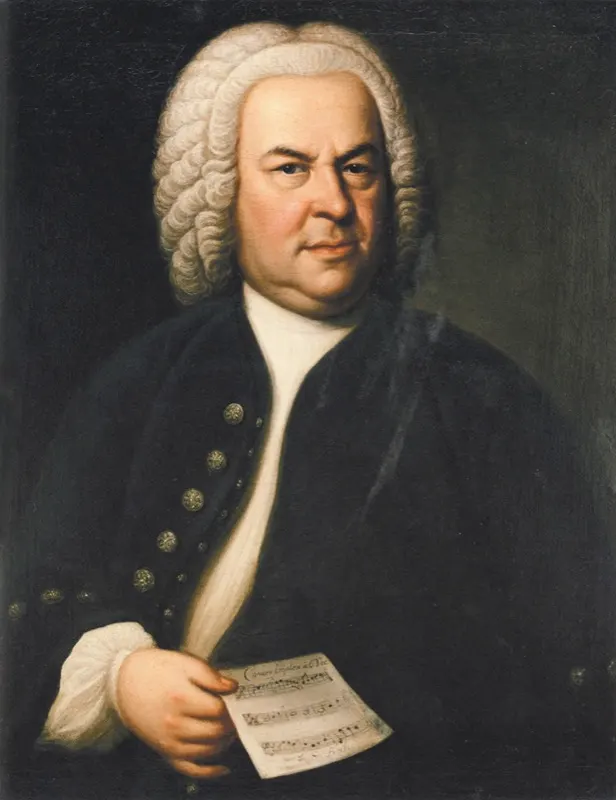
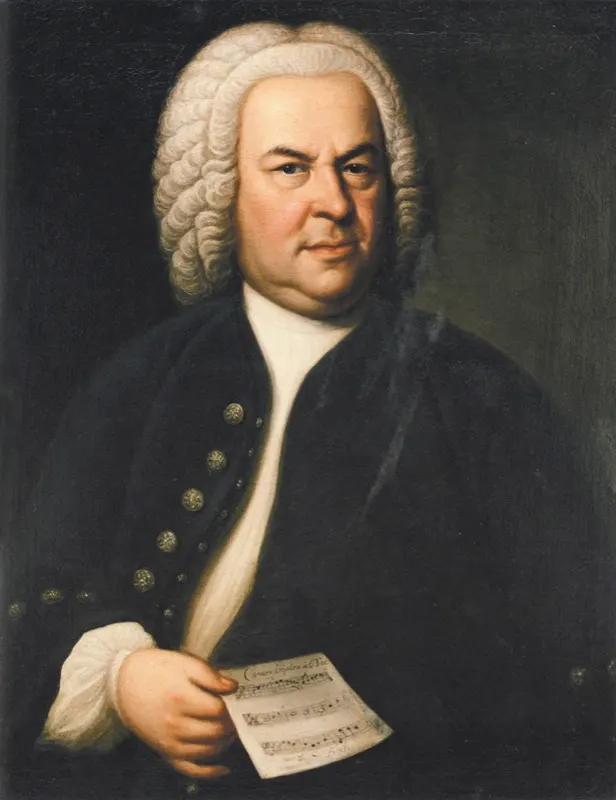
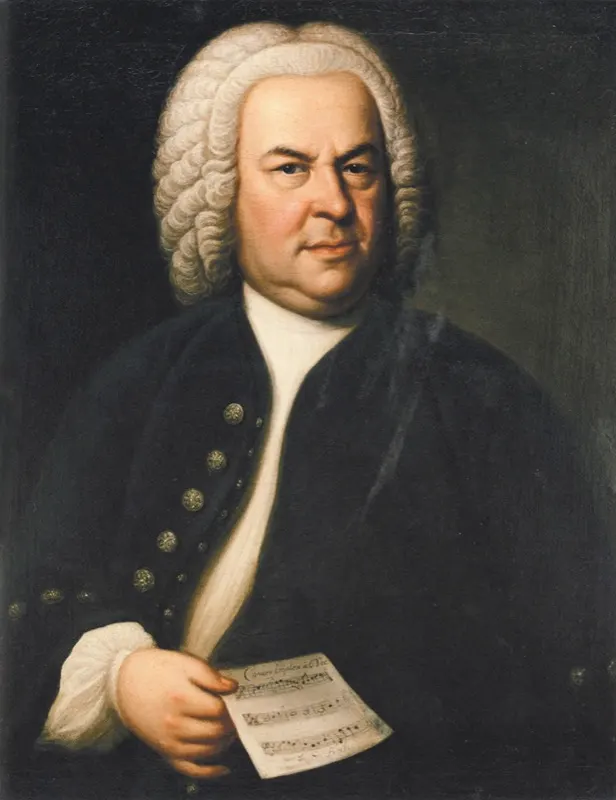
Bach wrote the fifteen two-part Inventions around 1720 and collected them in the Clavier-Büchlein he compiled for his eldest son Wilhelm Friedemann - a workbook of pieces ordered by increasing difficulty and complexity. The Inventions were not concert pieces; they were teaching tools, designed to show a student how to develop a single short melodic idea through imitation, inversion, and sequence across two independent voices.
No. 1 in C major is the purest statement of that purpose. Its opening four-note motif - step up, step up, leap up - is immediately answered by the left hand one beat later, launching an imitative dialogue that never fully stops. The key of C major, with no sharps or flats, removes all harmonic distraction and lets the counterpoint itself carry the piece's entire weight.

Chase the motif from hand to hand.
Because both voices share the same material, the most effective approach is to learn each hand alone until the four-note motif feels automatic at tempo, then combine them and listen for the echo effect: every phrase in the right hand should be answered almost immediately in the left. Use the section loop to isolate the middle sequence where the imitation briefly tightens to overlapping entries.
Engraving based on the Mutopia Project edition , licensed CC BY-SA 3.0.
MIDI based on the Mutopia Project edition , licensed CC BY-SA 3.0.
Before you practice.
01 Is Bach Invention No. 1 good for late beginners?
Yes. The texture is two voices in 4/4, without chords or rapid ornaments. The challenge is keeping each hand independent rather than letting the stronger one dominate.
02 How many bars is BWV 772?
The standard Invention No. 1 in C major is 22 bars long, making it short enough to work through in a single focused session.
Even articulation is the whole game.
Set tempo to 50% and confirm each hand lands on the beat with identical touch - the Invention exposes any unevenness because both voices play the same notes. Loop two-measure units at 75% before connecting sections. Wait-for-note is currently off, so the playback will proceed automatically; use the tempo slider to slow down tricky hand-crossing passages.