Little Prelude in D minor, BWV 935
D minor's restless energy - a miniature toccata.
D minor was Bach's key of agitation and drama, the key of the famous Toccata and Fugue and the Chaconne for solo violin. Even in this small teaching piece, BWV 935 carries that character: the opening gesture has a forward-thrusting energy absent in the C-major and C-minor preludes, and the modulation through F major (the relative) feels like a brief exhale before the piece presses back toward its tonic.
The piece belongs to the same pedagogical cluster as BWV 924-943, written to give young keyboard students a variety of keys and affects in easily digestible doses. Its compact binary-like structure - a gesture, a harmonic excursion, a return - is a blueprint for countless larger Bach movements compressed into a single page.
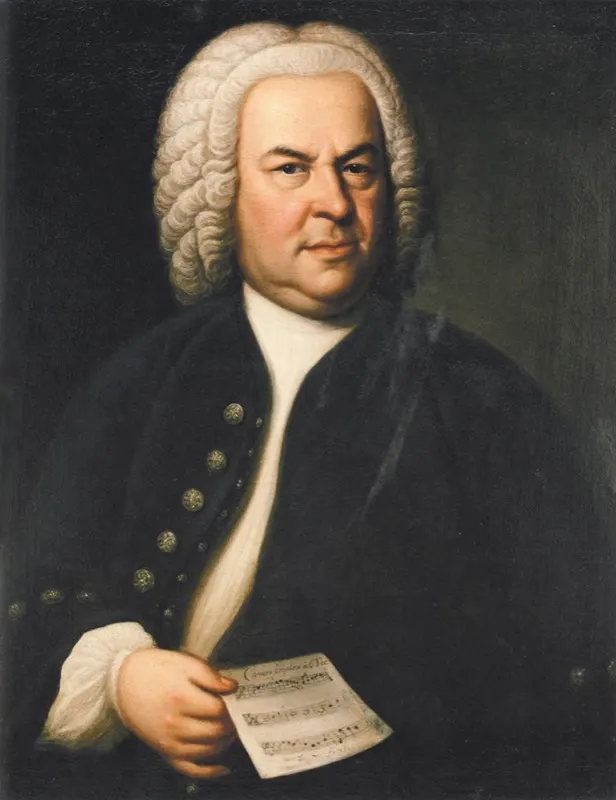

Start with the opening gesture and nail its rhythm.
The opening figure sets the rhythmic character for the whole piece. Practice it hands together from the very first bar at 60% tempo, making sure the short-long or upbeat-accent patterns are crisp before moving forward. Once the opening is solid, the rest of the piece follows its logic naturally.
MIDI based on the Mutopia Project edition , licensed CC BY-SA 3.0.
Before you practice.
01 How many bars is Bach's Little Prelude in D minor BWV 935?
48 bars in 3/4 time - long enough to be a satisfying piece, short enough that a beginner can memorize it in a few weeks of daily practice.
02 What level is needed to play BWV 935?
Early beginner - roughly six months to a year of lessons. The main challenge is sustaining even sixteenth notes at a steady tempo, which this piece trains effectively before moving on to the inventions.
Lean into the forward energy without rushing.
D-minor pieces invite rush: the energy pulls you forward. Counter this by placing the tempo slider at 75% and listening to whether each beat lands exactly in place. Mark the measure where F major arrives and play just that transition five times - the harmonic shift is the piece's dramatic apex and deserves precise timing.