Pathétique Sonata, 2nd movement
About this arrangement
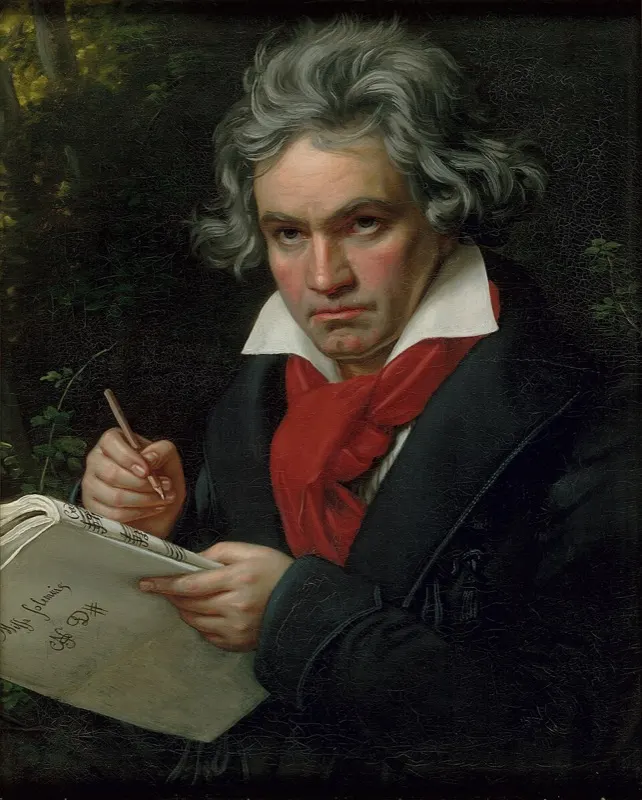
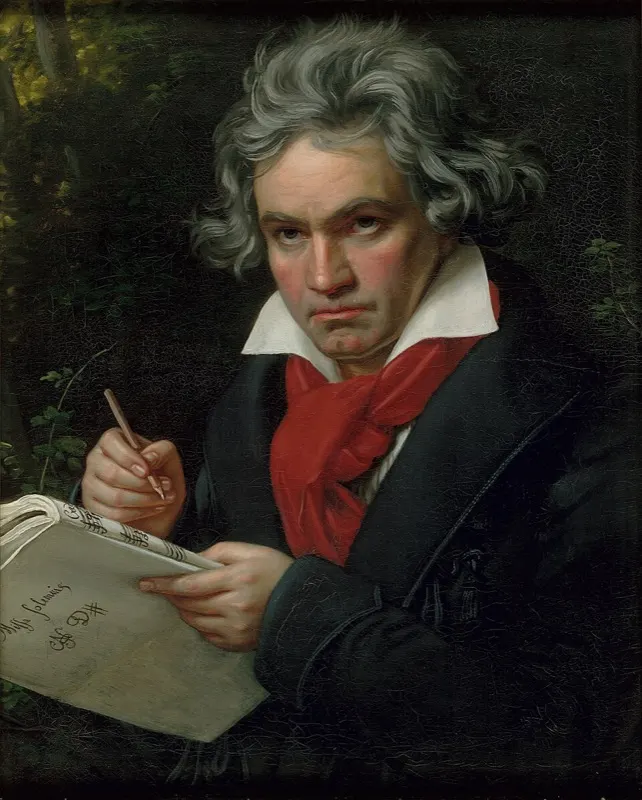
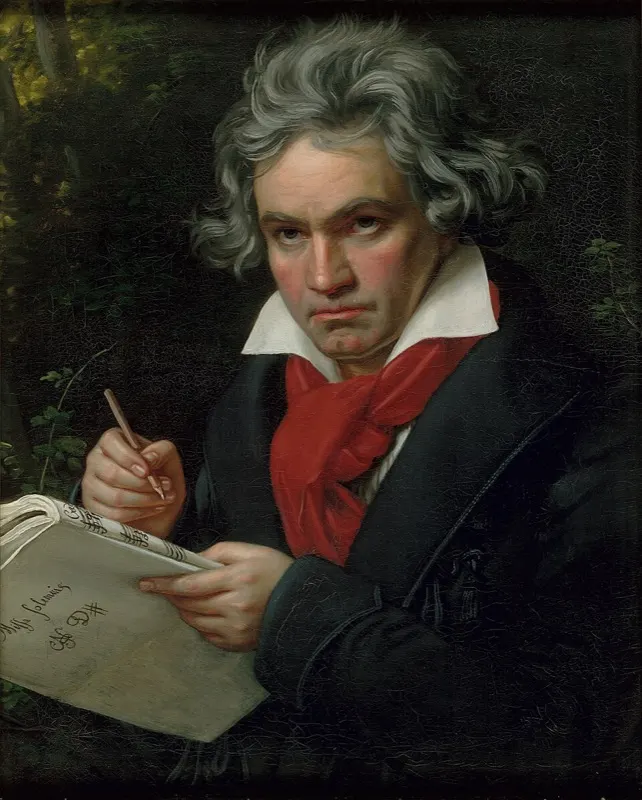
Beethoven wrote the Sonata in C minor, Op. 13, in 1798, published it in 1799 and dedicated it to his friend and patron Prince Karl von Lichnowsky. The title Grande sonate pathetique came from the publisher, and Beethoven liked it. This Adagio cantabile, the middle movement, became one of his best-loved melodies.
The right hand plays melody and accompaniment at once: the top note sings, the sixteenths below it stay soft. Practise the top line alone, then add the inner notes at half volume. Count the 2/4 in small, steady beats so the long notes do not drift.
Start with short loops.
Use the section list as a practice map. Start at 50% tempo, loop one section, then return to the full piece once the hand shape feels stable.
Choose Right or Left to focus on one hand. Wait for note checks the highlighted notes as you play them on the screen or a connected MIDI keyboard.
Before you practice.
01 Is the Pathétique second movement hard?
It is intermediate. The notes are not fast, but balancing a singing melody against a soft accompaniment in the same hand takes control.
02 What key is the Adagio cantabile in?
A-flat major, with four flats. The sonata as a whole is in C minor.
03 Who named the Pathétique Sonata?
The publisher titled it Grande sonate pathetique, and Beethoven approved of the name.