Prelude in B major, Op. 28 No. 11
A breath of B major between two darker preludes.
Prelude No. 11 in B major is one of the sunniest pieces in the Op. 28 set - a gentle, flowing study in broken-chord accompaniment that stands in deliberate relief between the turbulent No. 10 and the searching No. 12. Chopin completed it during the same 1838-39 Majorcan winter that produced much of the collection, working in difficult conditions but somehow producing this small piece of untroubled lyricism.
The right hand carries a singing melody above rolling left-hand arpeggios, a texture Chopin had refined through his nocturnes. The prelude is short - under a minute in most performances - but its consistent B-major brightness gives it a personality quite distinct from the more turbulent members of the set.
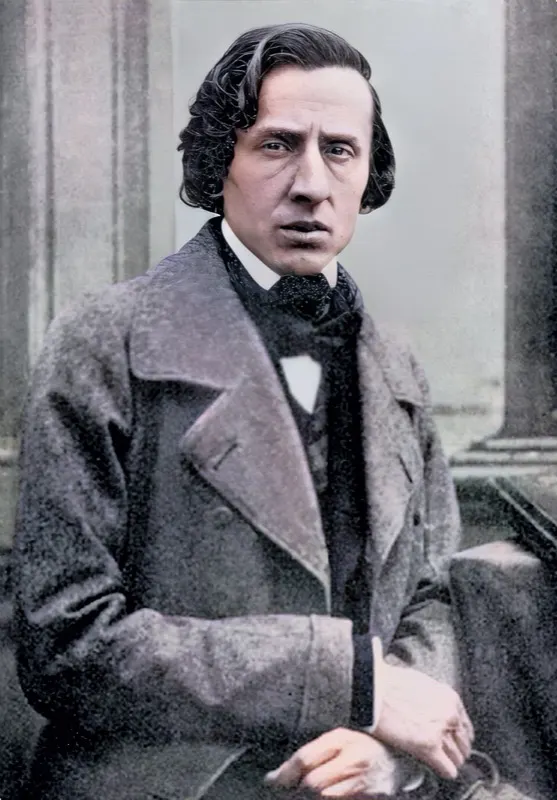
Float the melody over an even arpeggio carpet.
The challenge is balance: the left-hand arpeggios must remain soft and even so the right-hand melody can sing above them without effort. Practise the left hand alone at a slow tempo, aiming for a circular wrist motion that produces no accents on individual notes.
Engraving based on the Mutopia Project edition , licensed Creative Commons Attribution-ShareAlike 4.0.
MIDI based on the Mutopia Project edition , licensed Creative Commons Attribution-ShareAlike 4.0.
Before you practice.
01 Is Chopin Prelude Op. 28 No. 11 good for late beginners?
Yes - it is one of the more accessible preludes in Op. 28. The right-hand leaps need some practice to become natural, but the piece is short, the tempo is moderate, and the B major key, while full of sharps, has a positive, uplifting character that rewards the effort.
02 What makes Prelude No. 11 special among the Op. 28 set?
Its lightness. Most of Op. 28 leans toward drama or melancholy, but No. 11 offers a transparent, almost dance-like energy - making it a popular recital opener or a breath of relief between heavier pieces.
Keep the arpeggios quieter than you think they need to be.
At 60% tempo, play the left hand alone and aim for a level, unaccented flow - the thumb note should not stick out. At 80%, add the right hand and use wait-for-note mode to check that the melody note is slightly louder than the arpeggio notes beneath it. The piece should feel effortless at full tempo; if it doesn't, the left hand is still too heavy.