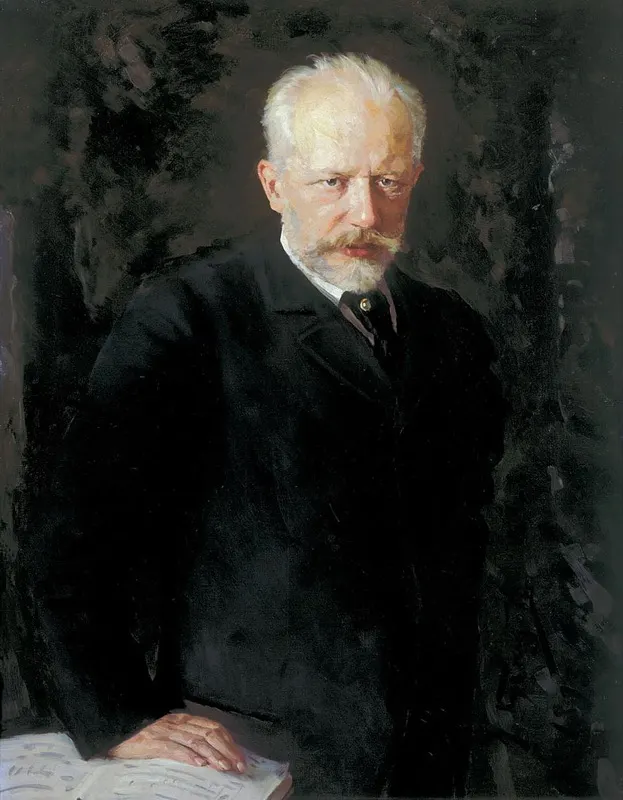
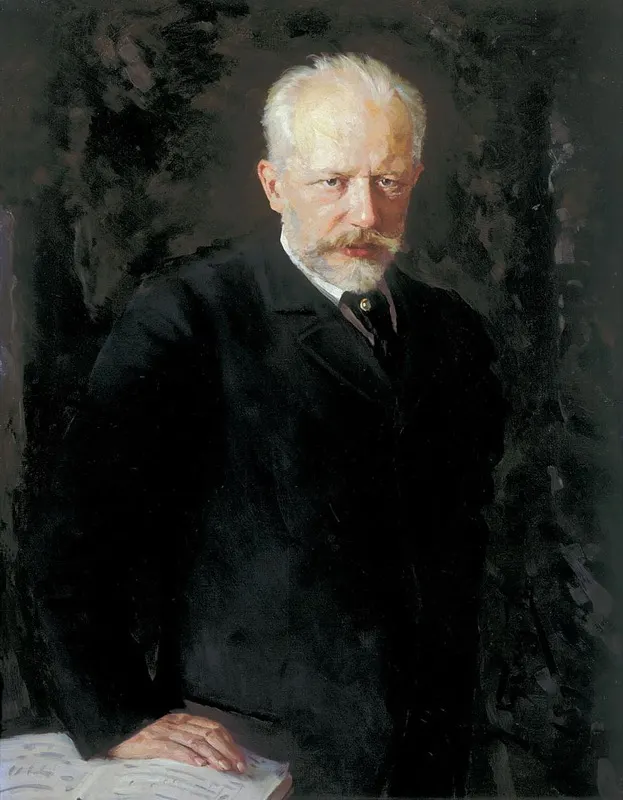
Dance of the Sugar Plum Fairy
About this arrangement
Tchaikovsky started The Nutcracker in 1891. On his way home from an American tour he came across a new instrument in Paris, the celesta, and heard in its bell-like sound the voice of his Sugar Plum Fairy. He wrote to his publisher asking for one to be bought for the ballet. The ballet opened in December 1892.
Everything here is light. Keep the opening chords short and quiet, as if plucked. The high passages are the celesta: play them close to the keys, with loose fingers, and slow them right down at first - clean notes matter more than speed.
Start with short loops.
Use the section list as a practice map. Start at 50% tempo, loop one section, then return to the full piece once the hand shape feels stable.
Choose Right or Left to focus on one hand. Wait for note checks the highlighted notes as you play them on the screen or a connected MIDI keyboard.
Before you practice.
01 What instrument plays the Sugar Plum Fairy?
The celesta, a keyboard instrument whose hammers strike metal plates. Tchaikovsky discovered it in Paris in 1891.
02 Is the Sugar Plum Fairy hard on piano?
This version is intermediate: the rhythm is simple, but the staccato chords and fast high figures need a light, controlled touch.
03 What key is this edition in?
E minor, with one sharp.