Maple Leaf Rag
About this arrangement
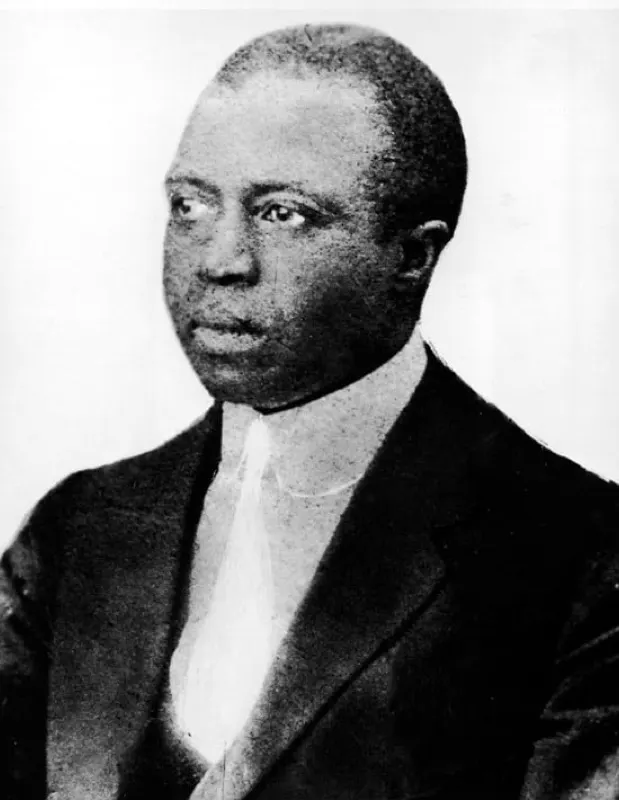
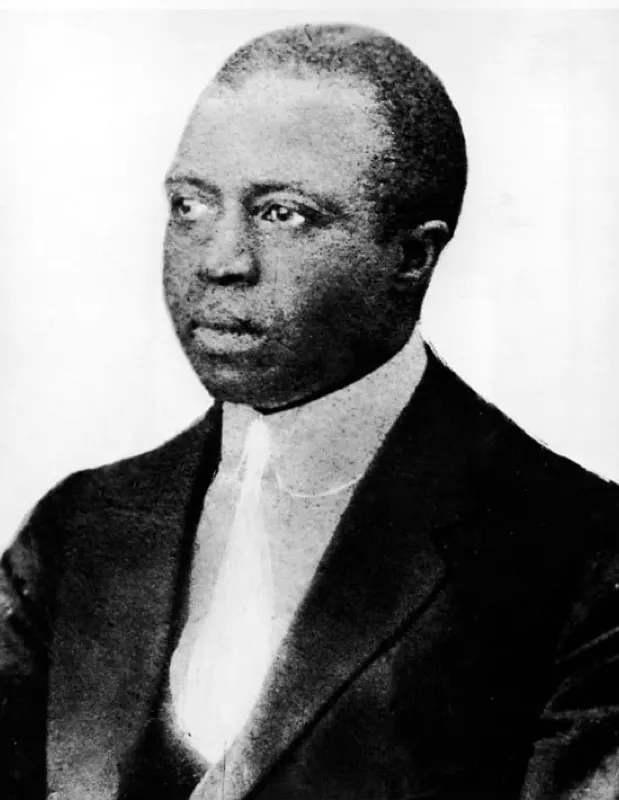
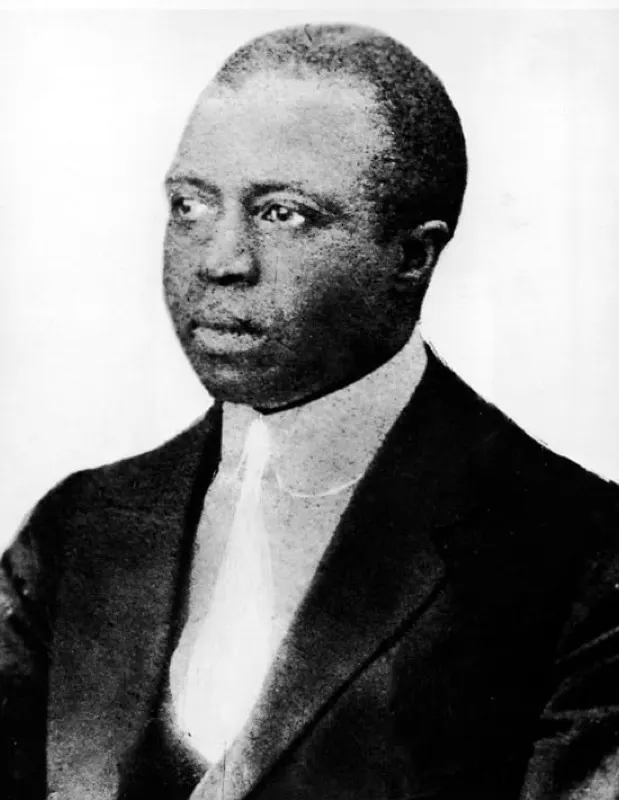
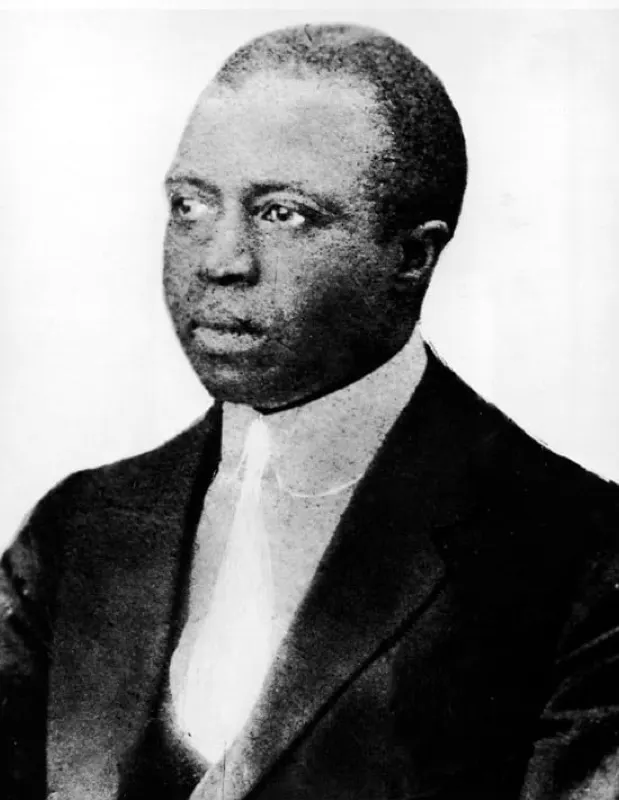
John Stark of Sedalia, Missouri, published the Maple Leaf Rag in 1899 and paid Joplin a royalty of one cent a copy. It sold about 400 copies in its first year, then took off; it is often said to be the first piece of sheet music to sell a million copies. The name may come from the Maple Leaf Club in Sedalia, where Joplin played.
Start with the left hand: low note, chord, low note, chord. The leap is the hard part, so look ahead to the bass note, not at your hand. The right-hand syncopations land between the beats - count the sixteenths out loud before adding the left hand, and keep the tempo moderate.
Start with short loops.
Use the section list as a practice map. Start at 50% tempo, loop one section, then return to the full piece once the hand shape feels stable.
Choose Right or Left to focus on one hand. Wait for note checks the highlighted notes as you play them on the screen or a connected MIDI keyboard.
Before you practice.
01 Is the Maple Leaf Rag hard?
Yes, it is advanced: the left hand leaps constantly and the right hand is syncopated throughout.
02 When was the Maple Leaf Rag written?
It was published in 1899 by John Stark in Sedalia, Missouri.
03 What key is the Maple Leaf Rag in?
A-flat major, with four flats.