Sonata in C major KV 309 - Allegro con spirito
The orchestral piano sonata - Mozart writes for Mannheim's best.
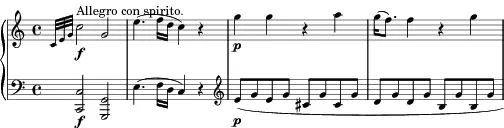
Piano Sonata in C major, KV 309, was composed in Mannheim in the autumn of 1777, when Mozart was twenty-one and visiting one of the finest orchestras in Europe. The first movement in particular reflects the Mannheim style: sharp dynamic contrasts between forte and piano, a singing second theme that sounds almost operatic, and an opening gesture that feels more like an orchestral tutti than a domestic piece.
Mozart wrote it for Rosa Cannabich, the daughter of the orchestra's director, whose playing he described admiringly in his letters home to his father. The sonata is technically demanding - the first movement contains octave passages and wide leaps that push the amateur player - but it is also one of the most lucid examples of Classical sonata form in his output, making it ideal for understanding how exposition, development, and recapitulation work.
Map the three sections before learning the notes.
Identify where the exposition ends (first repeat sign), where the development begins, and where the recapitulation arrives - listen for the return of the opening theme in the home key of C major. Understanding this three-part architecture means every passage has a structural function and the learning is faster.
Before you practice.
01 How difficult is Mozart Sonata KV 309?
KV 309 sits at the intermediate level. The finger-work and sudden dynamic shifts are more demanding than the easier K. 545, but the piece rewards students who are comfortable with scale runs and octave stretches.
02 Who was Rosa Cannabich and why did Mozart write this sonata for her?
Rosa Cannabich was a 15-year-old piano student and daughter of Johann Christian Cannabich, conductor of the celebrated Mannheim court orchestra. Mozart was charmed by the Cannabich family during his 1777 visit and wrote KV 309 as a teaching and concert piece tailored to Rosa's abilities and expressive character.
Honour the dynamic contrasts - they are structural, not cosmetic.
At 60% tempo, exaggerate the forte-piano contrasts so your hands learn the physical difference in weight. At 80%, use wait-for-note mode at the development section's modulations to stay in control of the harmonic rhythm. The recapitulation should feel like a confirmation of something the exposition promised - make the opening theme's return sound inevitable.