Invention No. 5 in E flat major
The lyrical surprise hidden among the dances.
E-flat major is an unusual choice in the Clavier-Büchlein context - with its three flats it sits at the warmer, more intimate end of the keys Bach explored in the collection, and Invention No. 5 reflects that warmth in its character. Where many of the Inventions are driven by a single motor-like motif, No. 5 has a more cantabile quality: the opening phrase rises and turns with a suppleness that suggests singing rather than mechanical spinning.
Bach uses sequence and imitation here in a subtler way, allowing the two voices to shadow each other at the distance of a measure or more rather than entering almost simultaneously. The result is an Invention that feels more spacious than its companions, less about demonstrating density of counterpoint and more about demonstrating how two voices can sustain a melody together - relevant preparation for the two-part keyboard writing Bach would develop throughout his cantatas and the Anna Magdalena notebooks.
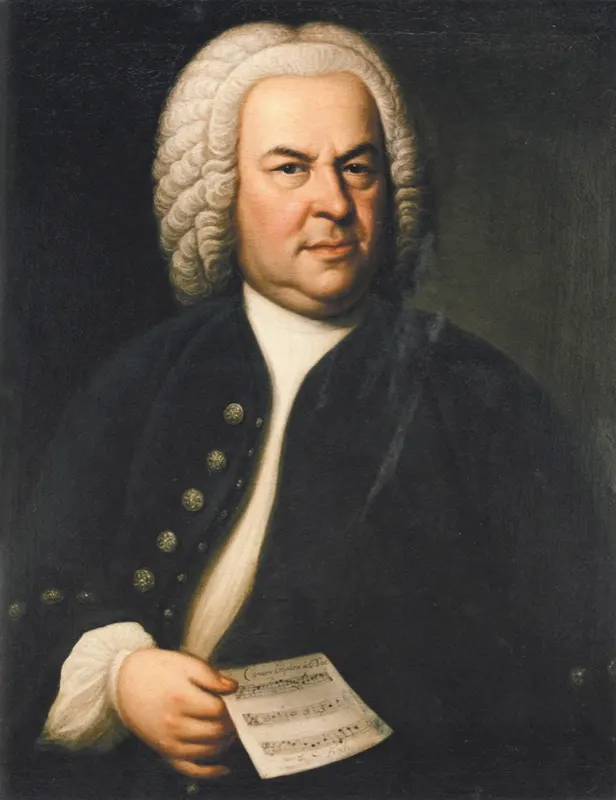

Sing the phrase before playing it.
Before sitting at the keyboard, sing or hum the right-hand opening phrase from memory - Invention No. 5 rewards players who approach it as a vocal piece transposed for fingers rather than a technical exercise. Once each hand is learned separately at a comfortable tempo, combine them and aim for a consistent legato touch that sustains the cantabile quality through the sequential passages in the middle section.
Before you practice.
01 Why does Bach Invention No. 5 feel harder than the first inventions?
E-flat major requires three flats, so the hand positions are less instinctive for beginners. The consistent sixteenth-note flow also means both hands share demanding passages equally, not just the right.
02 How many bars is BWV 776?
Invention No. 5 is 32 bars long. At a singing tempo it runs about ninety seconds - compact enough for daily warm-up practice.
Legato first, then voice balance.
Begin at 50% tempo with careful legato fingering in both hands; the flowing character disappears entirely if the touch becomes detached. Use the loop feature on the middle sequence to work on balancing the two voices - the left-hand imitation should be audible but never louder than the right-hand melody. Wait-for-note is off for now; playback advances automatically.