Interactive piano piece
Learn Little Prelude in C major, BWV 924
Eighteen bars of fluid C-major arpeggios - the gentlest on-ramp Bach ever wrote for the keyboard. The interactive desk lets you slow the running sixteenth-note figures to any tempo, loop the hand-crossing passages, and hear the open C-major harmony settle into place before you commit to the keys.
Browser MIDI check pending
Loading score...
Press Play for the full piece, or choose Opening and switch to Wait for note for guided right-hand practice.
About the piece
The first lesson - a father's gift in C major.
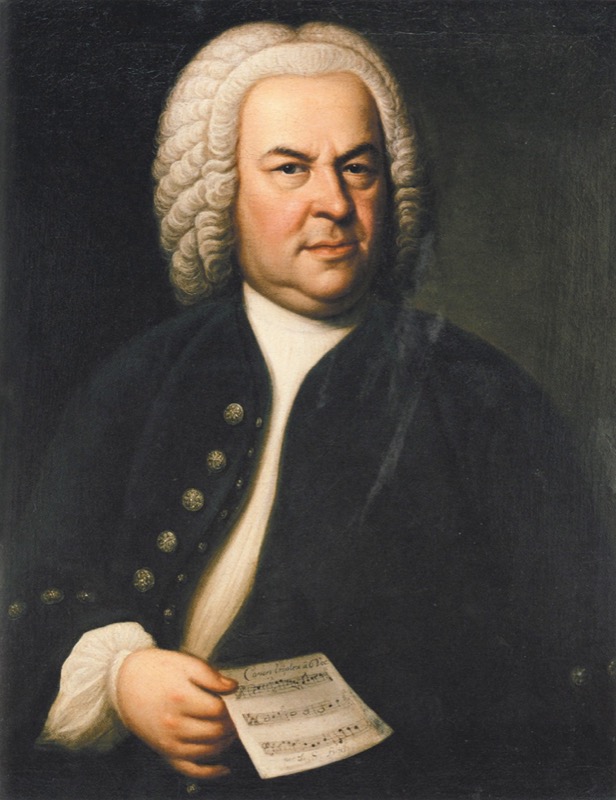
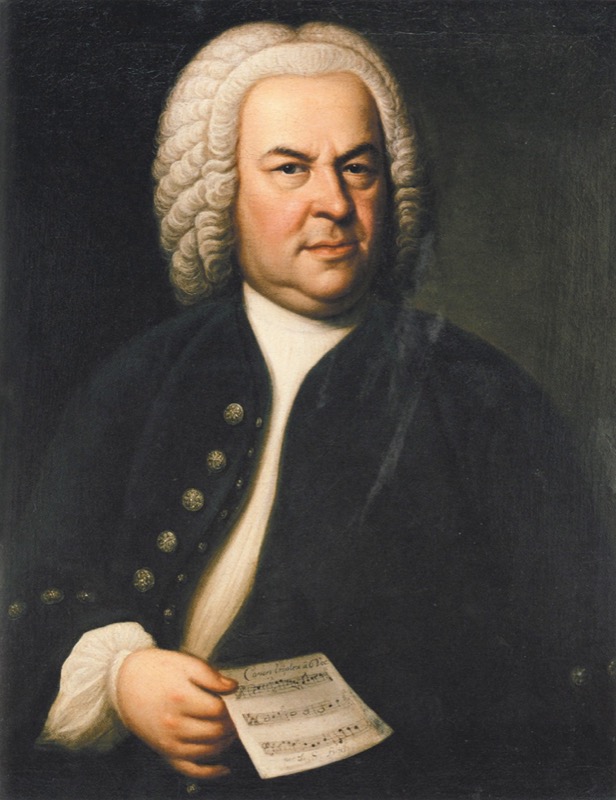
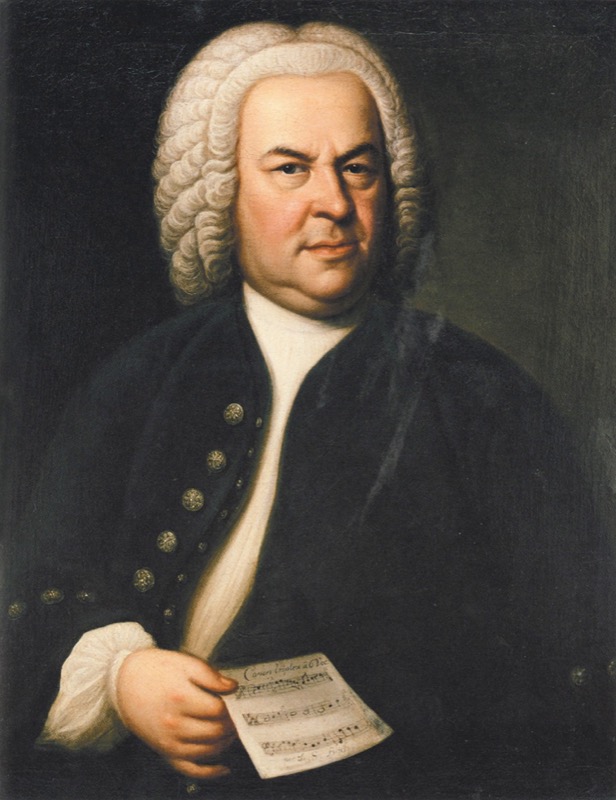
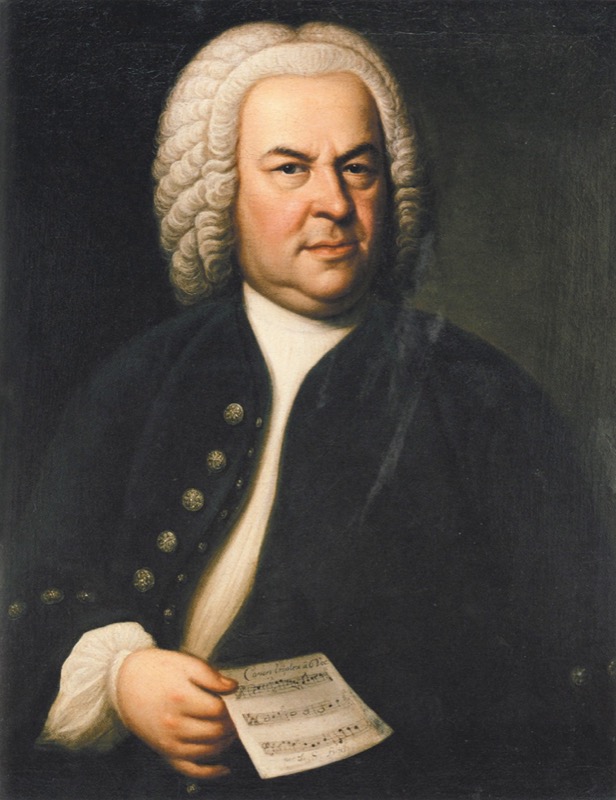
Around 1720, Bach began filling a small notebook for his eldest son Wilhelm Friedemann, then nine years old. The Clavier-Büchlein opens with a chart of ornaments and fingering tables, then moves directly into a sequence of Little Preludes - short pieces designed to introduce the young student to keyboard technique and harmonic thinking without overwhelming him. BWV 924 is the first of these preludes: a bright, spinning piece in C major whose broken-chord figures in the right hand cascade over a steady bass, teaching the student to control a continuous line while the left hand holds the harmonic foundation.
The piece covers more harmonic ground than its modest length suggests, passing through the relative minor and touching the dominant before returning home. Bach kept the texture lean and the figurations idiomatic for small hands, yet the piece already carries his unmistakable logic - every measure connects to the next with the inevitability of good argument.

Practice path
Build the right-hand stream before adding the bass.
Learn the right-hand broken-chord figures alone at 60% tempo, listening for an even, connected tone across each group. Once the hand knows the shapes automatically, add the left hand and aim for a slight dynamic lean on the bass notes so the harmonic progression rings through the texture.
Score basis: Generated MusicXML from Mutopia MIDI. Public domain composition; CC BY-SA 3.0; MusicXML generated for Pianodemy. Attribution: Mutopia Project (https://www.mutopiaproject.org/cgibin/piece-info.cgi?id=978).
MIDI source: Mutopia Project (https://www.mutopiaproject.org/cgibin/piece-info.cgi?id=978). CC BY-SA 3.0.
Questions
Before you practice.
Short answers for learners and for searchers deciding whether this is the right version to start with.
01How easy is Bach's Little Prelude BWV 924?
BWV 924 is genuinely beginner-friendly: just 18 bars, C major key signature, and a single recurring arpeggio pattern in the right hand against a simple bass. Most students with three to six months of lessons can tackle it.
02What is the difference between the Little Preludes and the WTC preludes?
The Little Preludes (BWV 924-943) are short teaching pieces aimed at early students; the Well-Tempered Clavier preludes are more developed and substantially harder. BWV 924 is a good warm-up before approaching even the easiest WTC prelude.
How to use this V1
Keep the sixteenths even through the harmonic turns.
The places where the harmony shifts - particularly the move toward A minor and back - are where unevenness tends to creep in. Loop those two or three measures at 70% tempo and listen for any rushed note that betrays a hand position shift. The playback engine does not wait for your input, so use it as a pacing reference rather than a call-and-response tool.
Keep going