Interactive piano piece
Learn Moonlight Sonata, First Movement
A slow, atmospheric sonata movement for tone, pulse, and voicing practice. An interactive score with full-piece playback, section loops, tempo scaling, a clickable on-screen piano, and wait-for-note mode lets you slow the triplet current and feel each harmonic shift before moving on.
Browser MIDI check pending
Loading score...
Press Play for the full piece, or choose Opening and switch to Wait for note for guided right-hand practice.
About the piece
A moonlit night that Beethoven never named.
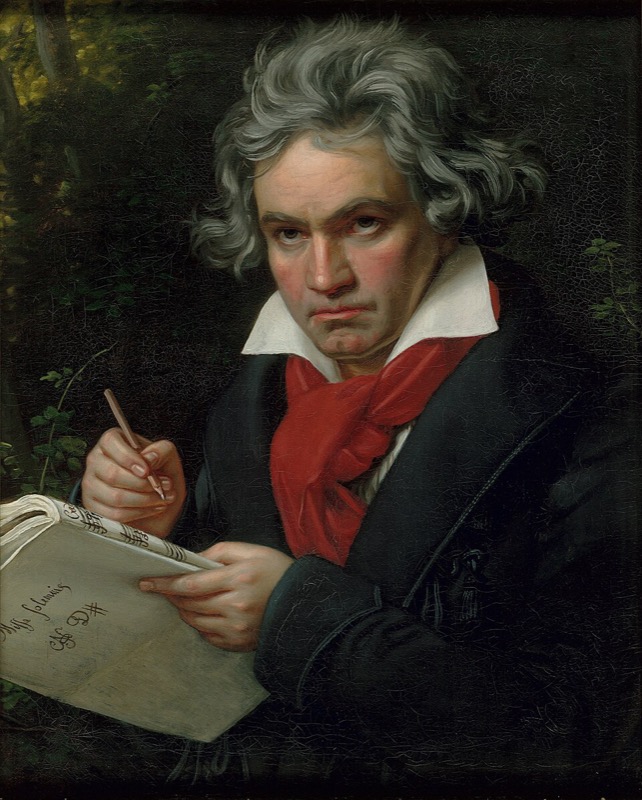
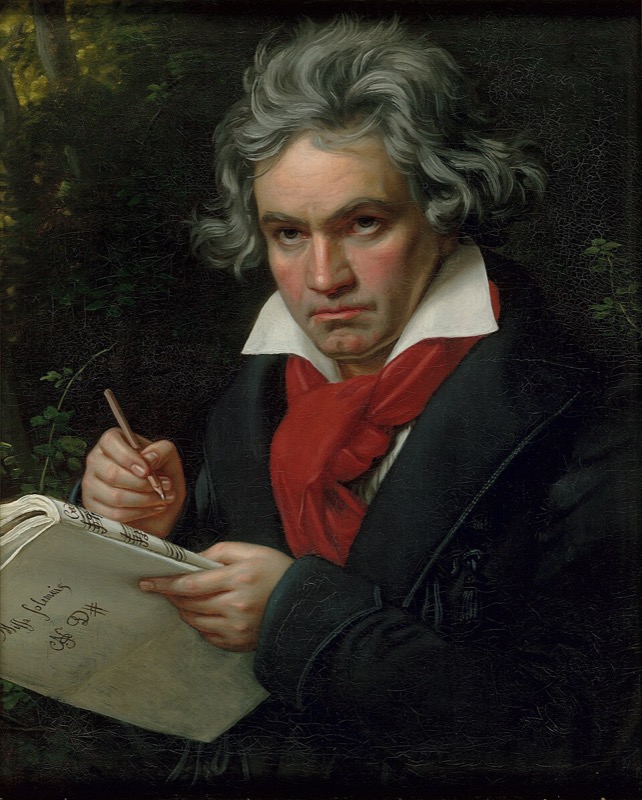
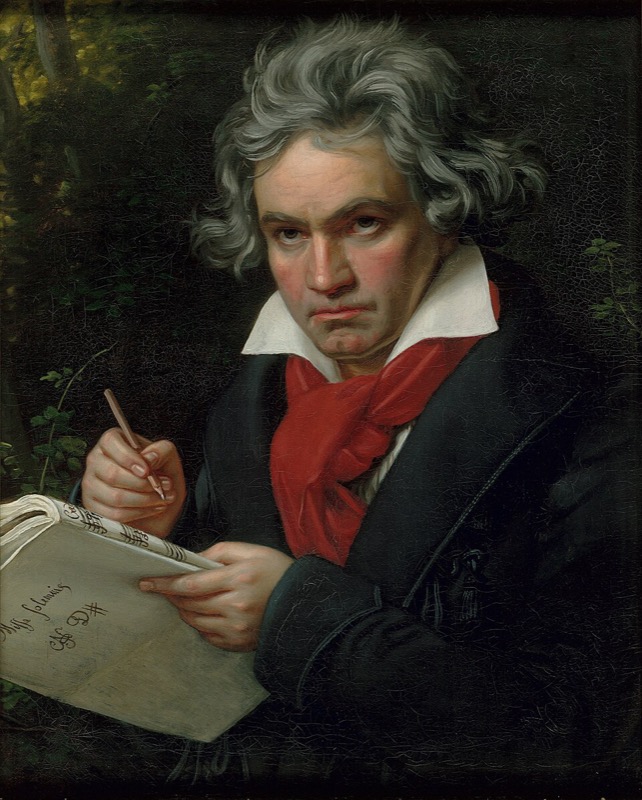
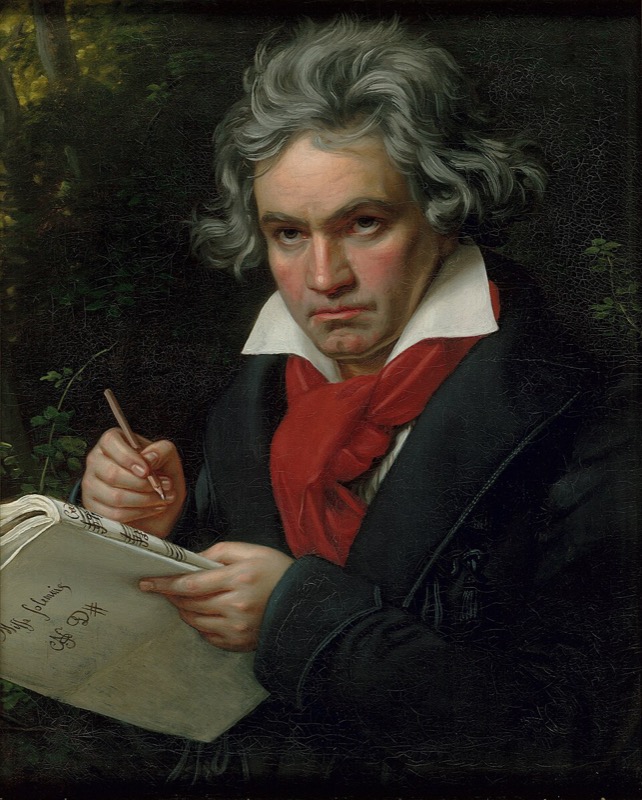
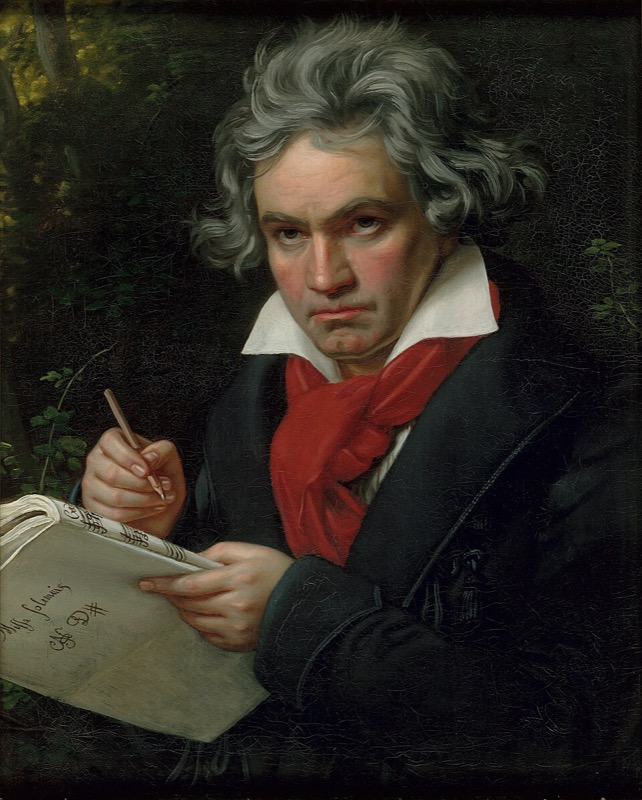
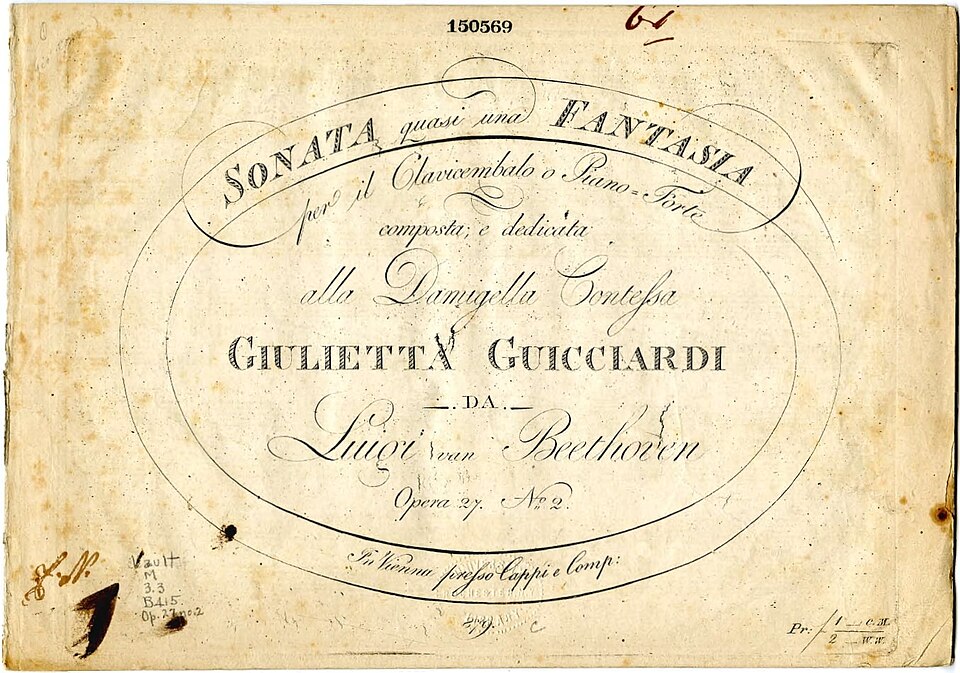
Beethoven completed the Sonata quasi una fantasia in C-sharp minor, Op. 27 No. 2, in 1801 and dedicated it to his student and romantic interest Giulietta Guicciardi. He published it the following year in Vienna with no suggestion of moonlight - the famous subtitle came from the poet Ludwig Rellstab, who in 1832, five years after Beethoven's death, wrote that the opening movement reminded him of moonlight on Lake Lucerne. The name stuck immediately and has been inseparable from the piece ever since, even though Beethoven's own title, quasi una fantasia, points toward something stranger and freer than scenic description.
The first movement is marked Adagio sostenuto and carries an explicit instruction: 'Si deve suonare tutto questo pezzo delicatissimamente e senza sordino' - the entire piece should be played with the utmost delicacy and without damper. At the time Beethoven wrote this, fortepianos had a much shallower, thinner sustain than modern concert grands; holding the damper pedal throughout created a gentle shimmer rather than the mud it would produce on a Steinway. The instruction asks the performer to blur the harmony slightly, letting the bass note and the melody share an atmosphere rather than insisting on clarity.
The structure is simple: a steady ostinato of triplet eighth notes in the right hand moves above a bass line in the left, while a slow melody sits in the inner voice - the exact inversion of what a student expects. Most listeners hear the triplets as the melody and miss the real one entirely on first hearing. That sleight of hand, where the accompaniment pretends to be the tune, is part of what gives the movement its hypnotic quality. Beethoven himself reportedly called the third movement - the thunderous finale - the truly important part of the sonata, and was puzzled by how much attention the quiet opening received.
Practice path
Settle the triplet before finding the melody.
The movement divides into three natural areas: the opening statement (roughly bars 1-28), a modulatory middle section that passes through C-sharp minor's relative keys, and a return. The triplet ostinato must be so comfortable that it recedes from attention entirely - only then can the inner melody and bass walk their separate paths without the hand fighting itself.
Practice the right-hand triplets alone at 50% tempo, keeping the wrist loose and the dynamic no louder than piano. Then add the left hand and listen for the bass note as the structural anchor, not the accompaniment. The real melody - the long slow notes sitting between the bass and the triplets - emerges last and should always be the quietest voice in the texture.
Score basis: Generated MusicXML from Mutopia MIDI. Public domain composition; CC BY-SA 2.5 Mutopia typesetting; prototype MusicXML generated for Pianodemy. Attribution: Mutopia Project, Mutopia-2007/02/11-276, Berners 1908 (ed. A. Winterberger).
MIDI source: Mutopia Project, Mutopia-2007/02/11-276. CC BY-SA 2.5 / Mutopia distribution.
How to use this V1
Let the triplet disappear before the melody enters.
Start the triplet pattern at 50% tempo and loop the opening eight bars until the motion feels effortless in the right hand. At 75%, bring in the left hand and focus on keeping the bass grounded without accenting it. Wait-for-note mode is useful for locating the inner melody notes precisely; Play-along mode at 70-80% restores the phrase shape once the voicing is clear. Change pedal with each new harmony, not each bar.
Keep going