Interactive piano piece
Learn Für Elise
Start with the famous opening theme and expand into the full piece section by section. A real score, a dark Pianodemy piano, playback controls, MIDI input, and a wait-for-note mode help the page behave more like a practice desk than a PDF.
Browser MIDI check pending
Loading score...
Press Play for the full piece, or choose Opening and switch to Wait for note for guided right-hand practice.
About the piece
A small bagatelle with a strange afterlife.
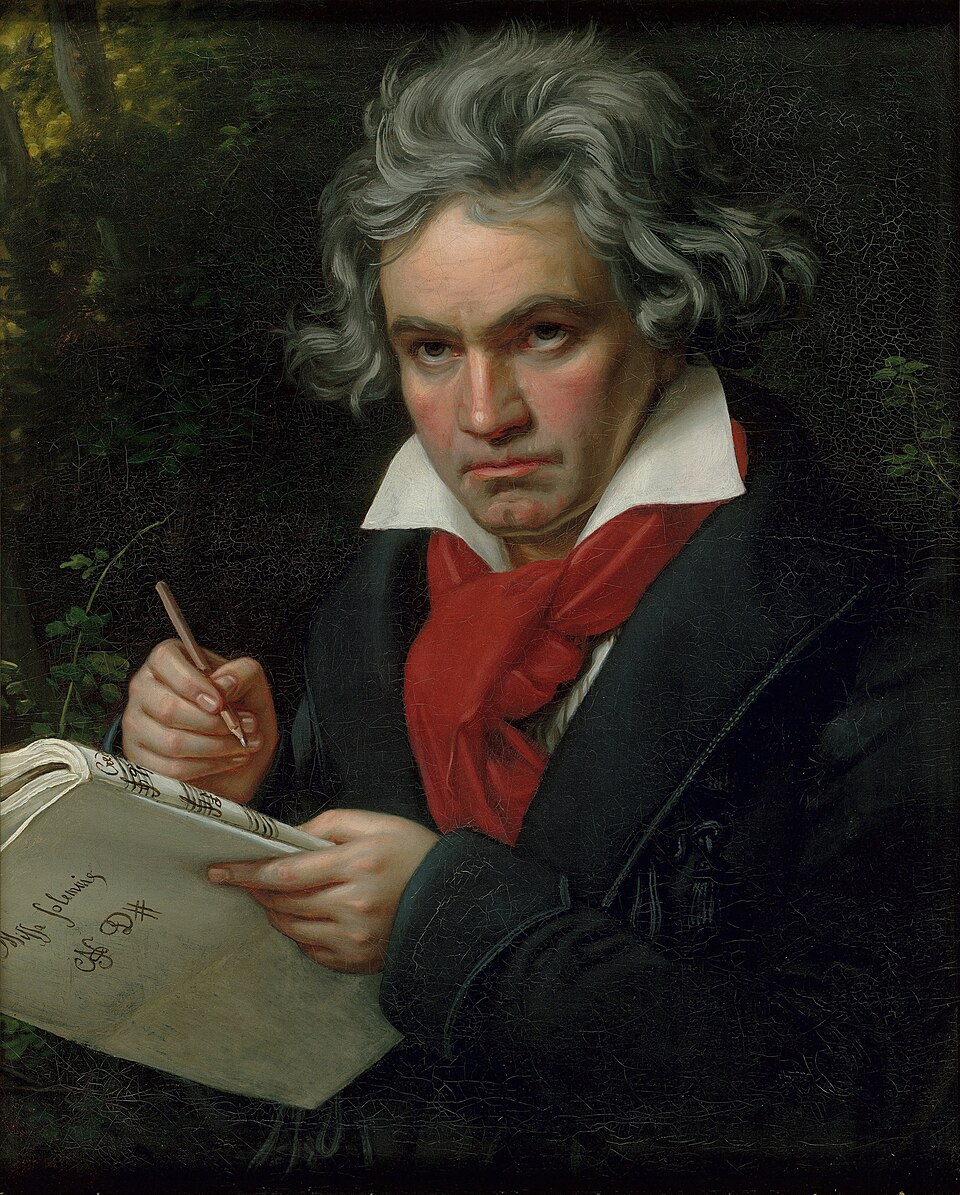
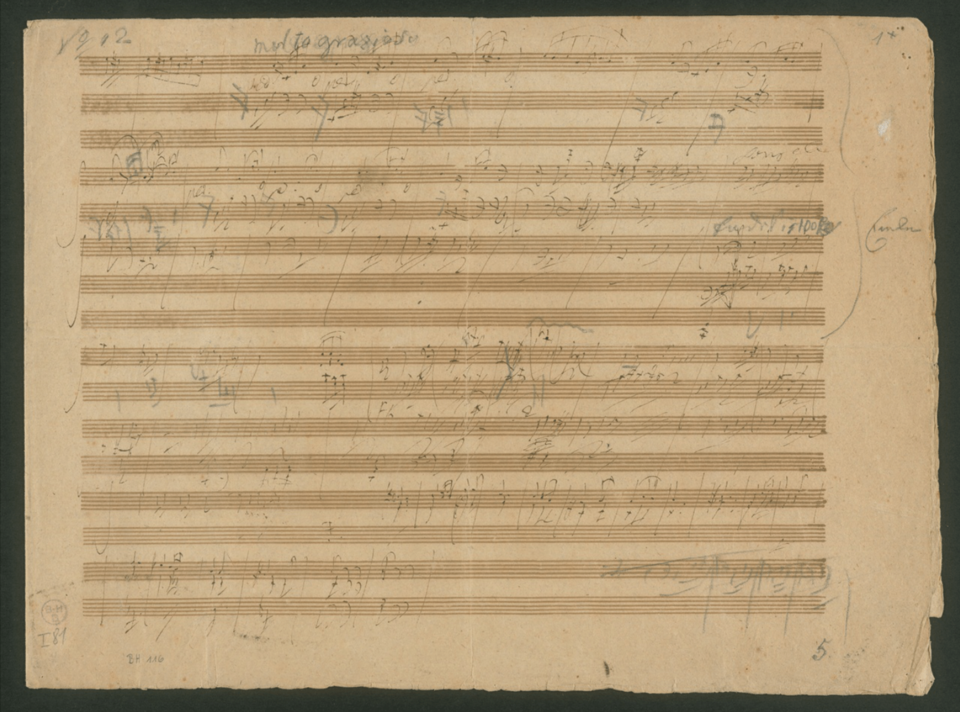
Beethoven wrote the piece around 1810, but it was not published until decades after his death. That delay is part of the fascination: the original autograph is lost, the identity of 'Elise' is still debated, and the first four bars somehow became a rite of passage for piano students everywhere.
The opening is friendly enough to begin, but it is not throwaway music. The little E to D-sharp turn asks for even fingers, patient timing, and a melody that sings instead of merely tapping correct notes.
Practice path
One section, then the next.
This page treats the piece like a lesson map rather than a PDF. The complete score is playable now: choose any section, slow the tempo, loop it, or restart from the selected range.
Wait-for-note is intentionally deeper only for the opening phrase in this V1. The rest of the piece already has navigation and playback, so the experience feels end-to-end while the practice intelligence grows section by section.
Score basis: Generated MusicXML from Mutopia MIDI. Public domain source; prototype MusicXML generated for Pianodemy. Attribution: Mutopia Project, Mutopia-2015/08/18-931, Breitkopf & Härtel 1888 source.
MIDI source: Mutopia Project, Mutopia-2015/08/18-931. Public domain / Mutopia distribution.
Questions
Before you practice.
Short answers for learners and for searchers deciding whether this is the right version to start with.
01Can I learn Für Elise here without a MIDI keyboard?
Yes. The on-screen piano is clickable, so you can try the guided opening even without hardware. A MIDI keyboard makes the practice feel closer to a real lesson.
02Does the page include the whole piece?
The full score is available for playback and section navigation. The deeper wait-for-note practice is currently focused on the opening phrase.
03What level is Für Elise?
The opening theme is approachable for late beginners, but the full piece moves into more intermediate coordination and tempo demands.
04What should I practice first?
Start with the right-hand E to D-sharp turn at 50% tempo. Once the motion feels even, add the rest of the opening phrase before speeding up.
How to use this V1
Make the opening reliable before adding more piece.
Use 50% tempo for the E-D-sharp turn, then 75% once the hand relaxes. Wait-for-note mode is there for precision; Play along is there for flow.
Keep going