Interactive piano piece
Learn Sonata Op. 49 No. 1 - Andante
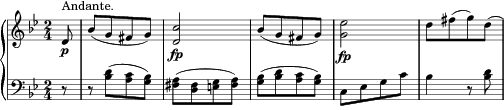
The gently flowing Andante that opens Beethoven's 'Leichte Sonate' Op. 49 No. 1 - a singing G minor movement with warm Romantic leanings and approachable textures. The interactive score with section loops and tempo control is especially helpful for the cantabile opening theme - a melody that must sing over its own accompaniment without rushing.
Browser MIDI check pending
Loading score...
Press Play for the full piece, or choose Opening and switch to Wait for note for guided right-hand practice.
About the piece
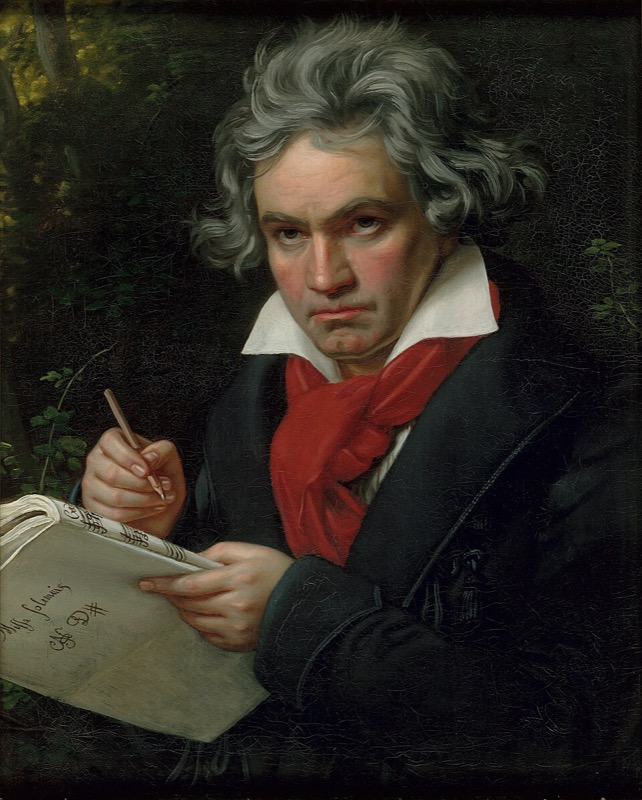
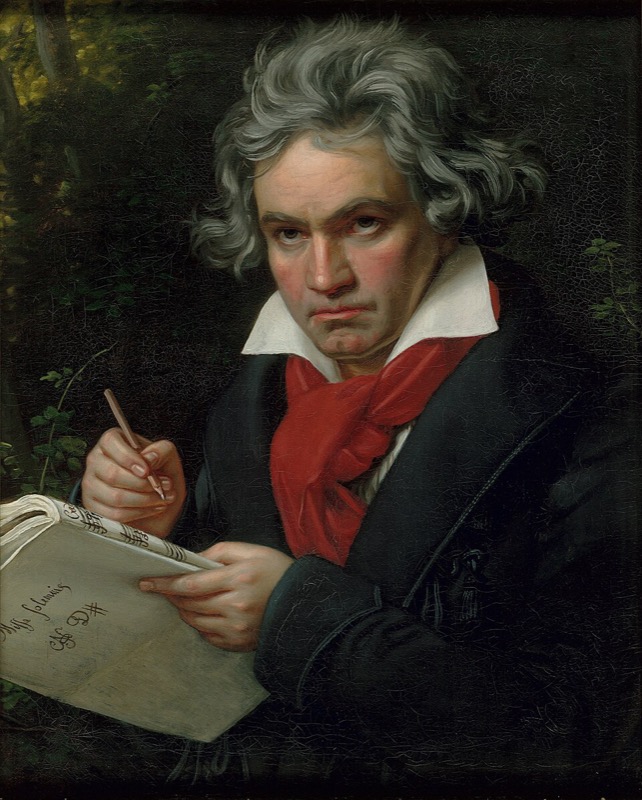
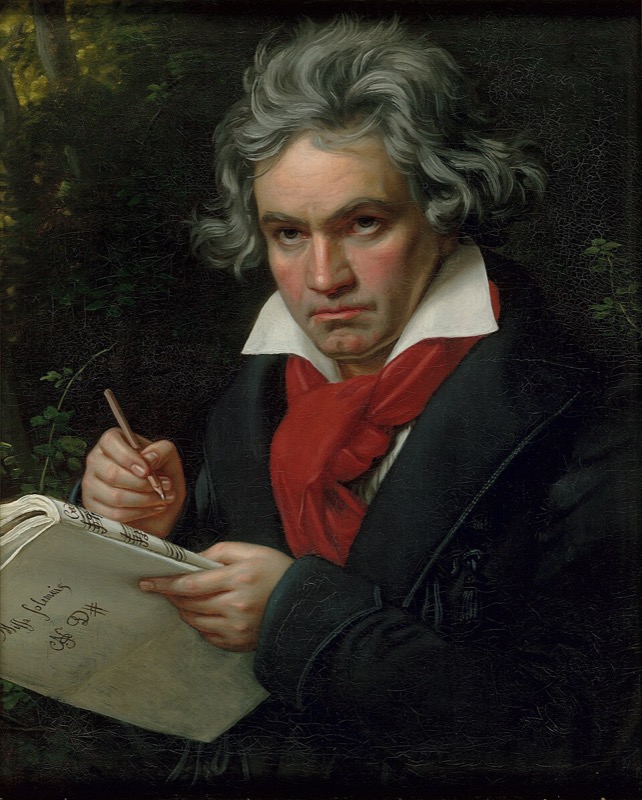
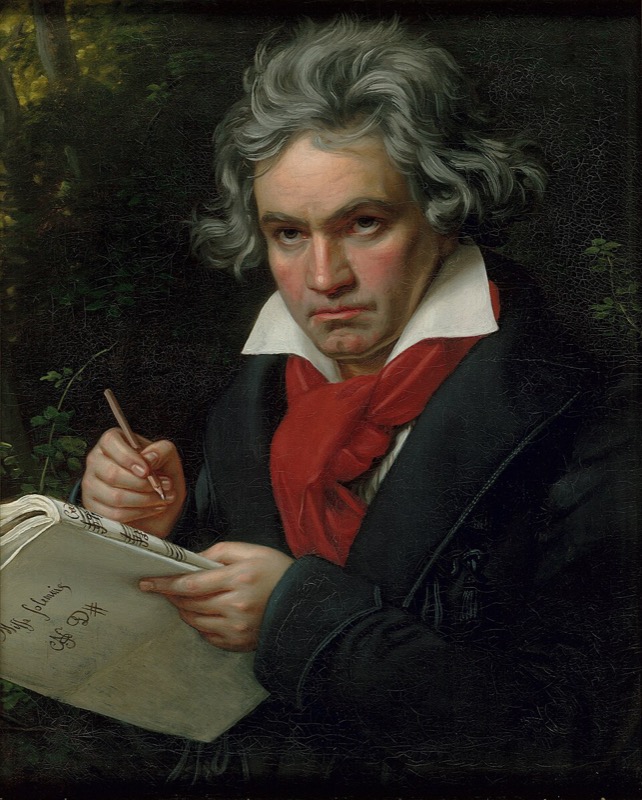
The quiet sonata Beethoven never planned to publish.
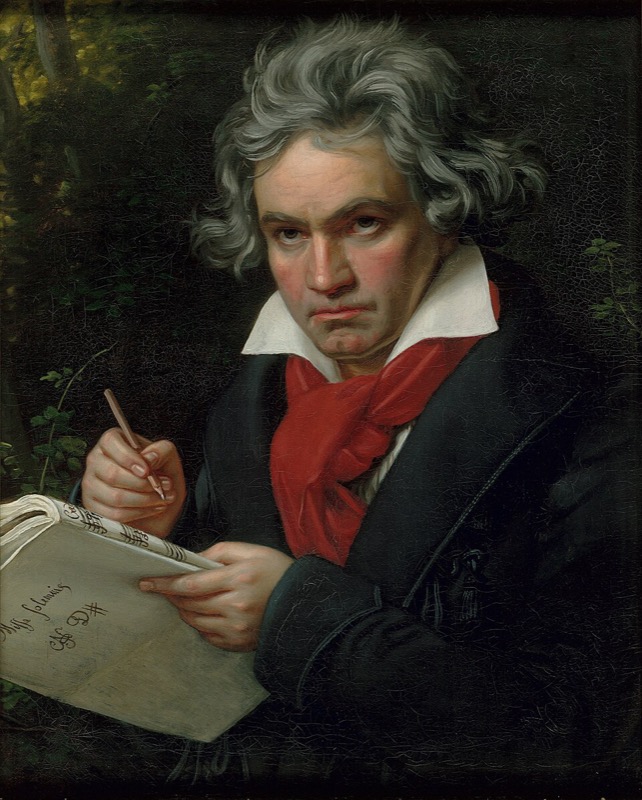
Beethoven composed the two Sonatas Op. 49 around 1797, when he was still building his reputation in Vienna as a virtuoso and teacher. He set them aside without publication - it was his brother Caspar who sent them to a Leipzig publisher in 1805, without Beethoven's knowledge. By then Beethoven had already written far more ambitious works, and he regarded these two pieces as merely private exercises. The Andante of No. 1 reveals his gift for sustained, song-like melody at its most unguarded.
The movement is in G minor and cast in a loose sonata form, but its emotional world is intimate rather than dramatic. The opening theme is a long-breathed cantabile line - unusual for Beethoven, who more often argued with his material than caressed it. The secondary theme brightens briefly to B-flat major before the development, which is modest and quickly resolved. The result is a movement that feels like a private conversation rather than a public statement.
Practice path
Sustain the cantabile line above the left-hand accompaniment.
The opening theme requires the right hand to carry a genuine legato melody while the left hand provides a steady but unobtrusive accompaniment. Practice the right hand alone at 70% tempo until the phrase breathes as one continuous line, then add the left hand at a lower dynamic. The transition to the B-flat major theme should feel like a change of light rather than a change of tempo. Loop the development at 65% to ensure the voice leading stays clear before returning to full tempo.
Score basis: Generated MusicXML from Mutopia MIDI. Public domain composition; Public Domain; MusicXML generated for Pianodemy. Attribution: Mutopia Project (https://www.mutopiaproject.org/ftp/BeethovenLv/O49/LVB_Sonate_49no1_1/).
MIDI source: Mutopia Project (https://www.mutopiaproject.org/ftp/BeethovenLv/O49/LVB_Sonate_49no1_1/). Public Domain.
Questions
Before you practice.
Short answers for learners and for searchers deciding whether this is the right version to start with.
01What does 'Leichte Sonate' mean?
'Leichte Sonate' is German for 'Easy Sonata.' Beethoven wrote Op. 49 No. 1 and No. 2 as teaching pieces, though both offer real musical depth beyond simple finger exercises.
02How hard is Beethoven Op. 49 No. 1 first movement?
It sits at early-intermediate level. The note-reading and hand coordination are accessible, but the expressive shaping, ornaments, and evenness of tone require focused practice.
How to use this V1
Melody over accompaniment is the central challenge.
At 60% tempo, check that each note of the right-hand theme connects to the next without a gap. The left hand should be noticeably softer at all times - if it feels too quiet in isolation, it is probably the right balance when both hands play. At 80%, the development's modulations can feel hurried; slow them down specifically and let each harmonic shift settle before moving on. The recapitulation in G minor should have the same warmth as the opening, not more weight.
Keep going