Interactive piano piece
Learn Sonatine Op. 20 No. 1, I. Allegro
An energetic first movement that teaches classical scale fluency and balanced two-hand coordination. The interactive practice desk loads the full Allegro with playback, section loops, and tempo scaling - exactly suited to drilling the two-theme exposition and the brief but harmonically active development.
Browser MIDI check pending
Loading score...
Press Play for the full piece, or choose Opening and switch to Wait for note for guided right-hand practice.
About the piece
The sonatina Kuhlau wrote when Beethoven was at his peak.
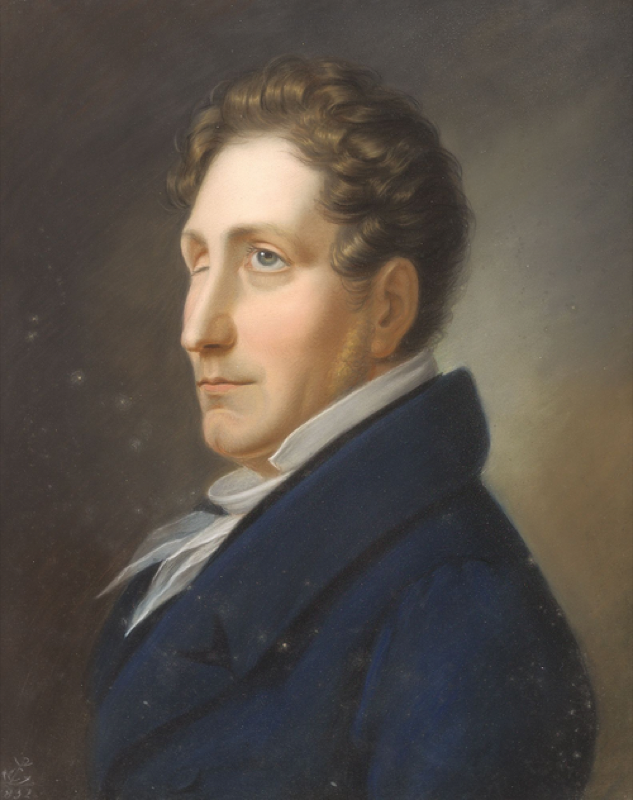
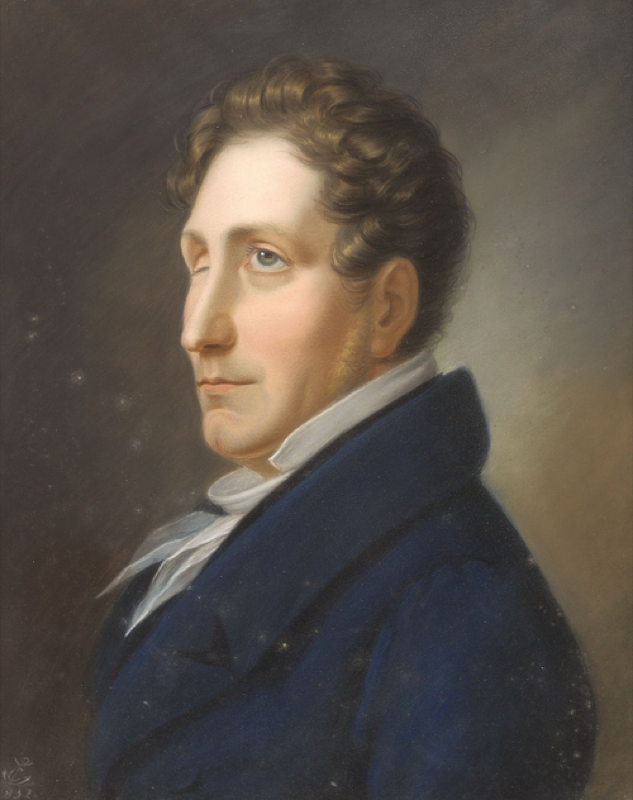
Friedrich Kuhlau (1786-1832) was a German-born composer who settled in Copenhagen in 1813 and became one of Denmark's most celebrated musicians, known primarily for his flute music and his opera Lulu. His piano sonatinas, published in the 1820s, were composed during the decade when Beethoven was producing his late string quartets - a fact that underscores how different Kuhlau's aims were. He was writing accessible, structurally clear pieces for developing pianists, not extending the boundaries of the form.
The Sonatine in C major, Op. 20 No. 1, is his most widely taught work. The first movement, Allegro, is a textbook sonata-form exposition with two contrasting themes, a compact development that steers through G major and D minor, and a recapitulation that restores both themes to C major. It is structured to teach: every formal section is clearly demarcated, every transition is predictable, and both themes have a singable character that makes them easy to memorise and shape expressively.

Practice path
Treat the two themes as two characters in a conversation.
The first theme in C major is energetic and direct; the second theme in G major is smoother and more lyrical. Before working the movement as a whole, establish each theme's distinct character separately. The development is brief but requires tracking a harmonic sequence; loop it at 65% until the chord changes feel anticipated rather than encountered. The recapitulation should feel like resolution - both themes returning home, the second now in C major.
Score basis: Generated MusicXML from Mutopia MIDI. Public domain composition; Public Domain (CC0) - Mutopia; MusicXML generated for Pianodemy. Attribution: Mutopia Project (https://www.mutopiaproject.org/cgibin/piece-info.cgi?id=232).
MIDI source: Mutopia Project (https://www.mutopiaproject.org/cgibin/piece-info.cgi?id=232). Public Domain (CC0) - Mutopia.
Questions
Before you practice.
Short answers for learners and for searchers deciding whether this is the right version to start with.
01Is Kuhlau Sonatine Op. 20 No. 1 good for beginners?
Yes, it is designed as an early-intermediate teaching piece. The scale runs are manageable and the textures are clear, though the full Allegro needs steady hands and clean scale fluency before it sits comfortably at tempo.
02How does Kuhlau compare to Clementi sonatinas?
Both use similar Classical-era textures, but Kuhlau's writing tends to be a little more singing and lyrical. The Op. 20 sonatinas are a natural step after Clementi's Op. 36.
03What should I focus on first in this Allegro?
Start by drilling the right-hand scale passages hands-separately at a slow tempo. Once those feel even and relaxed, add the left hand and only then begin building speed.
How to use this V1
Clarity in the development is the one non-negotiable.
The exposition almost plays itself once the themes are solid. The development is where sonatina players most often lose their harmonic bearings. At 60%, right hand alone through the development, following each chord change. At 75%, add the left hand and ensure the bass is outlining the harmonic movement clearly. Once the development is stable, run the complete movement at 85% to confirm that the formal joints - the transition into the development and the moment the recapitulation arrives - feel structurally clear.
Keep going