Interactive piano piece
Learn Volkslied
A folk-song-like Songs Without Words with a broad, sustained melody and a flowing accompaniment that keeps the harmony moving under it. The interactive desk loads the A minor folk-song score and lets you loop any phrase at half tempo to nail the deceptively simple melody before tackling the fuller accompaniment texture.
Browser MIDI check pending
Loading score...
Press Play for the full piece, or choose Opening and switch to Wait for note for guided right-hand practice.
About the piece
A folk song that never was - but feels like it always existed.
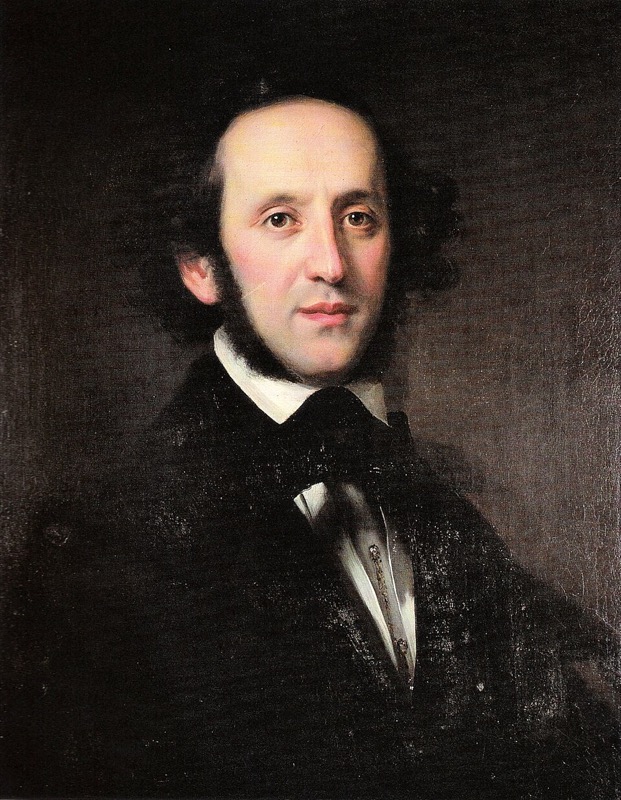
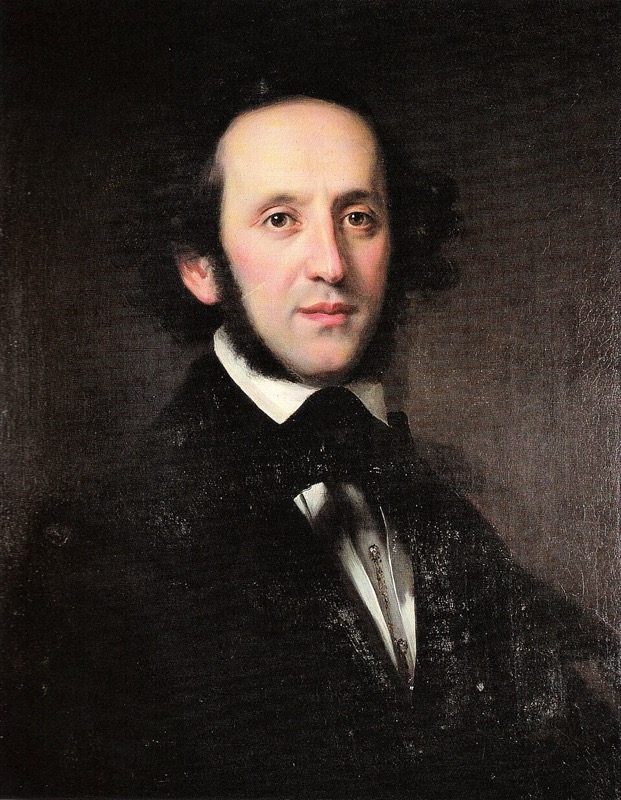
Op. 53 No. 5, titled 'Volkslied' (Folk Song), appeared in Mendelssohn's fifth book of Songs Without Words, published posthumously in 1850. The title is deliberate: Mendelssohn wanted the melody to feel like something passed down through generations rather than composed at a desk. The piece is in A minor, moves at a moderate walking pace, and has the rhythmic simplicity and stepwise melody of a genuine German folk tune - yet it is entirely his own invention.
By the time Op. 53 was compiled, Mendelssohn was near the end of his short life; he died in 1847 at thirty-eight. The Songs Without Words had become enormously popular across Europe, widely played in domestic parlours by amateur pianists, and 'Volkslied' typifies what made them successful: the melody is singable, the accompaniment is idiomatic, and the emotional content is universal. The piece carries a quiet dignity that distinguishes it from mere salon entertainment.

Practice path
Sing the folk tune, then add the harmony.
The melody should be learned first as a pure song - sing it aloud or hum it while playing only the right hand, so the phrasing feels vocal rather than keyboard-mechanical. The accompaniment is supportive rather than independent, so once the right hand is fluent the left hand falls into place naturally. Focus practice time on the middle section where the harmony moves through related minor keys before settling back into A minor for the reprise.
Score basis: Generated MusicXML from Mutopia MIDI. Public domain composition; Public Domain; MusicXML generated for Pianodemy. Attribution: Mutopia Project (https://www.mutopiaproject.org/ftp/Mendelssohn-BartholdyF/O53/SongWW_opus53no5/).
MIDI source: Mutopia Project (https://www.mutopiaproject.org/ftp/Mendelssohn-BartholdyF/O53/SongWW_opus53no5/). Public Domain.
Questions
Before you practice.
Short answers for learners and for searchers deciding whether this is the right version to start with.
01Is Mendelssohn's Volkslied Op. 53 No. 5 good for intermediate players?
Yes. The melody is accessible and the texture is clear, but sustaining the lyrical line and balancing the two hands across 84 bars requires genuine intermediate control.
02What does Volkslied mean?
Volkslied is German for folk song. Mendelssohn uses it to describe a melody with a plain, song-like character, though the accompaniment and harmonic progression are more sophisticated than the title suggests.
How to use this V1
Simplicity is the point - do not over-ornament.
The 'folk' character depends on directness: avoid excessive rubato or dynamic swings that would turn the piece into a dramatic statement. A gentle, consistent singing tone in the right hand and a soft, steady accompaniment will capture Mendelssohn's intent. Loop the final four measures to ensure the ending fades naturally rather than simply stopping.
Keep going