Interactive piano piece
Learn Minuet in G major
A short beginner classic for two-hand coordination, repeats, and phrase shape. The Pianodemy practice desk gives you a playable score, section loops, and a clickable keyboard so you can build the dance character of the right hand before adding the left.
Browser MIDI check pending
Loading score...
Press Play for the full piece, or choose Opening and switch to Wait for note for guided right-hand practice.
About the piece
A famous misattribution and a better story underneath.
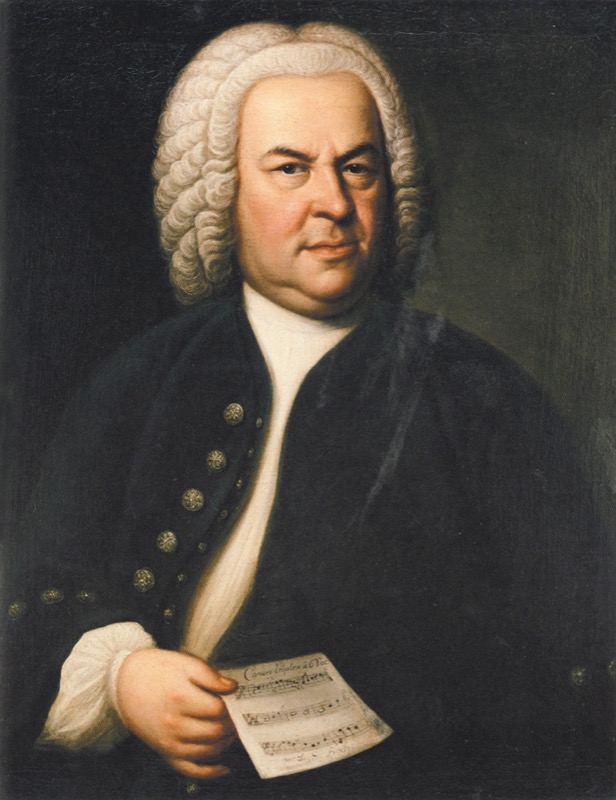
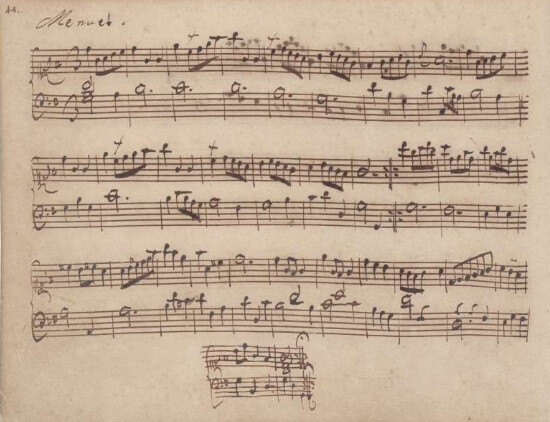
For most of the twentieth century this minuet was listed as BWV Anh. 114 in the Bach catalogue and credited to Johann Sebastian himself, because it appears in the Notebook for Anna Magdalena Bach - a collection of keyboard pieces that Anna Magdalena copied out around 1725 for her own practice. In 1970, musicologist Hans-Joachim Schulze traced the piece to a now-lost set of keyboard suites by Christian Petzold, a Dresden court organist who was well-known in his time and then almost entirely forgotten.
The misattribution lasted because the notebook's handwriting is Anna Magdalena's, not Petzold's, and because no other source was known. When the attribution changed, Petzold went from obscurity to the composer of one of the most played pieces in the piano repertoire overnight - a strange kind of posthumous fame.
The piece itself is a textbook Baroque minuet: eight-bar phrases in binary form, a singing right-hand melody in G major, and a left hand that marks the beat without cluttering the texture. Its elegance is exactly the kind that gets mistaken for simplicity until you try to make it dance.
Practice path
Phrase first, then the dance.
The right hand carries all the melody and needs to sing. Work the A section at 60% tempo with the loop until the long notes at the end of each phrase feel supported rather than dropped. Then add the left hand and let the bass quarter-note pulse give the right hand something to push against.
The B section introduces a small ornamental figure and a brief move to D major before returning home. Loop the turn at the halfway point until it feels like a rhetorical pause, not a stumble.
Score basis: Generated MusicXML from Mutopia MIDI and LilyPond source context. Public domain source; prototype MusicXML generated for Pianodemy. Attribution: Mutopia Project, Mutopia-2017/01/19-75, Bach-Gesellschaft source.
MIDI source: Mutopia Project, Mutopia-2017/01/19-75. Public domain / Mutopia distribution.
How to use this V1
Dance character comes from rhythm, not speed.
Use 50% tempo to build phrase shapes, 75% to find the lift between beats that makes the minuet feel like a dance rather than a march. The loop button is most useful for the ornamental turn in the B section and for the final cadence, which needs a slight tenuto on the last right-hand note to feel conclusive.