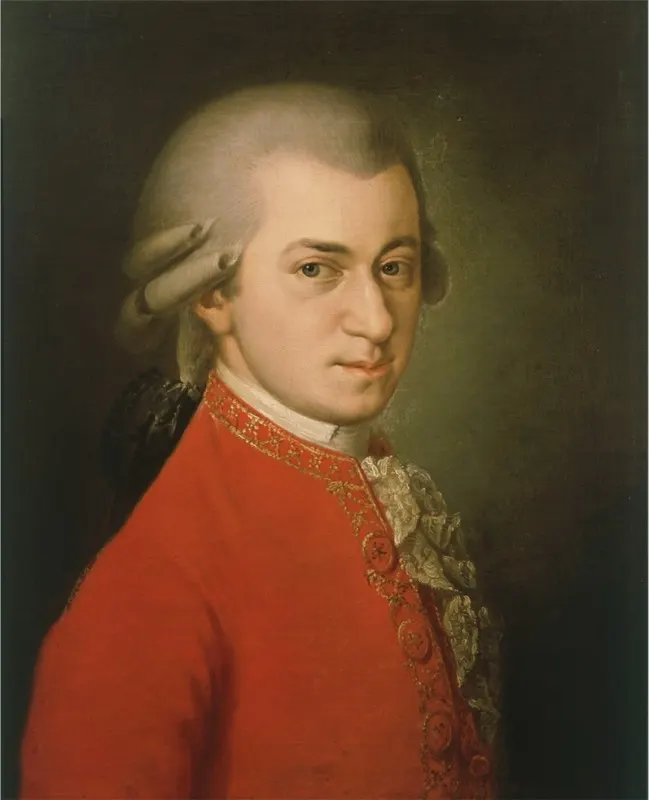
Sonata KV 331 - Tema (Theme)
The theme that launched six variations and a Turkish march.
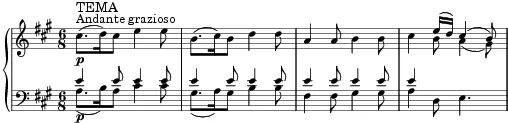
Piano Sonata No. 11 in A major, KV 331, is unusual among Mozart's piano sonatas: instead of the conventional fast-slow-fast movement scheme, it opens with a theme and variations, continues with a minuet, and closes with the famous Rondo alla Turca - the Turkish March. The opening theme, marked Andante grazioso, is one of Mozart's most purely beautiful melodies: a two-part song in 6/8, perfectly symmetrical, ornate but never fussy.
Mozart composed the sonata around 1783, probably in Vienna or Salzburg; the exact date and circumstances remain uncertain. The theme's elegant simplicity is deceptive - it provides the harmonic and melodic material that the six subsequent variations will stretch, invert, and transform. Playing the Tema is thus both a piece in its own right and an entry point into understanding how Mozart thinks about variation.
Sing the melody before playing it.
Mozart's 6/8 themes reward singing-at-the-instrument practice: hum or sing the melody first to understand the phrase shapes and breathing points, then transfer that line to the keys. The ornaments - mordents, trills - should feel like natural extensions of the vocal line, not decorations laid on top.
Before you practice.
01 Is the KV 331 Theme suitable for beginners?
The theme is accessible for late-beginner to early-intermediate students. The notes are comfortable and the tempo is slow, but clean ornaments and cantabile tone require focused practice.
02 What comes after the theme in KV 331?
The theme is followed by six variations, then a Menuetto, and finally the famous Rondo alla Turca (Turkish March). Learning the theme first gives you the harmonic and melodic blueprint for all the variations.
Grazioso means graceful, not careful.
At 70% tempo, play the right hand alone and shape each phrase with a singing tone - let the ends of phrases diminish naturally. At 90%, add the left hand and use wait-for-note mode to keep the 6/8 rhythm from tightening into 2/4. The theme should feel light and inevitable, as if it always existed and Mozart simply discovered it.