Interactive piano piece
Learn Little Piece, Op. 68 No. 5
A compact two-hand miniature that gives early beginners their first real exercise in balancing melody and accompaniment together. Loop the eight-bar sections individually so each phrase settles in the hand before you connect them into the full miniature.
Browser MIDI check pending
Loading score...
Press Play for the full piece, or choose Opening and switch to Wait for note for guided right-hand practice.
About the piece
Small but complete.
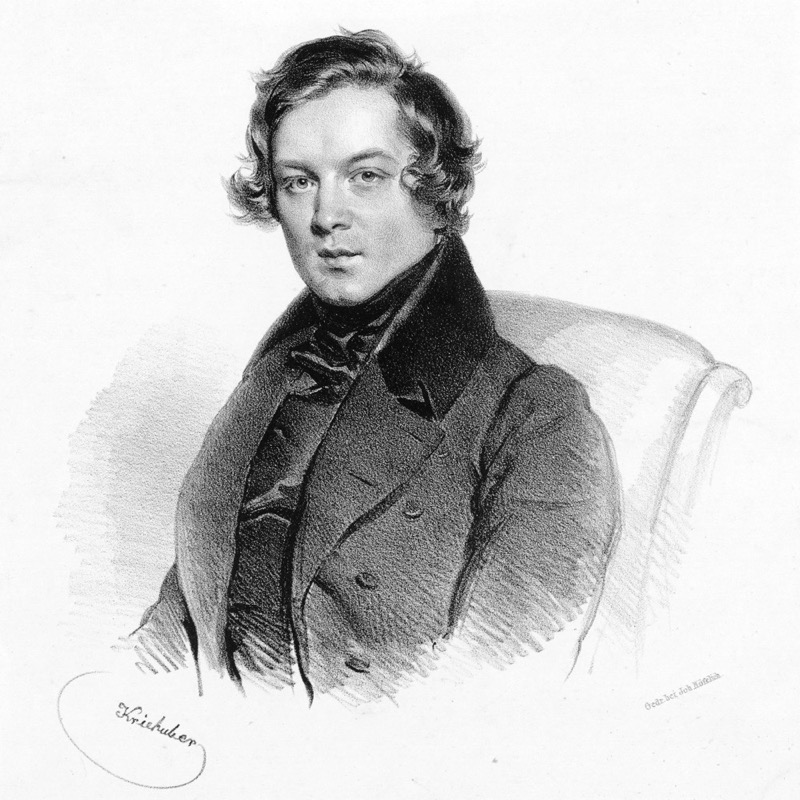
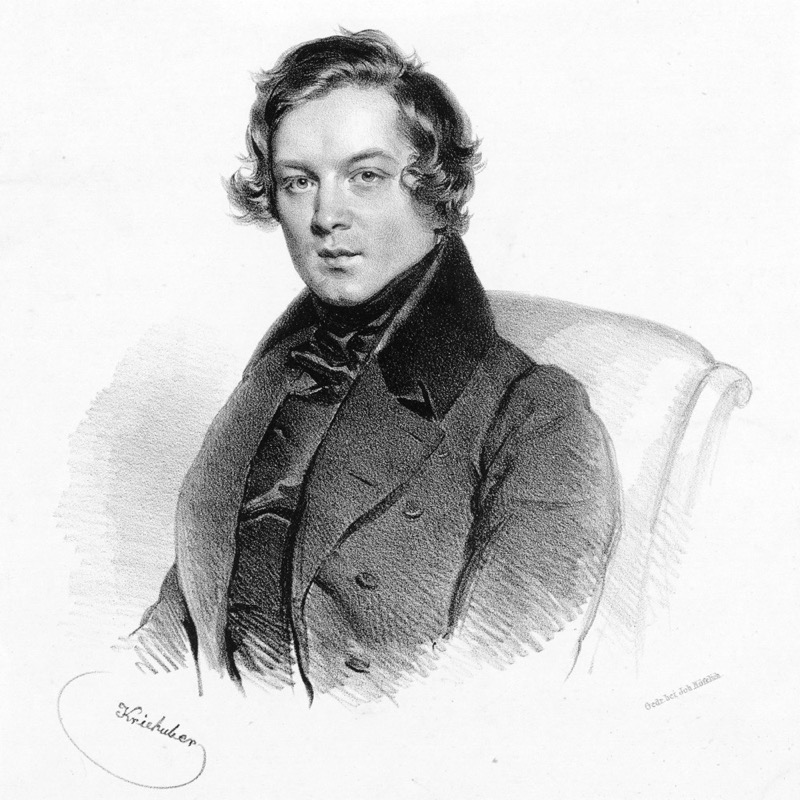
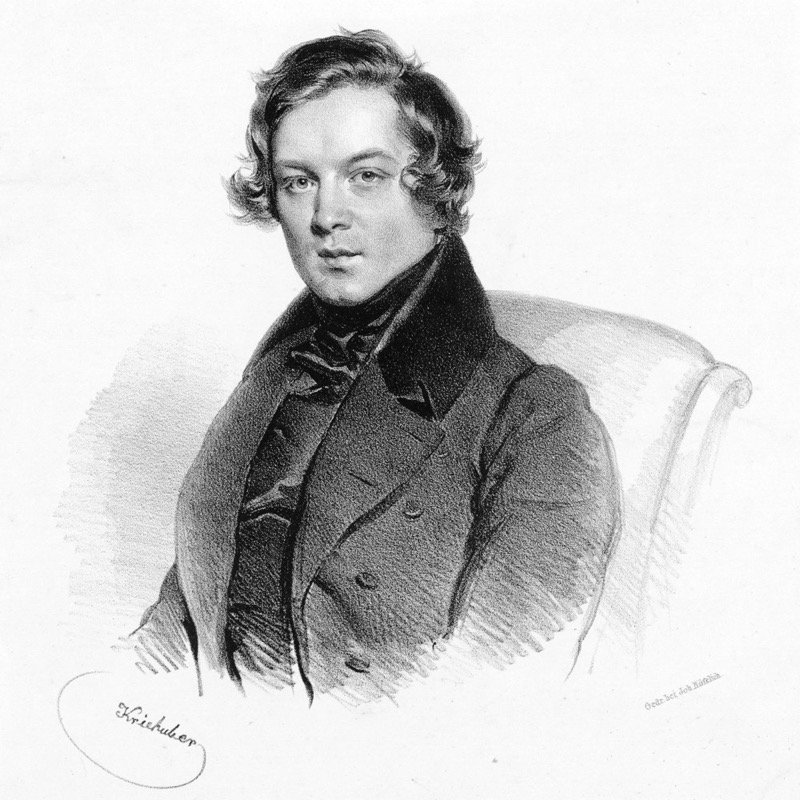
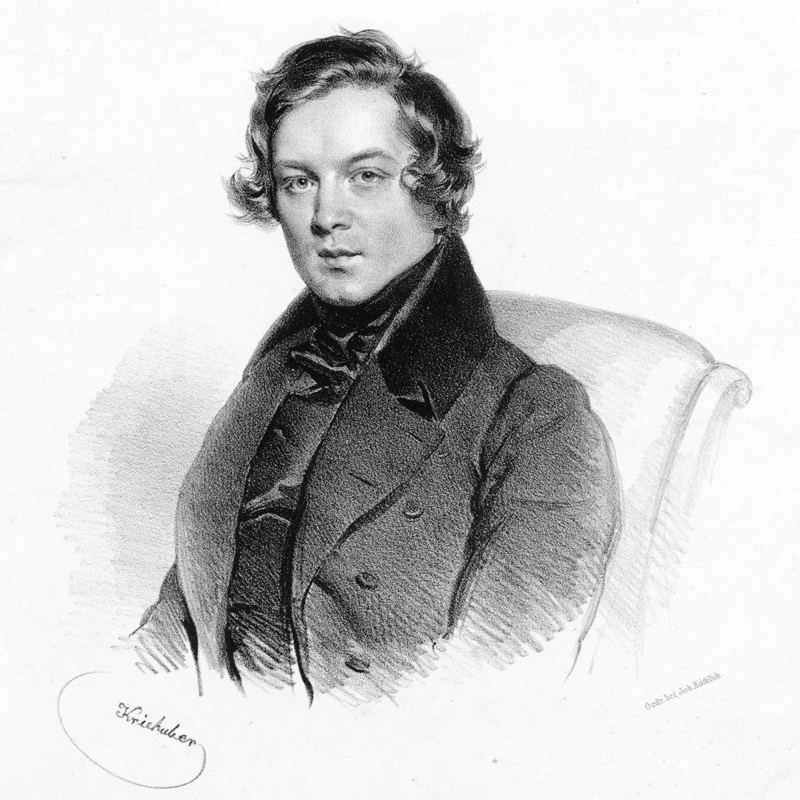
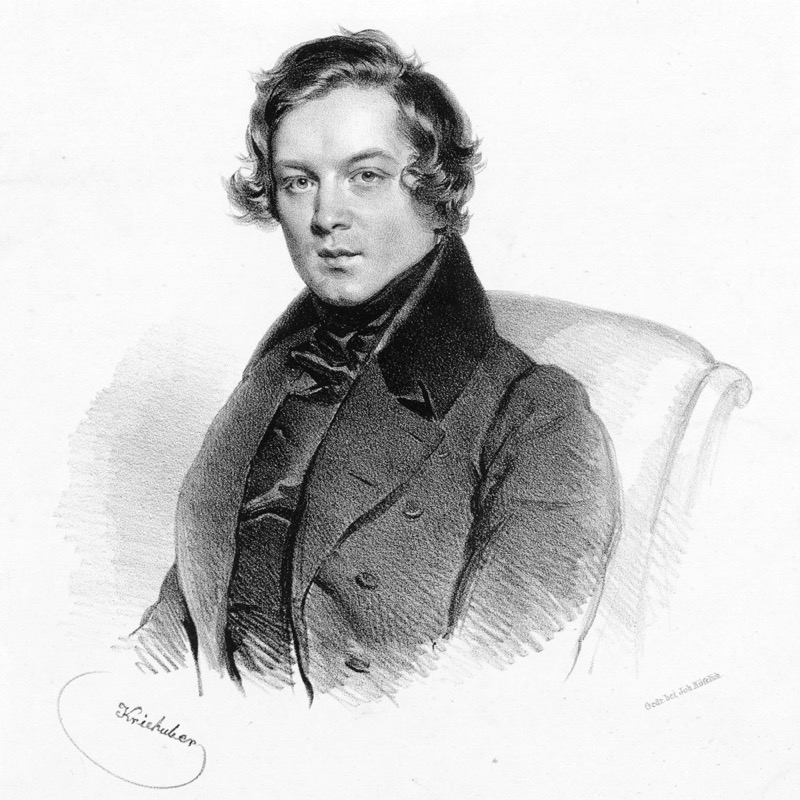
Schumann composed Album for the Young (Op. 68) in 1848, filling it with forty-three pieces arranged from simple to sophisticated. The first half targets younger beginners; the second makes demands on more advanced students. Schumann believed each piece - however brief - should be a finished, satisfying world of its own.
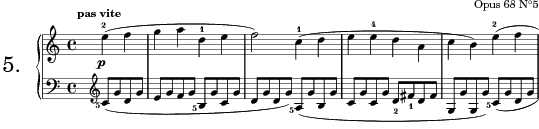
Little Piece (Stückchen) lives up to its title: it is short, unpretentious, and entirely musical. In C major with a lilting triple meter, the melody moves in neat two-bar phrases that balance question and answer. It is the kind of piece that sounds easy and feels easy, and yet demands real attention to tone and phrasing if it is to mean anything more than correct notes.
Practice path
Two-bar phrases, one conversation.
Identify the question phrase and the answer phrase in the right hand, then practice each separately before joining them. The piece lives in the dialogue between those two ideas - making that contrast audible is the whole musical goal.
Score basis: Generated MusicXML from Mutopia MIDI. Public domain composition; CC BY-SA 2.5; MusicXML generated for Pianodemy. Attribution: Mutopia Project (https://www.mutopiaproject.org/cgibin/piece-info.cgi?id=653).
MIDI source: Mutopia Project (https://www.mutopiaproject.org/cgibin/piece-info.cgi?id=653). CC BY-SA 2.5.
Questions
Before you practice.
Short answers for learners and for searchers deciding whether this is the right version to start with.
01What makes Schumann's Little Piece Op. 68 No. 5 a good beginner piece?
Its brevity and clear melodic line make it easy to memorize and repeat. The left hand provides simple, predictable support, so the student can focus entirely on bringing out the melody.
02How is this piece different from Melody No. 1 in the same collection?
While Melody No. 1 is almost entirely about a singing legato line, Little Piece No. 5 introduces more active two-hand interplay, giving beginners a small step up in coordination.
03Can I use this piece for a first recital?
Yes, its short length and tidy ending make it a confident choice for a first performance. It sounds polished quickly once both hands are secure.
How to use this V1
Shape the two-bar dialogue.
Use loop mode to isolate and polish each two-bar phrase before chaining them. At slow tempo check that the phrase endings release naturally rather than cutting off abruptly. The piece is short enough that a single focused run-through at 60% tempo often reveals the phrasing more clearly than many repetitions at full speed.
Keep going