Étude in C minor "Revolutionary"
About this arrangement
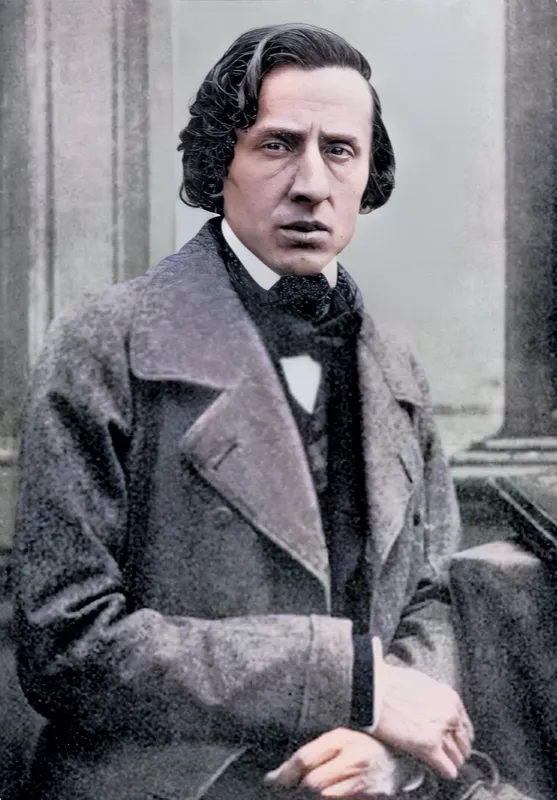
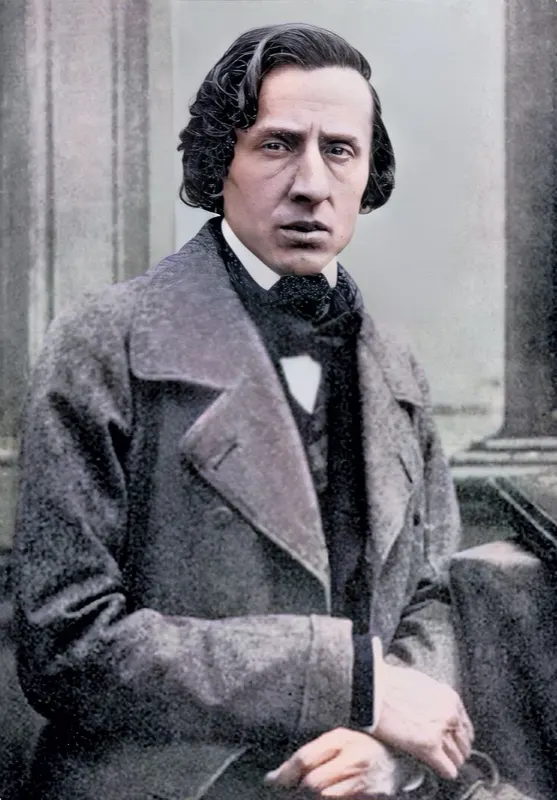
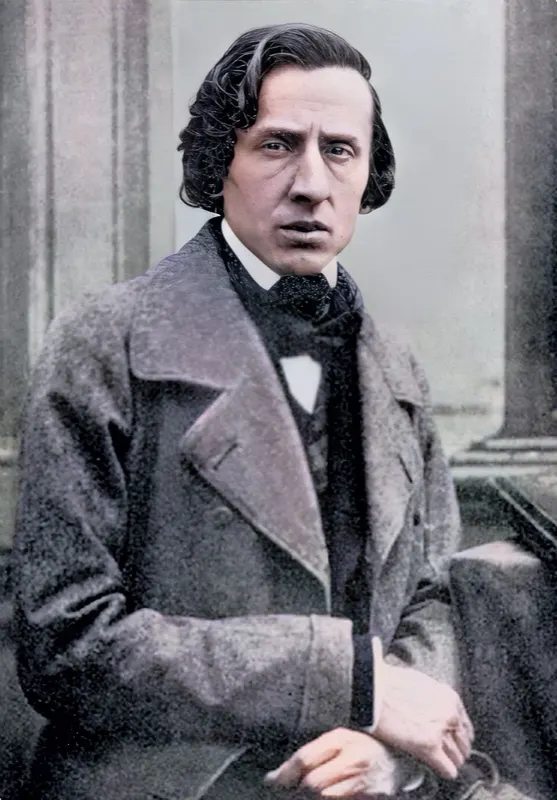
Chopin wrote it around 1831, and it's the last of the Op. 10 études, which he dedicated to his friend Franz Liszt. It's often linked to the fall of Warsaw during the November Uprising of 1831.
This is a left-hand study, so most of your time goes there. Loop short runs of the left hand alone at 50% tempo, keeping the thumb light, and add the right hand only when the runs are even.
Start with short loops.
Use the section list as a practice map. Start at 50% tempo, loop one section, then return to the full piece once the hand shape feels stable.
Choose Right or Left to focus on one hand. Wait for note checks the highlighted notes as you play them on the screen or a connected MIDI keyboard.
Before you practice.
01 How hard is the Revolutionary Étude?
It's advanced. The left hand plays fast sixteenth notes almost the whole way, and the right hand needs strong octaves on top.
02 How long is Op. 10 No. 12?
Our edition has 84 bars in 4/4.
03 What should I practise first?
The opening left-hand run, alone and slowly. Once it's clean, work through the left-hand patterns of the main theme before adding the right hand.
04 Why is it called the Revolutionary Étude?
The nickname comes from the story that Chopin wrote it after hearing that Warsaw had fallen to Russia in 1831.