Interactive piano piece
Learn 160 Eight-Measure Exercises No. 1, Op. 821
An eight-measure Allegro in C major that launches Czerny's 160-exercise set with clean scalar runs and staccato precision across both hands. The interactive desk's tempo slider and section loop are ideal for isolating the exact bar where a scalar run loses evenness - the core challenge of this opening exercise.
Browser MIDI check pending
Loading score...
Press Play for the full piece, or choose Opening and switch to Wait for note for guided right-hand practice.
About the piece
One hundred and sixty drills, eight measures each - and this is where they begin.
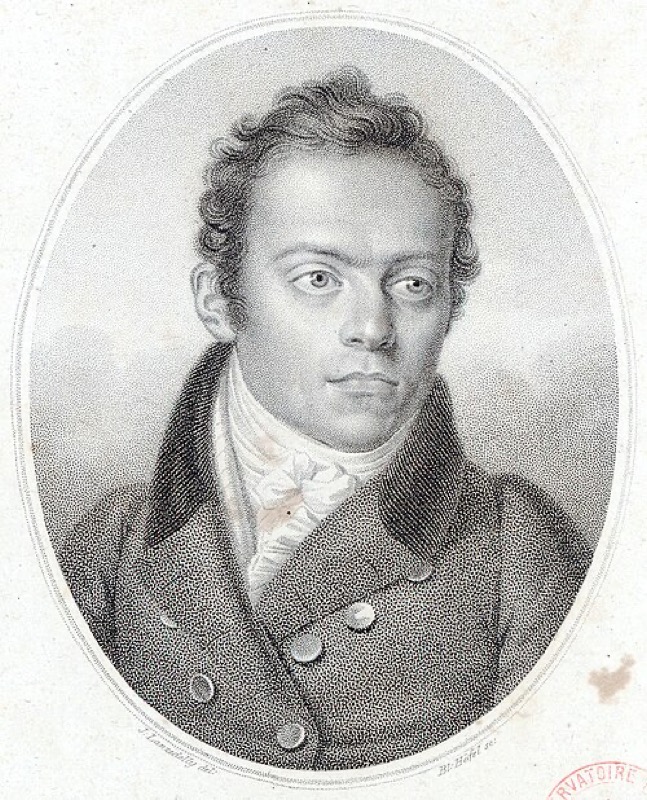
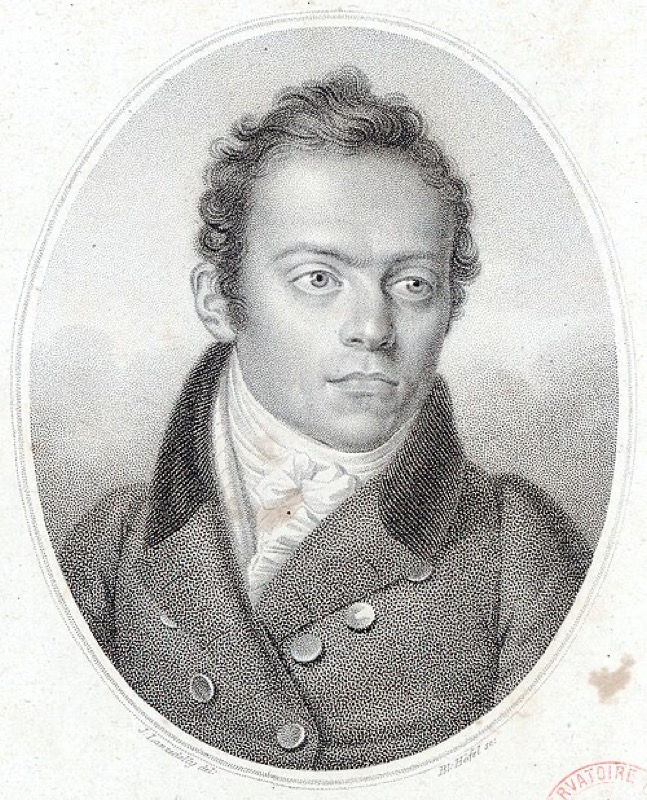
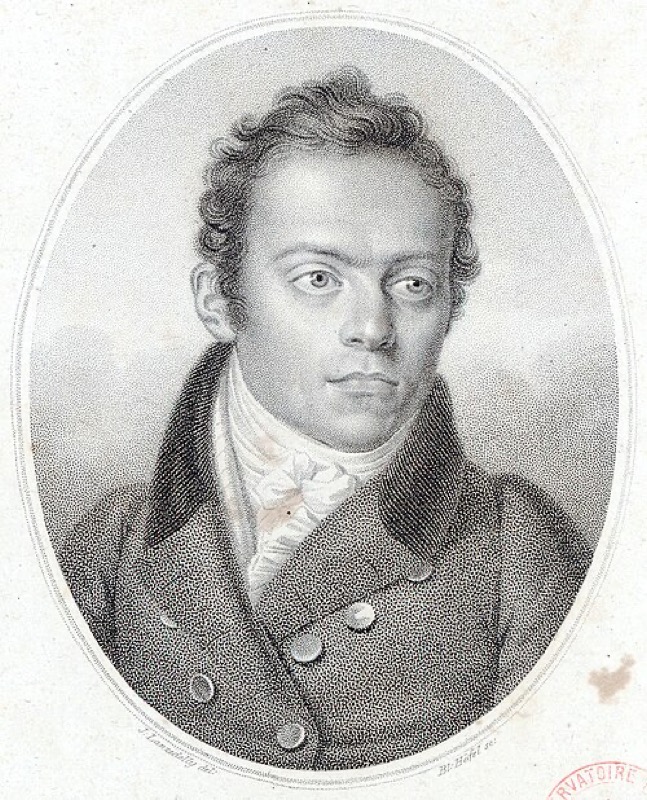
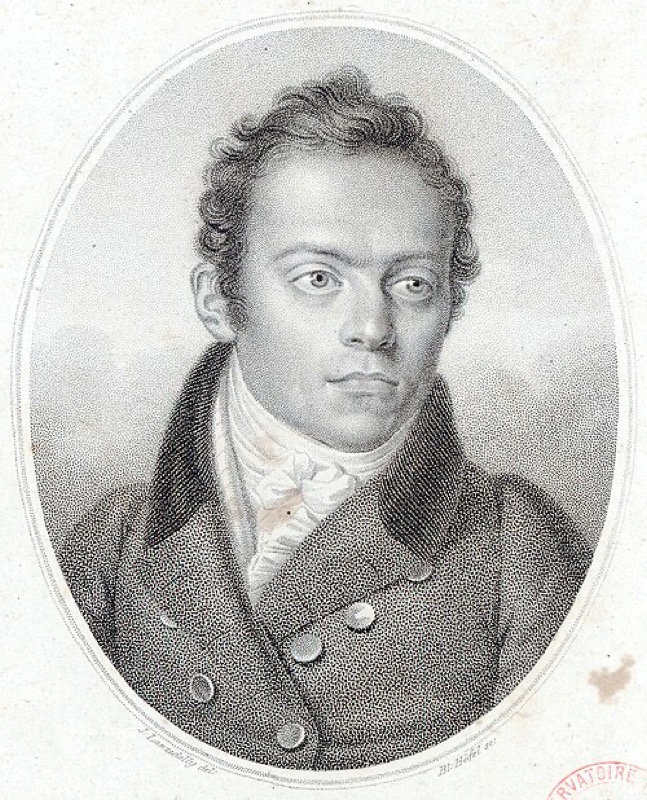
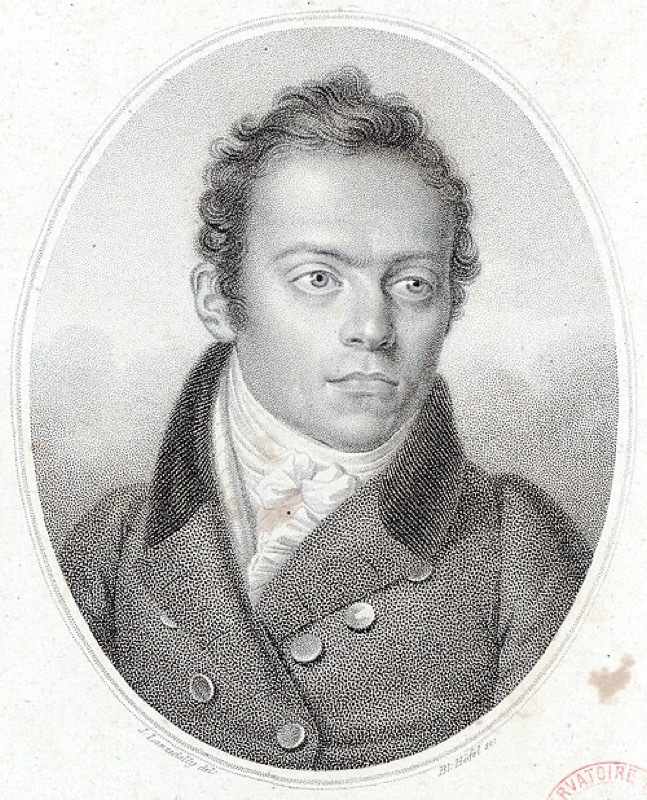
Carl Czerny (1791-1857) studied piano with Beethoven in Vienna from 1800 to 1803, absorbing a rigorous approach to technical precision that shaped everything he wrote afterward. He went on to teach Franz Liszt and dozens of other leading pianists of the century, while producing over a thousand published works - the majority of them instructional exercises designed to solve specific technical problems in the shortest possible time.
The 160 Eight-Measure Exercises, Op. 821, are his most concentrated drill collection: each piece isolates a single technique in exactly eight measures, leaving nowhere to hide a weak finger. No. 1 opens the entire set in C major at Allegro, establishing the founding challenge - clean, even scalar runs executed with staccato precision. There is no warm-up: measure one demands what measure eight will still demand.
Practice path
Build evenness before you build speed.
Begin at 60% tempo with a metronome. Keep the wrist level and let the fingers do the work - a rising wrist on each note creates bumps that are magnified as the tempo increases. Once every note sounds identical in weight and length at the slow tempo, raise by 10% increments. Use the section loop on any single bar that breaks down before the others.
Score basis: Generated MusicXML from Mutopia MIDI. Public domain composition; Public Domain (CC0) - Mutopia; MusicXML generated for Pianodemy. Attribution: Mutopia Project (https://www.mutopiaproject.org/cgibin/piece-info.cgi?id=2060).
MIDI source: Mutopia Project (https://www.mutopiaproject.org/cgibin/piece-info.cgi?id=2060). Public Domain (CC0) - Mutopia.
Questions
Before you practice.
Short answers for learners and for searchers deciding whether this is the right version to start with.
01What does Czerny Op. 821 No. 1 practise?
It drills right-hand scalar fluency and staccato articulation in C major at an Allegro tempo. The eight-measure format means each bar receives equal scrutiny - there is no filler passage to coast through.
02How hard is Czerny Op. 821 for beginners?
Op. 821 is rated beginner-to-early-intermediate. The short length makes each exercise approachable, but the required speed and evenness demand consistent daily repetition before the technique locks in.
How to use this V1
Eight measures means eight moments of scrutiny.
Because the piece is only eight bars, each measure receives equal attention - there is no filler passage to coast through. At half tempo, listen for the weakest finger (usually the fourth) and assign it one extra slow repetition per practice session. Wait-for-note mode is useful for confirming that staccato releases happen exactly on the beat rather than slightly before, which is the most common cause of a rushed-sounding scalar passage.
Keep going