Interactive piano piece
Learn 50 Melodische Übungsstücke, No. 3, Op. 840
A thoughtful 3/8 study that moves between C minor and C major, giving beginners their first encounter with minor tonality in the Op. 840 set. The practice desk's per-section loops and tempo slider are well suited to the modulating middle section of No. 3, where Czerny steers briefly through the relative minor before returning home.
Browser MIDI check pending
Loading score...
Press Play for the full piece, or choose Opening and switch to Wait for note for guided right-hand practice.
About the piece
The piece in Op. 840 that ventures furthest from home.
Carl Czerny structured the Melodische Übungsstücke, Op. 840, as a systematic expansion of the student's harmonic and technical range. No. 3 maintains the cantabile character of the first two pieces but introduces a middle section that moves through the relative minor and holds it long enough to feel genuinely contrasting rather than decorative. For a student working through the set in order, this is the first moment where the home key feels genuinely distant.
The harmonic detour serves a pedagogical purpose: it teaches the student to sustain a singing tone and a clear sense of phrase even when the harmonic ground shifts. Czerny's approach throughout Op. 840 is to place musical demands - sustained tone, balance, phrasing - in settings complex enough to test them without overwhelming the player. No. 3 is the first piece in the set where harmonic attentiveness is explicitly required.
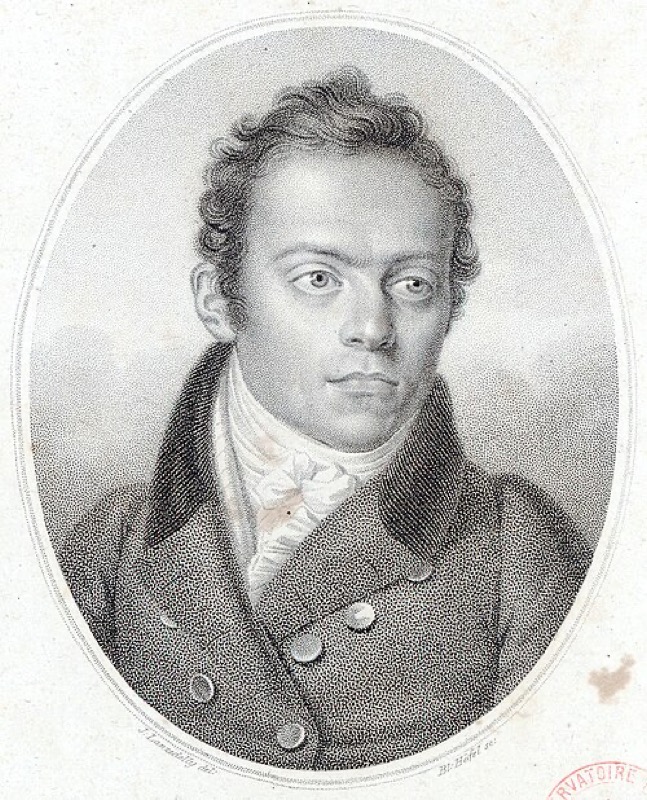
Practice path
Navigate the relative minor without losing the melodic line.
Establish the opening section in the major key first, then shift focus entirely to the middle section in the relative minor. Loop the middle section at 65% until the harmonic shift feels natural rather than surprising, and check that the melody keeps its vocal quality in the minor mode - it should not become harder or more angular just because the key has changed. The return to the major should feel like a resolution, not just a repetition.
Score basis: Generated MusicXML from Mutopia MIDI. Public domain composition; Public Domain (CC0) - Mutopia; MusicXML generated for Pianodemy. Attribution: Mutopia Project (https://www.mutopiaproject.org/cgibin/piece-info.cgi?id=2148).
MIDI source: Mutopia Project (https://www.mutopiaproject.org/cgibin/piece-info.cgi?id=2148). Public Domain (CC0) - Mutopia.
Questions
Before you practice.
Short answers for learners and for searchers deciding whether this is the right version to start with.
01What key is Czerny Op. 840 No. 3 in?
It begins in C minor and modulates to C major in the contrasting section, then returns to C minor - a structure that gives students early experience with parallel major and minor keys.
02How long is Czerny Op. 840 No. 3?
It is 48 measures in a gentle 3/8 metre - slightly longer than the first two études in the set, but still concise enough for a focused practice session.
How to use this V1
Keep the vocal tone through the harmonic shift.
Students often unconsciously tighten their touch when the harmony moves to minor. At 60% tempo, practice the middle section and consciously match the tonal weight to the opening section - same finger depth, same wrist flexibility. At 80%, run the complete piece and listen for any change in tone quality at the point where the key changes. Use the loop on the transition bars in both directions: into the minor and back to the major.
Keep going