Interactive piano piece
Learn Hjemkomst (Homecoming)
A warm, song-like Lyric Piece in G major that captures the emotional arrival of homecoming through a direct, open melody and a gentle, supportive accompaniment. The practice desk loads the full Hjemkomst score with real-time playback, tempo scaling, and per-section loops - useful for the sweeping opening march figure and the lyrical middle episode.
Browser MIDI check pending
Loading score...
Press Play for the full piece, or choose Opening and switch to Wait for note for guided right-hand practice.
About the piece
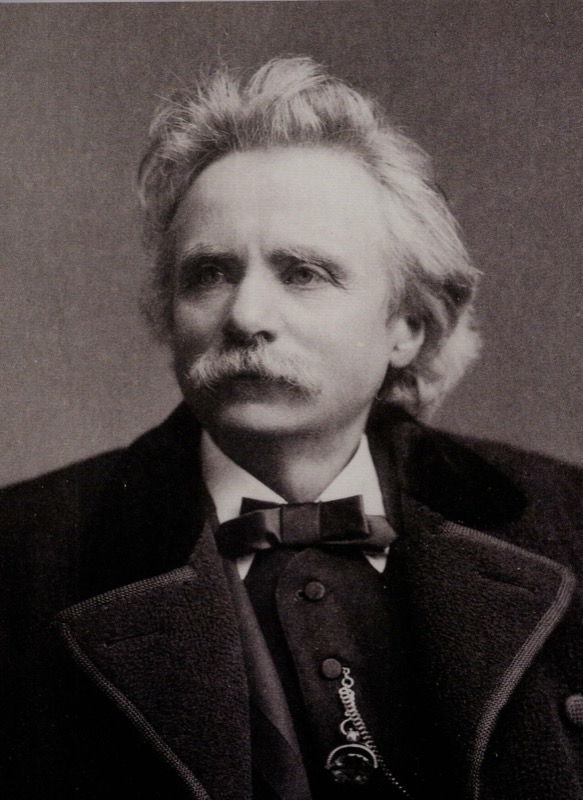
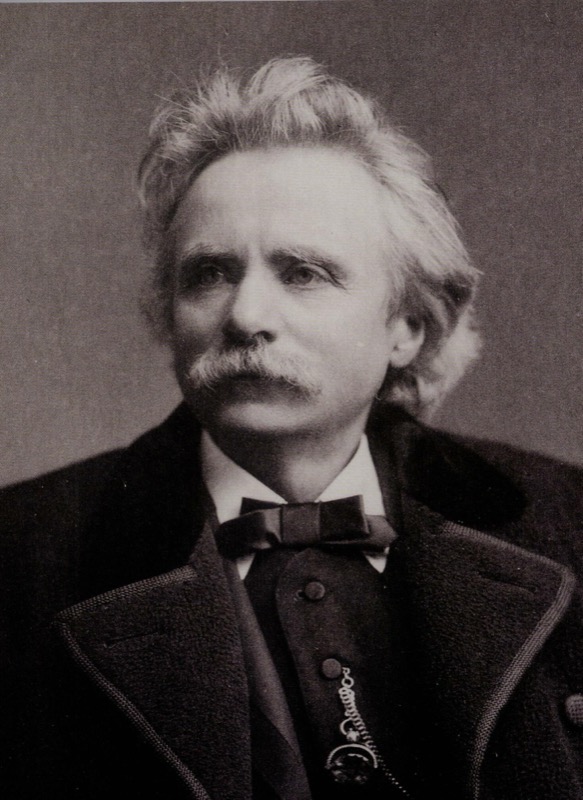
Homecoming - the piece Grieg wrote from the road.
Lyric Pieces, Book VII, Op. 58, was published in 1893. Grieg had by then spent much of his adult life touring Europe as a performer and conductor - away from Bergen, away from Troldhaugen, the villa he and his wife Nina had built outside the city in 1885. The opening piece, Hjemkomst (Homecoming), captures the emotional register of return: not nostalgic longing but arrival, the physical sensation of crossing back over familiar ground.
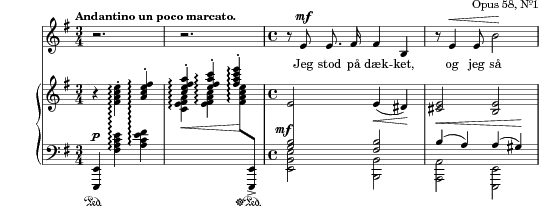
The piece is built on a march-like repeated-chord figure in the bass that propels the opening, suggesting the momentum of a journey still in the body even as the destination comes into view. Grieg gradually softens the texture as the harmonic language opens into the lyrical middle section. The return of the march figure at the end has a different quality - the same rhythm, but now grounded rather than propulsive. It is a small narrative arc told entirely through texture and dynamics.
Practice path
Build the march energy, then release it in the middle section.
The opening march requires a firm, even left hand - the repeated chords must stay rhythmically exact without becoming mechanical. Loop the first eight bars at 65% to establish the pattern before adding the right-hand melody. The lyrical middle section demands the opposite: a soft, flowing right hand over a reduced left-hand texture. The return to the march figure should feel inevitable; work the transition bar from the lyrical section back to the march at full tempo after each section is secure.
Score basis: Generated MusicXML from Mutopia MIDI. Public domain composition; Creative Commons Attribution-ShareAlike 3.0; MusicXML generated for Pianodemy. Attribution: Mutopia Project (https://www.mutopiaproject.org/ftp/GriegE/O58/Hjemkomst/).
MIDI source: Mutopia Project (https://www.mutopiaproject.org/ftp/GriegE/O58/Hjemkomst/). Creative Commons Attribution-ShareAlike 3.0.
Questions
Before you practice.
Short answers for learners and for searchers deciding whether this is the right version to start with.
01What does Hjemkomst mean?
Hjemkomst is a Norwegian word meaning homecoming or return home. Grieg uses it as the title for the first piece of Op. 58, giving it the character of a warm arrival after a journey.
02Is Grieg's Hjemkomst suitable for late beginners?
Yes. At 46 measures with a clear G major key and transparent two-voice texture, it is one of the more approachable Lyric Pieces, while the lyrical phrasing gives late beginners a clear musical goal beyond just the notes.
How to use this V1
Control the march chord weight throughout.
The left-hand repeated chords in the march sections are physically tiring if played with full arm weight. Practice them at 60% with a relaxed wrist - each chord should feel placed, not struck. At 80%, the energy is in the rhythm, not the force. The middle section needs a sudden dynamic contrast; use the section loop to drill the transition from forte to piano at the bar where the lyrical theme enters. The closing bars should taper naturally without slowing.
Keep going