Interactive piano piece
Learn Peacherine Rag
A crisp, marching rag from Joplin's early peak - 89 measures of clean syncopation that rewards steady counting and a light, bouncing touch. The Pianodemy desk lets you loop any four-bar strain and slow the tempo to feel Joplin's syncopation lock in before you bring the speed up - the method he used when teaching ragtime himself.
Browser MIDI check pending
Loading score...
Press Play for the full piece, or choose Opening and switch to Wait for note for guided right-hand practice.
About the piece
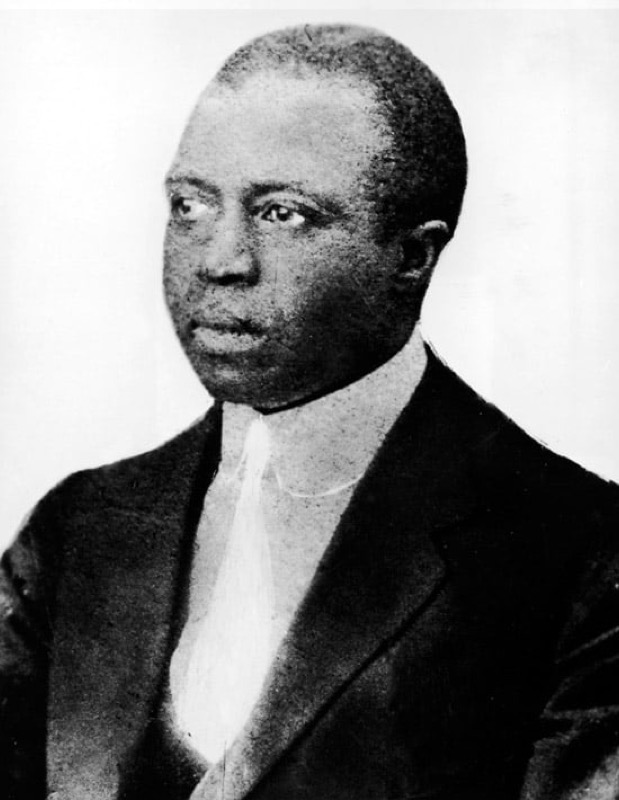
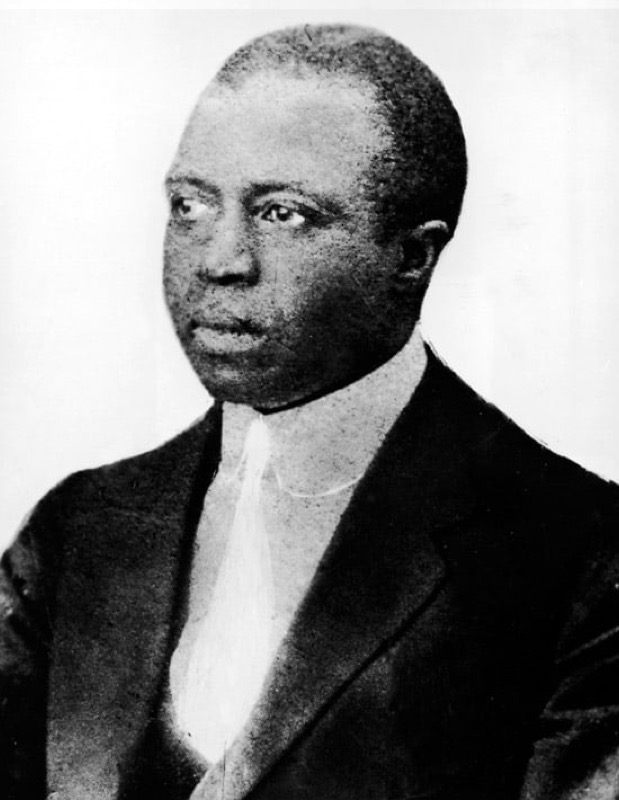
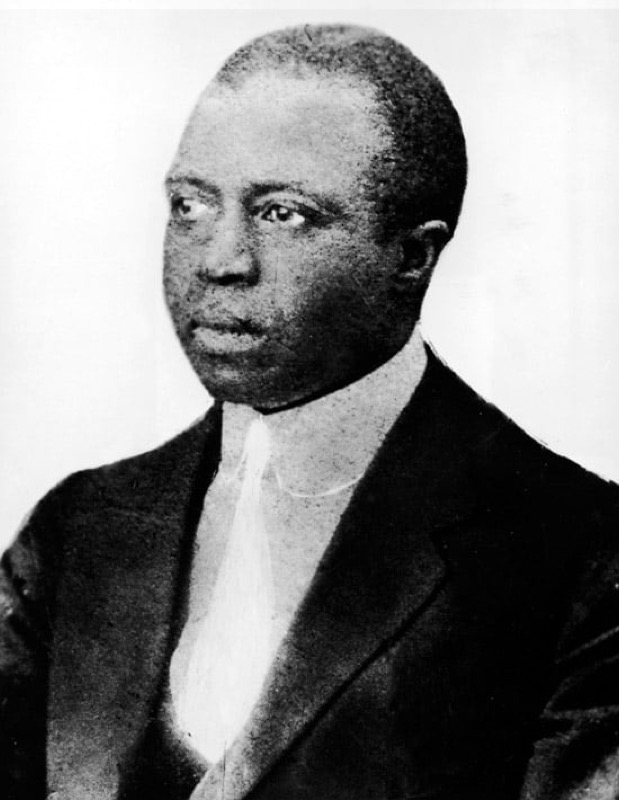
One of Joplin's earliest published rags, written before fame set in.
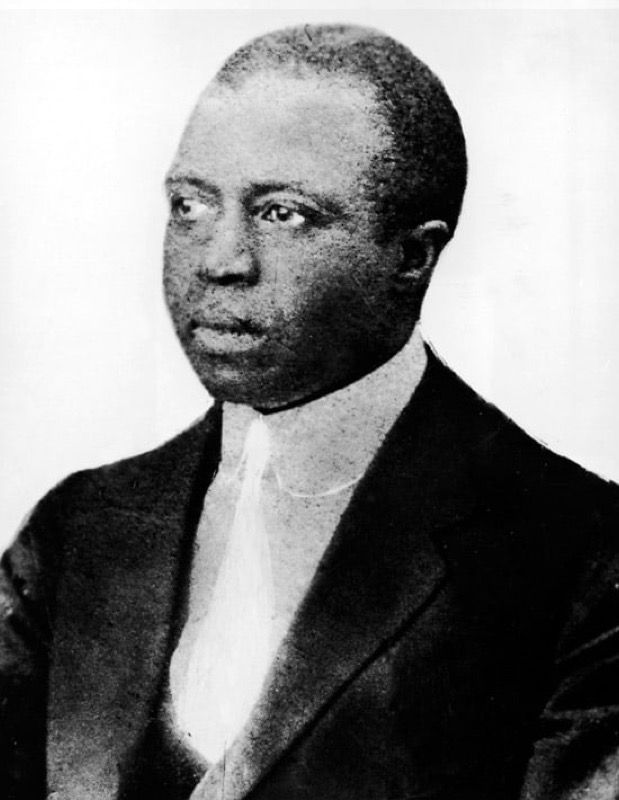
Peacherine Rag was published in 1901 by John Stark & Son in St. Louis, the year after Joplin's Maple Leaf Rag had already made him the best-known composer in the emerging ragtime genre. The title is thought to be a playful portmanteau of 'peach' and 'nectarine,' fitting the light, sweet character of the piece. At this stage in his career Joplin was composing prolifically - Peacherine appeared in a run of rags that showed him experimenting with different structural formulas and harmonic colors beyond the Maple Leaf template.
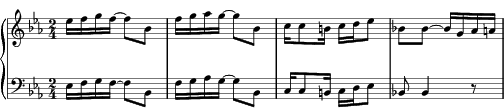
The rag follows the classic march-and-strain form Joplin inherited from the brass band tradition: a sixteen-bar introduction followed by three or four repeated strains, each with its own melodic character. Peacherine's opening strain is particularly buoyant, with right-hand figures that lean into the offbeat in a way that rewards a light touch at the keyboard. It appeared during ragtime's peak commercial years and was part of the wave of Stark publications that gave the genre its first legitimate sheet-music market.
Practice path
Establish the offbeat before adding velocity.
Isolate the opening sixteen-bar strain at 60% tempo and count the offbeat right-hand entries aloud before they feel natural. The left hand is a steady um-pah bass - once it becomes automatic the right hand has room to float. Loop each strain as a separate unit; Joplin's march-and-strain form means the piece rewards sectional practice more than run-throughs.
Score basis: Generated MusicXML from Mutopia MIDI. Public domain composition; Public Domain; MusicXML generated for Pianodemy. Attribution: Mutopia Project (https://www.mutopiaproject.org/ftp/JoplinS/peacherine/).
MIDI source: Mutopia Project (https://www.mutopiaproject.org/ftp/JoplinS/peacherine/). Public Domain.
Questions
Before you practice.
Short answers for learners and for searchers deciding whether this is the right version to start with.
01How hard is Peacherine Rag compared to The Entertainer?
Peacherine sits at a similar level - solid intermediate. The stride patterns in the left hand are comparable, but the syncopated figures in the right hand are slightly busier, so it rewards a bit more polish with The Entertainer first.
02What does 'Peacherine' mean?
The name likely refers to the Peacherine peach, a variety grown in the American South and Midwest around 1900. Joplin regularly named pieces after people, places, and small local references that had personal meaning.
How to use this V1
Sweet tone, not percussive attack.
Ragtime at tempo feels fast but each note should be voiced, not hammered. Use the loop feature on any four-bar phrase where the syncopation feels forced - repeat until it feels inevitable, then move to the next phrase. The piece sits best at around 80% of a brisk march tempo; rushing the strains flattens the buoyancy that defines the style.
Keep going