Interactive piano piece
Learn The Entertainer
A ragtime classic for syncopation, left-hand stride patterns, and section-by-section practice. The Pianodemy desk puts a playable score in front of you: loop the four-bar strain at half speed, let the syncopated right hand lock in before bringing the bass up to tempo.
Browser MIDI check pending
Loading score...
Press Play for the full piece, or choose Opening and switch to Wait for note for guided right-hand practice.
About the piece
Ragtime's most optimistic piece and its complicated history.
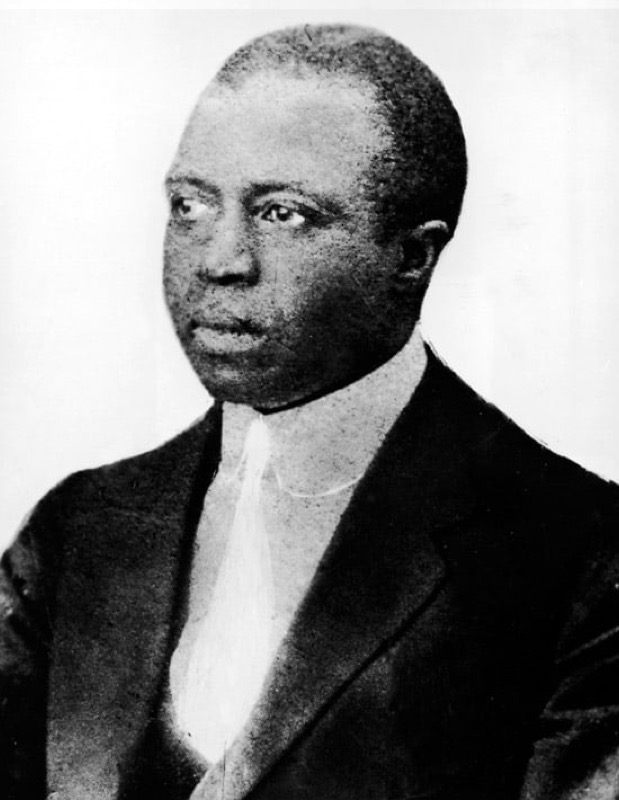
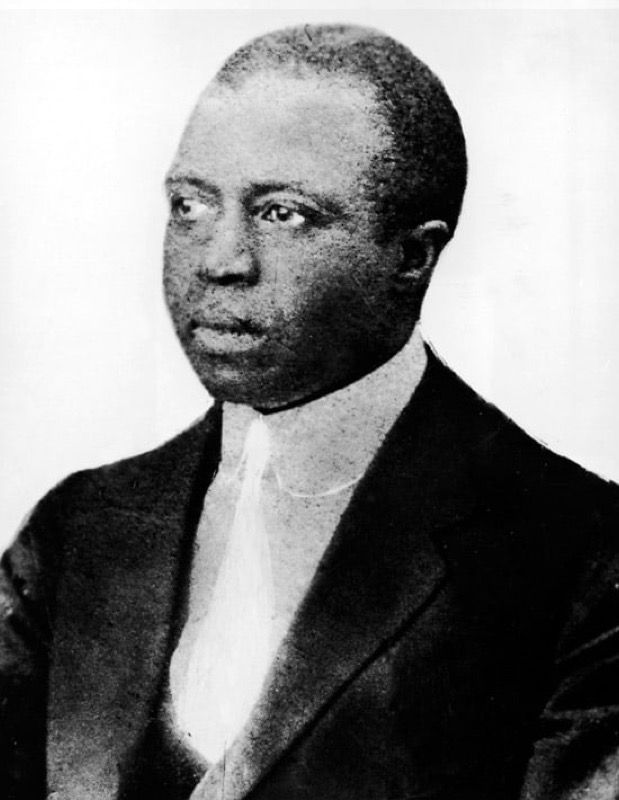
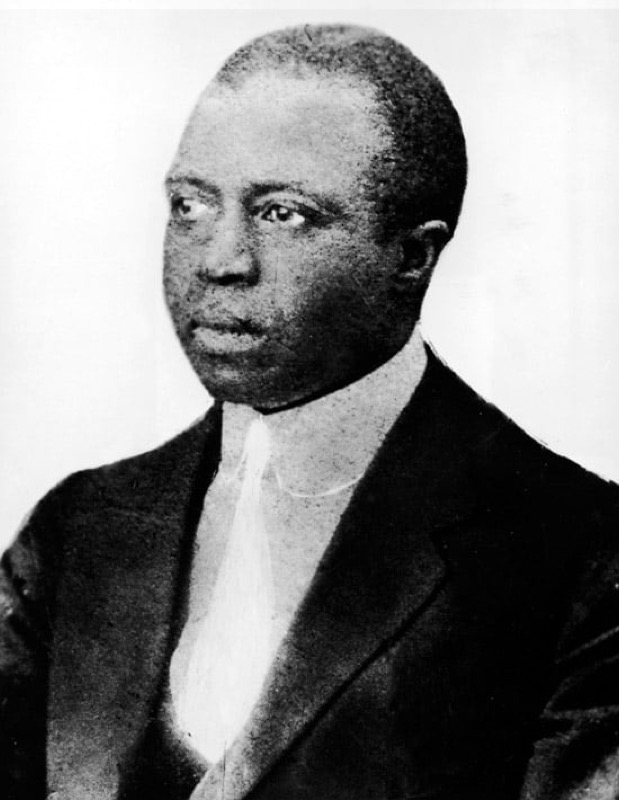
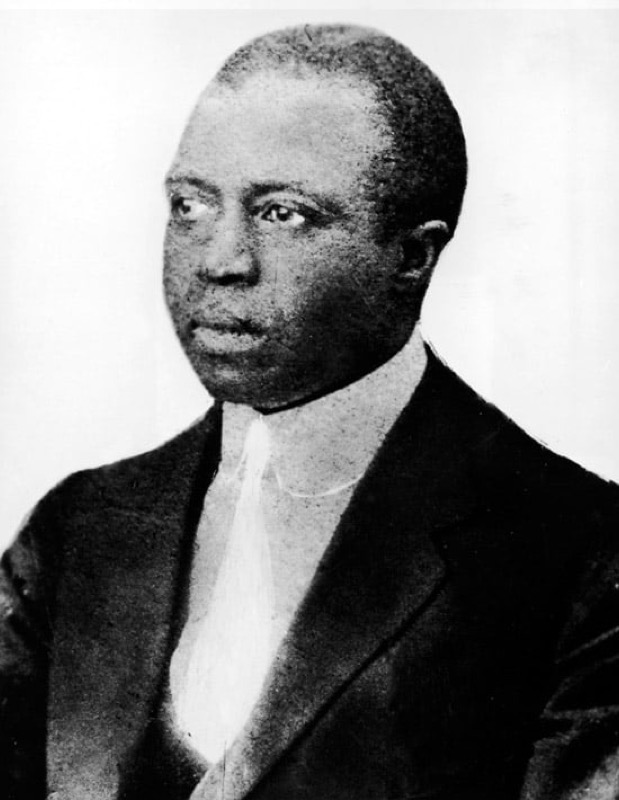
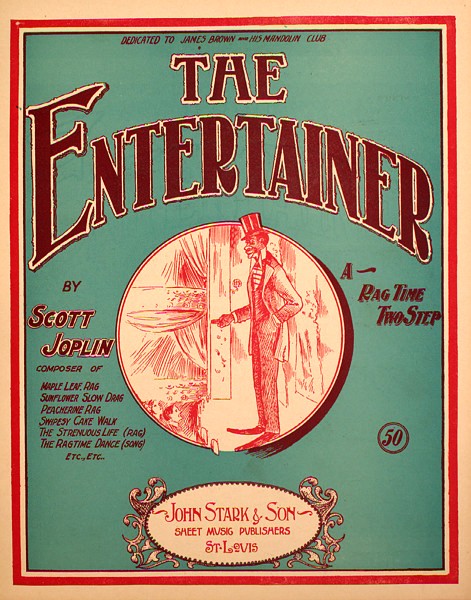
Scott Joplin published The Entertainer in 1902 through John Stark & Son in St. Louis, one of the few publishers willing to print piano rags by Black composers in an era when the genre was simultaneously celebrated and dismissed. Joplin had already published Maple Leaf Rag in 1899, which made him famous, but The Entertainer showed a different side: lighter in tone, almost playful in its four-bar intro and repeating strains, built from the bright call-and-response between the right hand's syncopated melody and the steady left-hand bass.
The piece was largely forgotten for decades until Marvin Hamlisch arranged it for the soundtrack of The Sting in 1973, earning an Oscar and introducing a new generation to Joplin's music. The film's success was a double-edged compliment: it brought Joplin's name back into circulation just as scholars were re-examining his life and the broader history of ragtime, leading to the posthumous Pulitzer Prize in 1976.
Joplin spent his final years in New York trying to complete his opera Treemonisha, a project that consumed him and was never professionally staged during his lifetime. The Entertainer, by contrast, remains exactly what its title says - a piece that does its job with evident delight.
Practice path
Lock in the syncopation before adding tempo.
The four-bar introduction sets up the rhythmic language: right-hand notes that land between the beats while the left hand holds the downbeat steady. Loop the introduction at 50% tempo and count out loud until the syncopated notes feel natural rather than forced. The piece has four distinct strains; practice each one as a unit before stringing them together.
The C strain, which moves to the subdominant, is the most harmonically adventurous section. Loop it separately until the chord changes under the melody feel like arrivals rather than accidents, then return to the full structure.
Score basis: Generated MusicXML from Mutopia MIDI. Public domain source; prototype MusicXML generated for Pianodemy. Attribution: Mutopia Project, Mutopia-2016/11/25-263, reproduction of original 1902 edition.
MIDI source: Mutopia Project, Mutopia-2016/11/25-263. Public domain / Mutopia distribution.
How to use this V1
Right hand floats, left hand anchors.
Use 50% tempo to feel the syncopation without rushing to catch up with the beat. At 75%, the bounce of the style starts to emerge naturally. The loop function works best on single four-bar strains - repeat each one until the right-hand rhythm feels effortless before moving to the next.
Keep going