Interactive piano piece
Learn Bittendes Kind, Op. 15 No. 4 (Kinderszenen)
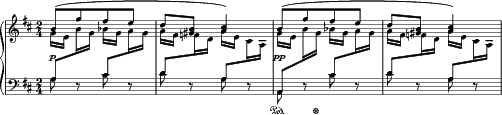
One of the shortest and most intimate pieces in all of Kinderszenen - just 17 measures of a child's quiet, earnest plea, resolved in D major warmth. Loop the pleading phrase and try shaping it with a slight crescendo into the peak note - that vocal curve is what the piece is about.
Browser MIDI check pending
Loading score...
Press Play for the full piece, or choose Opening and switch to Wait for note for guided right-hand practice.
About the piece
A child asking - and hoping.
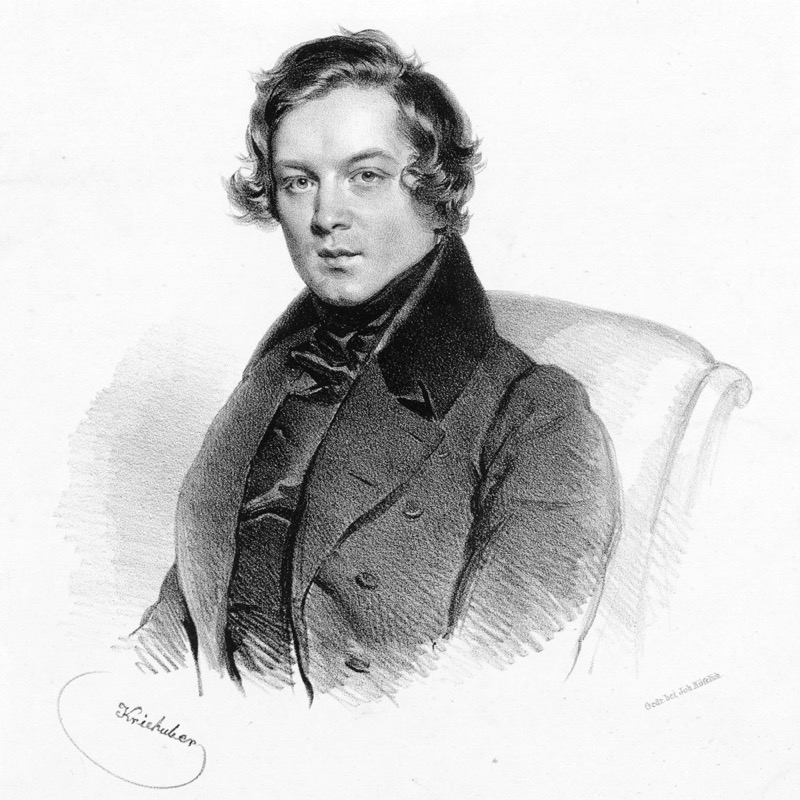
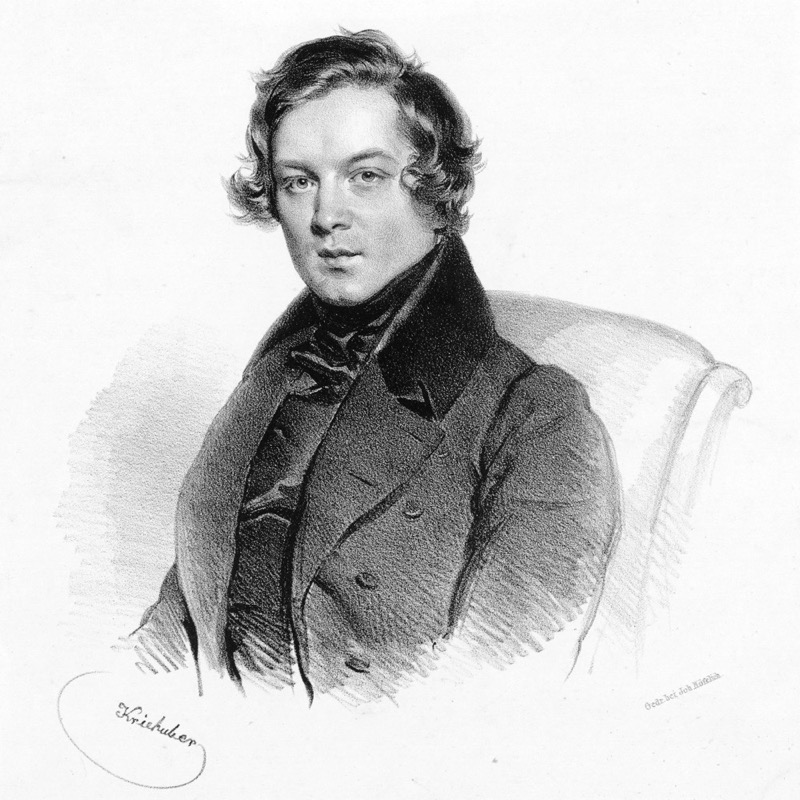
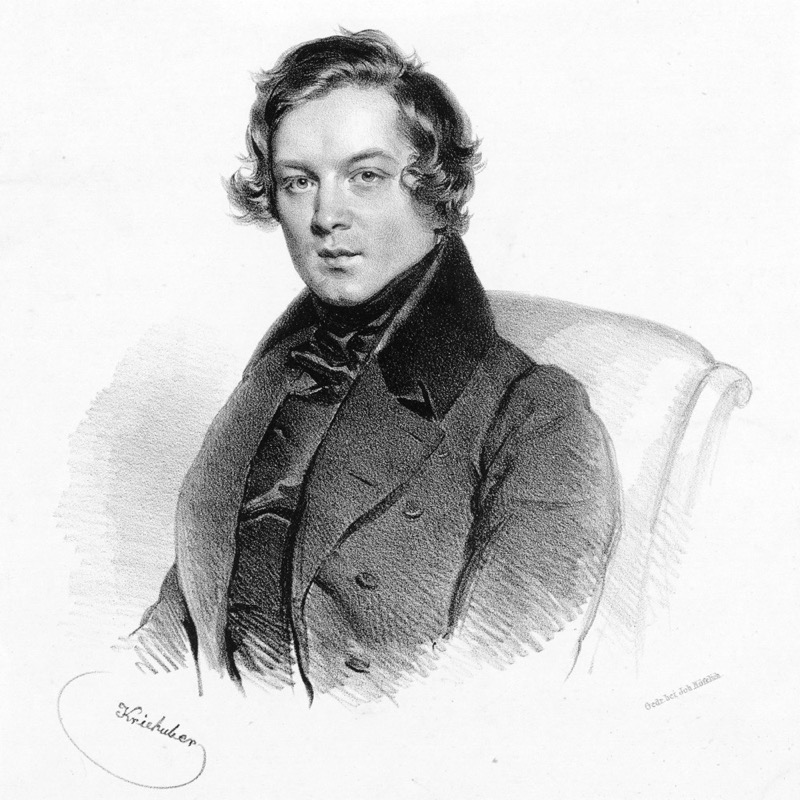
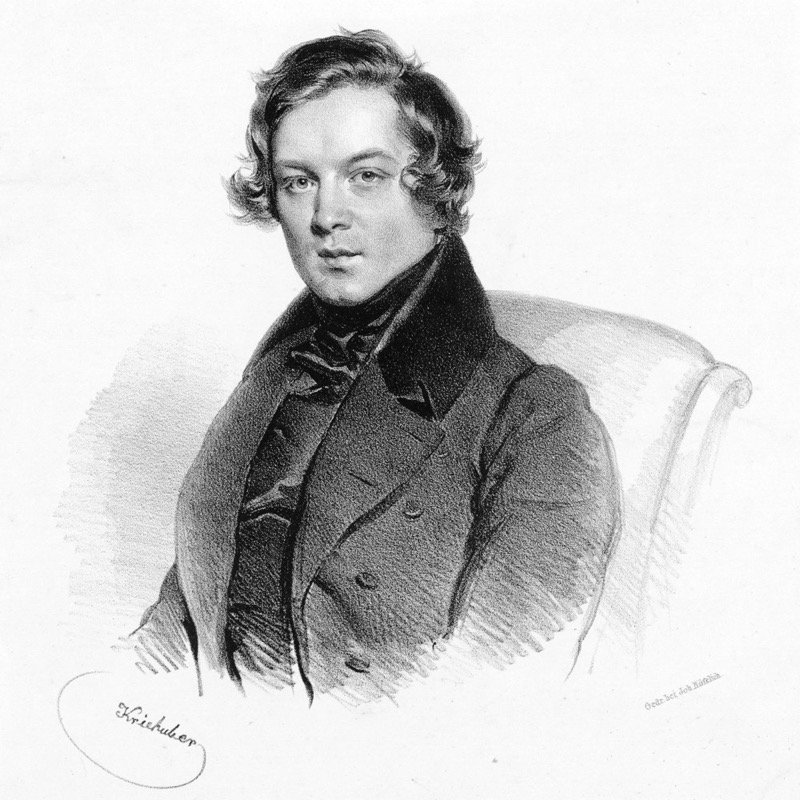
Bittendes Kind ('Pleading Child') is the fourth piece in Kinderszenen (Op. 15, 1838). It is among the shortest and most concentrated in the set, yet it carries an emotional intensity that belies its modest length. The music hovers between question and answer, never quite resolving - a perfect portrait of a child waiting to hear yes or no.
Clara Schumann later described Kinderszenen as music that 'looks at childhood from the outside, from the adult's perspective.' Bittendes Kind captures that quality exactly: the plea is tender rather than demanding, and the grown-up hearing it knows both the sweetness of the asking and the weight of the decision.
Practice path
Phrase like a singer, not a pianist.
Sing the melody before playing it, and let your voice naturally swell toward the highest note and fall away on the resolution. Transfer that vocal arc to the keyboard, using arm weight rather than finger pressure to shape the crescendo. The piece is essentially a single long phrase - treat it as such.
Score basis: Generated MusicXML from Mutopia MIDI. Public domain composition; CC BY 3.0; MusicXML generated for Pianodemy. Attribution: Mutopia Project (https://www.mutopiaproject.org/cgibin/piece-info.cgi?id=366).
MIDI source: Mutopia Project (https://www.mutopiaproject.org/cgibin/piece-info.cgi?id=366). CC BY 3.0.
Questions
Before you practice.
Short answers for learners and for searchers deciding whether this is the right version to start with.
01Is Bittendes Kind one of the easiest pieces in Kinderszenen?
Yes, it is among the most accessible movements in the cycle. At only 17 measures with a slow 60 bpm tempo and straightforward D major harmony, it is manageable for late beginners. The real challenge is achieving a genuinely gentle, pleading quality rather than simply playing quietly.
02What does 'Bittendes Kind' mean and how does it shape the performance?
The title means 'Pleading Child.' This suggests a soft, slightly hesitant quality throughout - no aggressive dynamics, no hurrying. Every phrase should feel like a question rather than a statement, with the end of each musical sentence tapering slightly to maintain the mood of quiet asking.
How to use this V1
The phrase is one long breath.
In slow-tempo mode, listen for a smooth, unbroken melodic line from the first note to the last. Use wait-for-note mode to pause at the phrase peak and hear how the harmony supports the emotional climax. Loop the entire piece - it is short enough - until the arc feels inevitable rather than constructed.
Keep going