Chorale
Four voices, one breath.
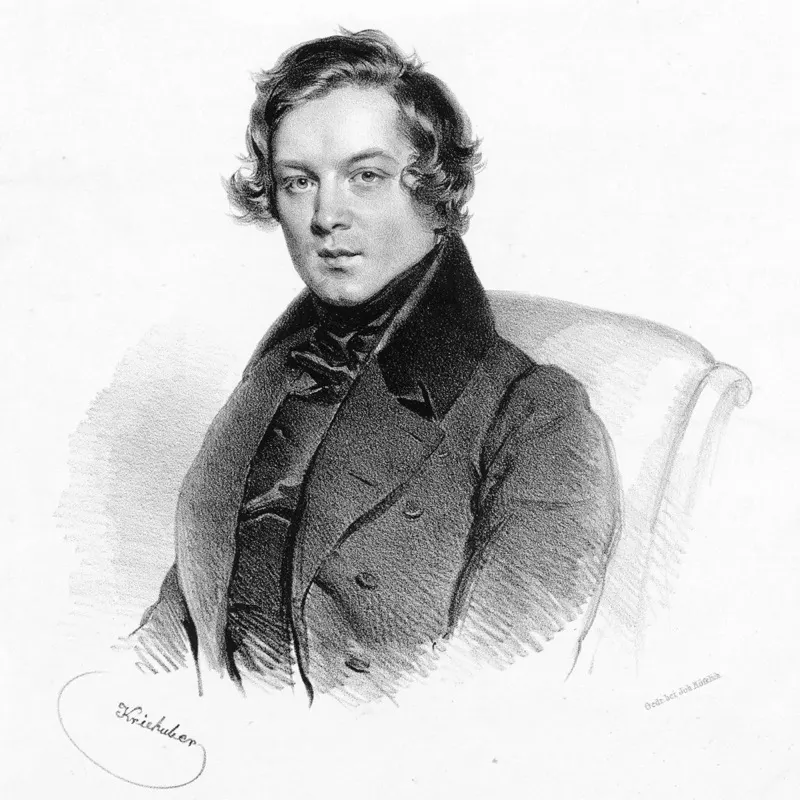
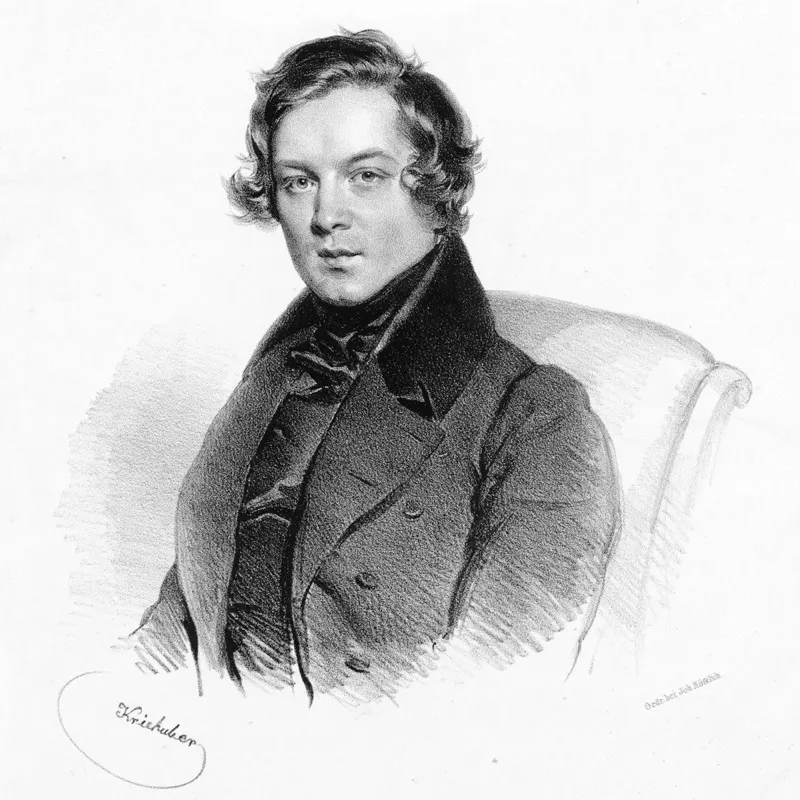
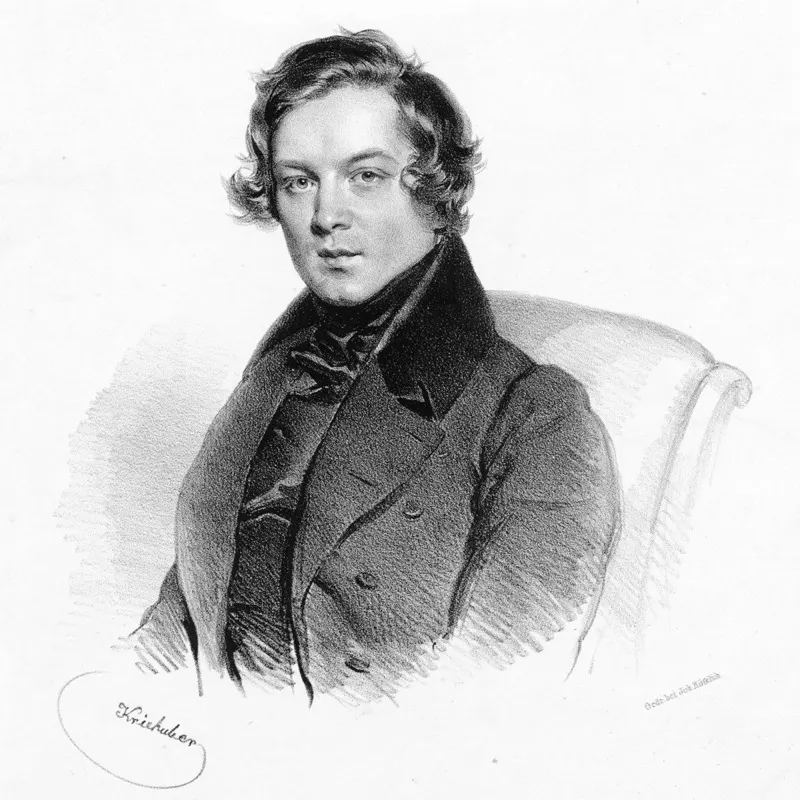
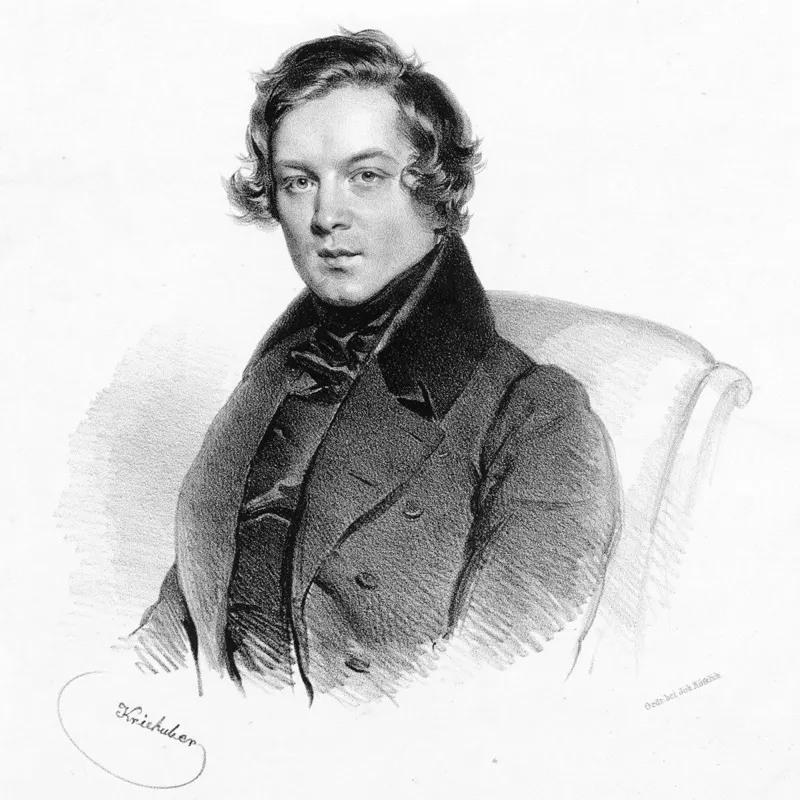
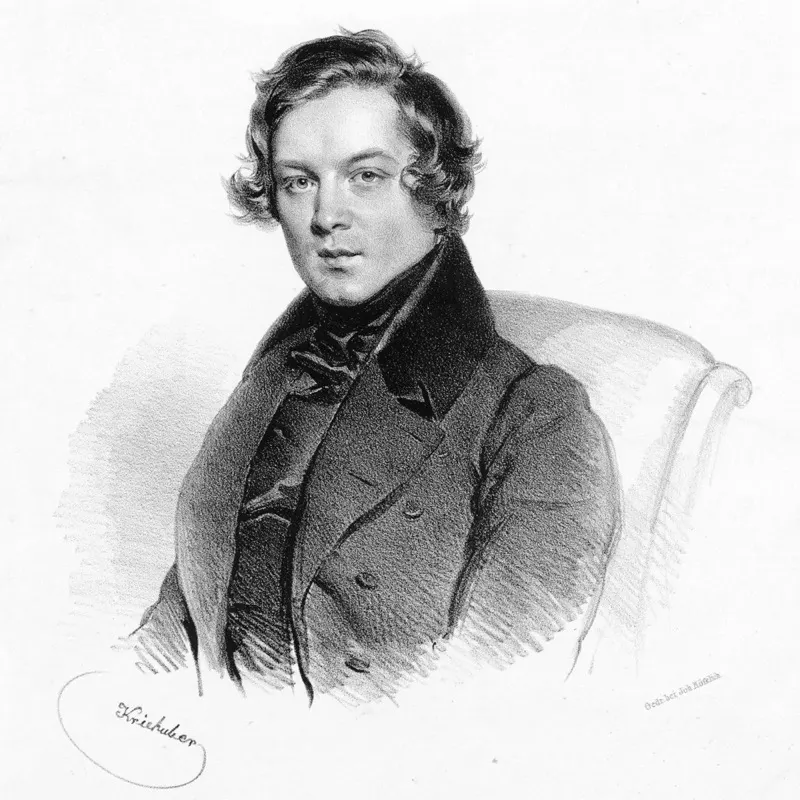
Schumann wrote Album for the Young (Op. 68) in 1848 for his daughter Marie's seventh birthday. The forty-three miniatures divide neatly: the first half for younger beginners, the second for older players. The collection moves between playful character pieces and more introspective, hymn-like writing - and the Chorale is the earliest example of the latter mood.
Chorale (Choral) is set in A minor and written in four-voice hymn texture, each hand carrying two voices simultaneously. The effect is solemn and still - a small cathedral moment inside a children's album. Schumann was deeply interested in Bach's chorales, and this piece shows a young player how to listen to inner voices rather than only the melody on top.
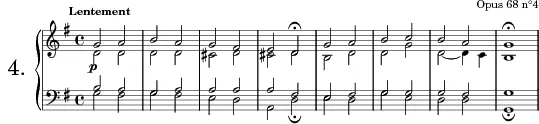
Four voices, equal weight.
Play each hand alone slowly, listening for all two voices in each hand and resisting the urge to accent only the top note. When both hands come together, trace the soprano line through the texture first, then listen to each of the three remaining voices in turn.
MIDI based on the Mutopia Project edition , licensed CC BY-SA 2.5.
Before you practice.
01 What makes Schumann's Chorale Op. 68 No. 4 challenging for beginners?
Playing four-voice texture means each hand holds two separate notes, requiring independent finger control and careful listening to balance the soprano melody above the supporting harmony.
02 How long is Schumann's Chorale Op. 68 No. 4?
The piece is 32 measures long and moves at a moderate pace, making it very manageable. Most early-intermediate students can learn the notes within a couple of weeks and then focus on achieving a full, resonant choral sound.
Listen inside the chords.
At 50% tempo each chord change becomes audible as a harmonic event rather than a block of notes. Loop the middle section in A minor to study how Schumann moves between the voices. The soprano must lead, but the inner lines give the piece its depth - neglecting them turns a chorale into a series of chords.