Interactive piano piece
Learn Poor Orphan Child
A quiet, sorrowful melody in A minor that asks for genuine expression rather than technical show - one of the most emotionally honest pieces Schumann wrote for young players. Slow the tempo to hear the harmonic shifts that give this minor-key piece its feeling of longing - each chord change carries emotional weight that full speed can blur.
Browser MIDI check pending
Loading score...
Press Play for the full piece, or choose Opening and switch to Wait for note for guided right-hand practice.
About the piece
A minor key, a quiet sorrow.
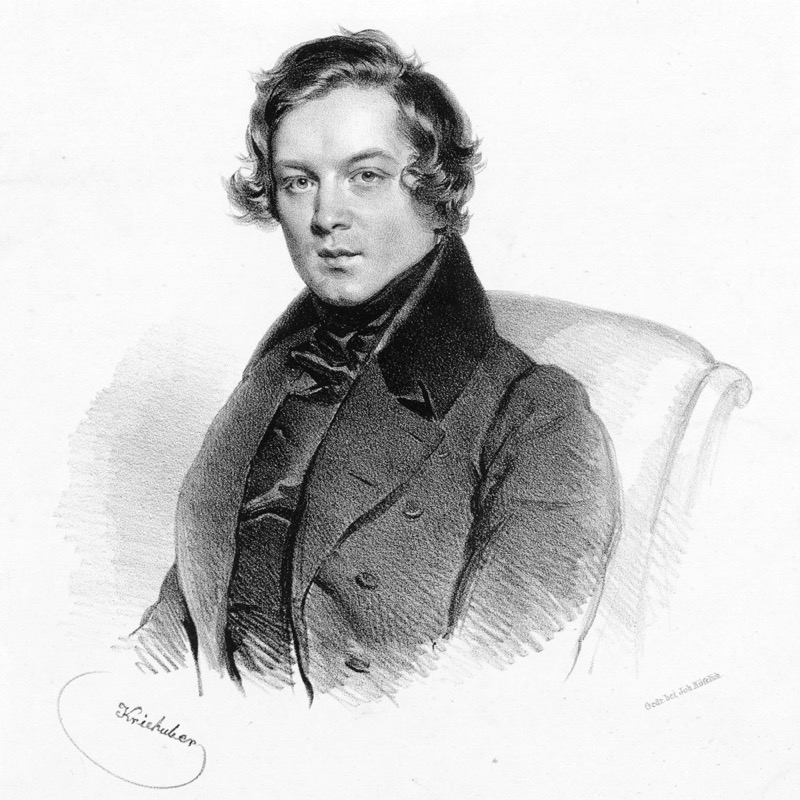
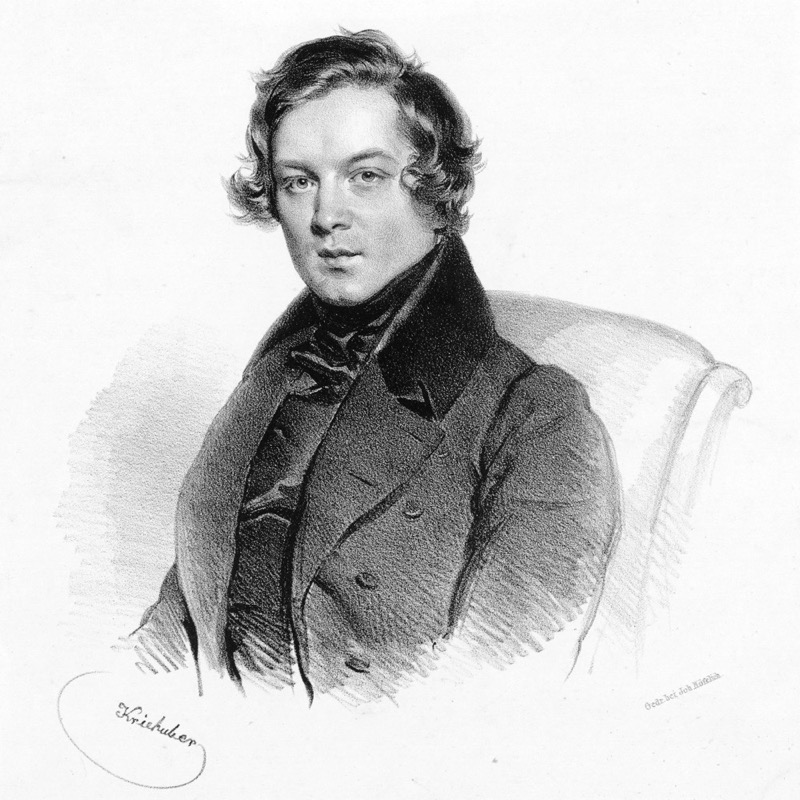
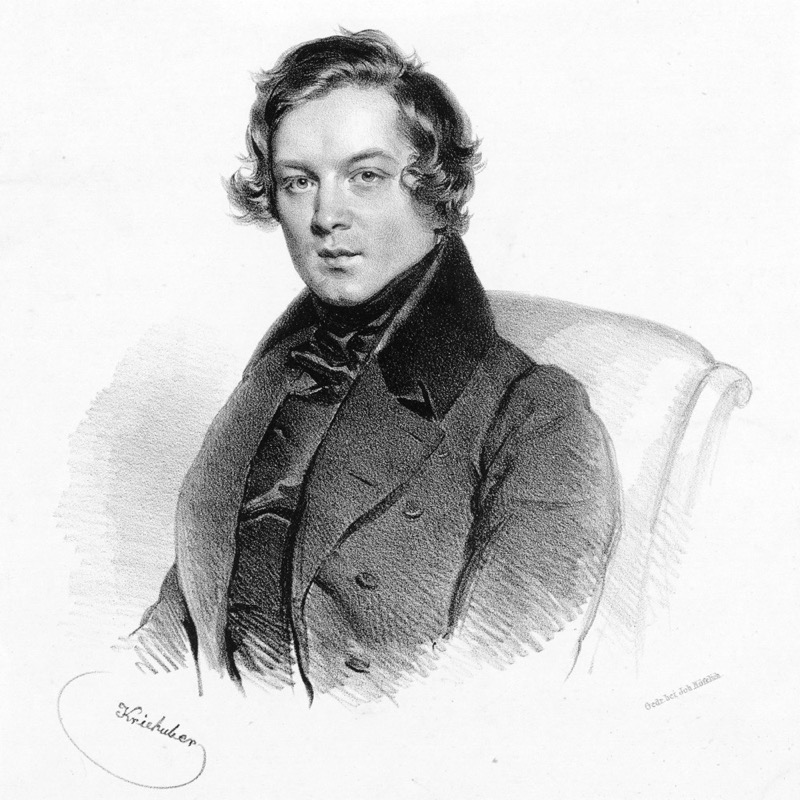
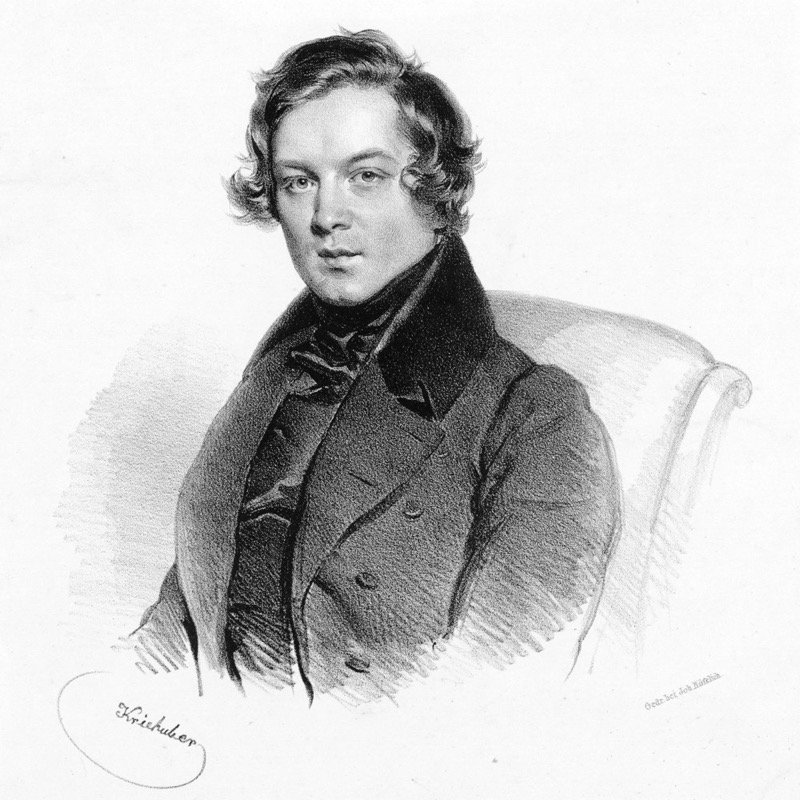
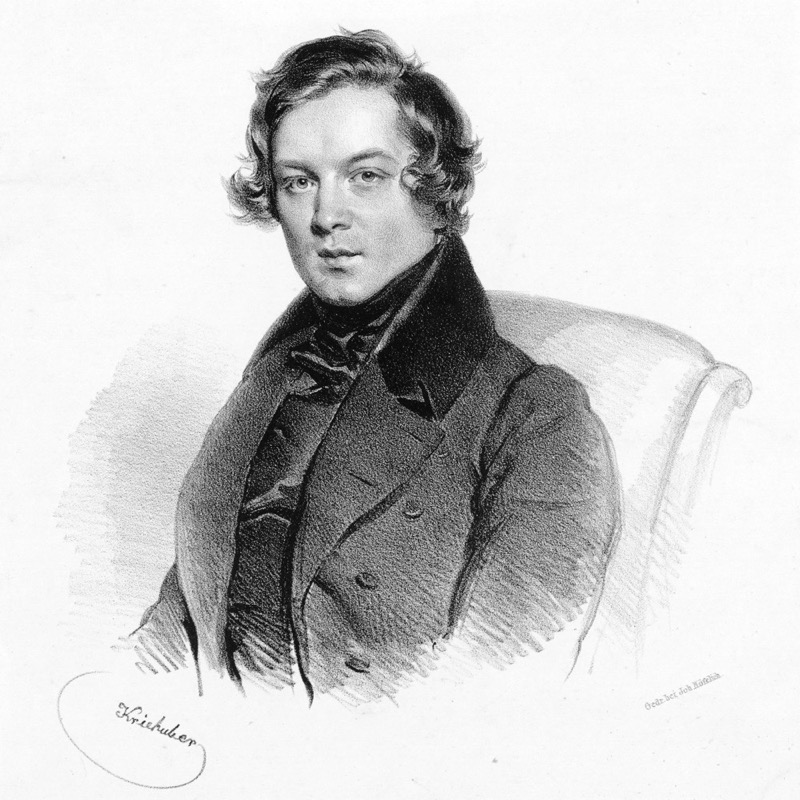
Schumann wrote Album for the Young (Op. 68) in 1848 for his daughter Marie. The collection's forty-three pieces move from the lightest, most accessible pieces in the first half to deeper, more complex music in the second. Even in the early numbers, Schumann refused to keep every piece cheerful - a child's emotional world is wider than that.
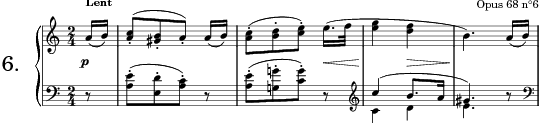
Poor Orphan (Armes Waisenkind) is in D minor and carries a real sadness. The melody moves in short, hesitant phrases that seem to start and stop, as though uncertain of their welcome. The accompaniment is sparse and hollow-sounding. Schumann gives this brief piece more emotional range than pieces three times its length, and a sensitive student will feel the difference immediately.
Practice path
Short phrases, long feeling.
Practice the melody with special attention to where the phrases end - each stopping point should feel like a breath rather than a cutoff. The sparse accompaniment should stay soft so the melody's hesitance reads clearly, without the left hand filling in the emotional space the piece is designed to leave open.
Score basis: Generated MusicXML from Mutopia MIDI. Public domain composition; CC BY-SA 2.5; MusicXML generated for Pianodemy. Attribution: Mutopia Project (https://www.mutopiaproject.org/cgibin/piece-info.cgi?id=687).
MIDI source: Mutopia Project (https://www.mutopiaproject.org/cgibin/piece-info.cgi?id=687). CC BY-SA 2.5.
Questions
Before you practice.
Short answers for learners and for searchers deciding whether this is the right version to start with.
01What level is Schumann's Poor Orphan Child Op. 68 No. 6?
It is a beginner piece technically, but it demands more expressive maturity than its difficulty rating suggests. The notes are simple; making them sound genuinely sad and tender requires careful listening and phrasing.
02What does Poor Orphan Child teach piano students?
The piece develops expressive dynamics, minor-key awareness, and the ability to sustain a long singing phrase without rushing - skills that are essential for any Romantic repertoire.
How to use this V1
Let the pauses speak.
Wait-for-note mode is especially valuable here: it lets you sit on each note and decide how long it belongs before moving on. Loop the opening eight bars to establish the dynamic balance - piano throughout, with the melody only slightly louder than the accompaniment. The piece's power lives in its restraint.
Keep going