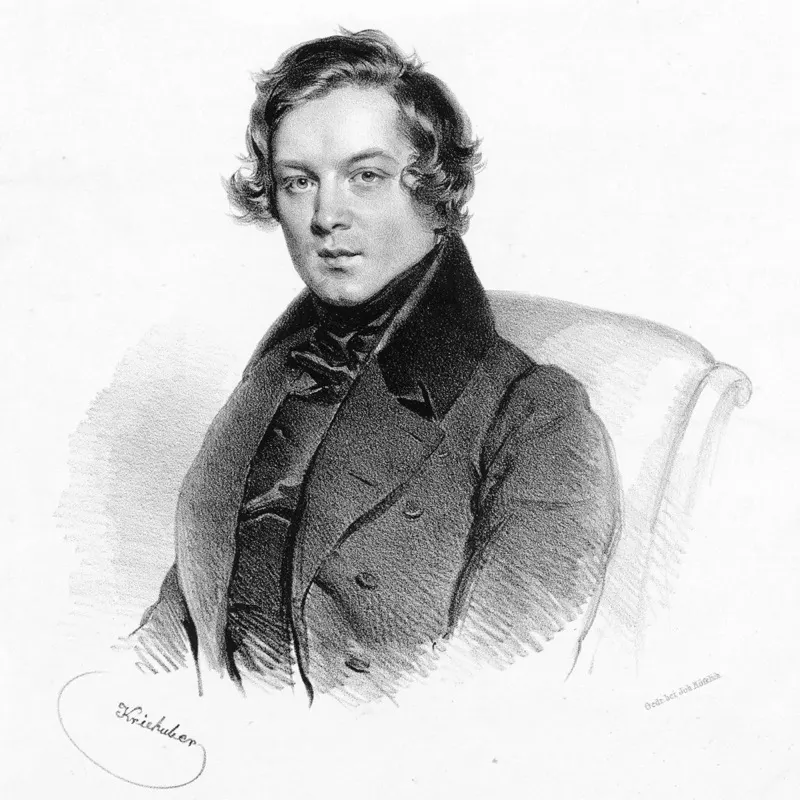
Theater, Op. 68 No. 25 (Album for the Young)
A miniature overture for the young pianist's imagination.
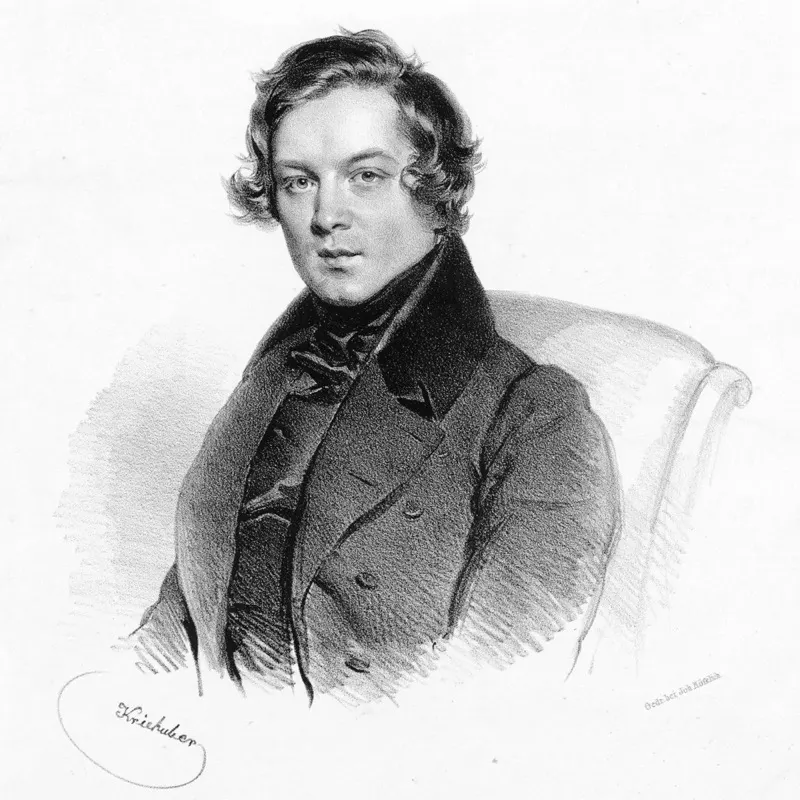
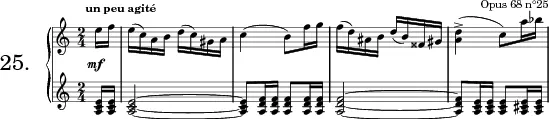
Theater is one of the character pieces Schumann placed in the more advanced second half of Album for the Young (Op. 68, 1848). By No. 25 the album has moved well past simple song-forms into pieces that demand both technical control and musical imagination. Theater paints a scene rather than tells a story: the curtain rising, the audience hushing, the first dramatic chord from the pit.
Schumann was a passionate theatregoer and music critic, and his love of opera and drama saturates the Album's later numbers. The piece calls for sharp dynamic contrasts - sudden fortes against hushed pianissimos - that give it its stagey, expectant character.
Master the contrasts before the notes.
Before working on fingering, read through the dynamics and mark every contrast with a pencil. Then practise the forte passages and piano passages separately so that each has its own clear character, and only combine them once the contrast feels natural and automatic.
Engraving based on the Mutopia Project edition , licensed Creative Commons Attribution-ShareAlike 2.5.
MIDI based on the Mutopia Project edition , licensed Creative Commons Attribution-ShareAlike 2.5.
Before you practice.
01 What mood and technique does Schumann's Theater Op. 68 No. 25 develop?
The piece develops bold phrasing, confident dynamic contrasts, and a firm rhythmic pulse. Students learn to commit to sudden loud-soft shifts rather than splitting the difference, which is the same skill required in larger theatrical works by Beethoven and Schumann.
02 Is Theater Op. 68 No. 25 harder than the earlier pieces in the Album for the Young?
Yes, it is one of the more demanding pieces in the album's second part. The 62 measures require sustained stamina, precise rhythmic control, and confident dynamic contrasts - qualities that make it appropriate for students who have already worked through the beginner-level pieces earlier in the collection.
Commit to every dynamic.
Use slow-tempo mode to hear exactly where each dynamic change falls in the bar. In wait-for-note mode, pause before each forte entry to set your hand weight deliberately. Loop the passages where piano follows forte immediately - these transitions make or break the theatrical effect.