Interactive piano piece
Learn Morning Prayer
A serene chorale in G major that opens Tchaikovsky's Children's Album - short, quiet, and completely focused on producing a warm, even tone. The interactive desk loads the simple G major score and lets you loop any phrase at half tempo - the opening piece of Tchaikovsky's Children's Album, written specifically for a young pianist's hands.
Browser MIDI check pending
Loading score...
Press Play for the full piece, or choose Opening and switch to Wait for note for guided right-hand practice.
About the piece
The piece that begins every child's musical day.
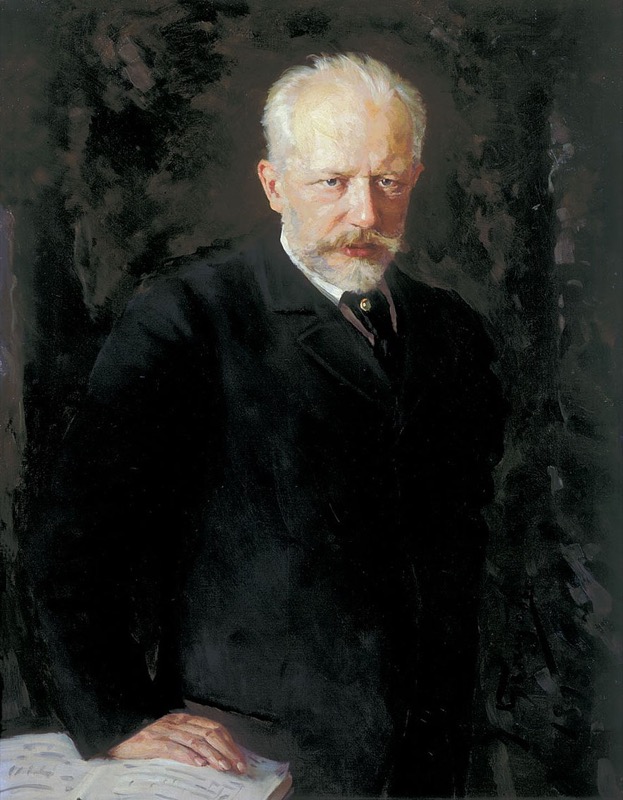
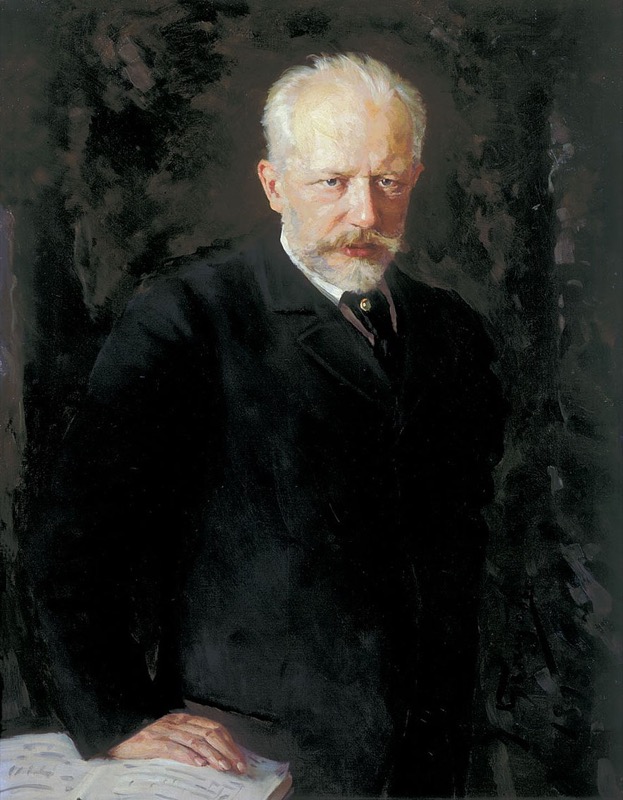
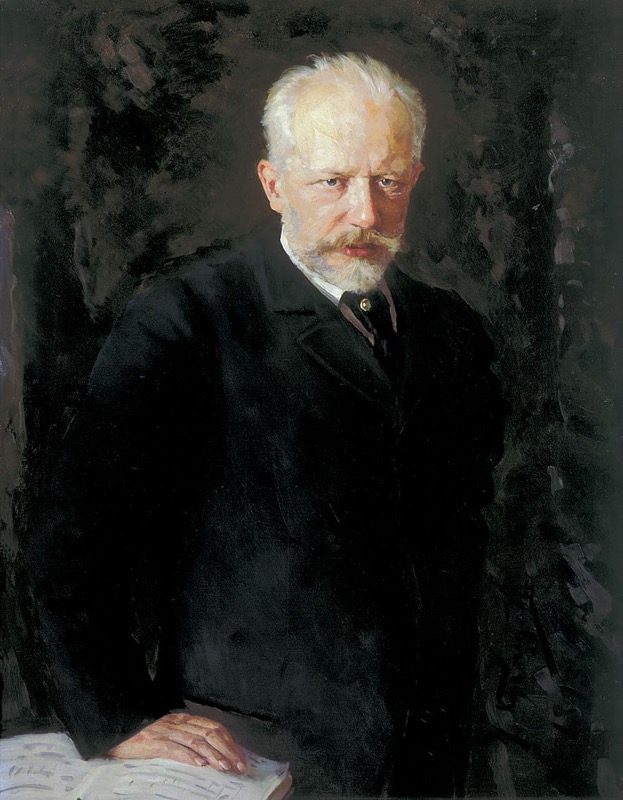
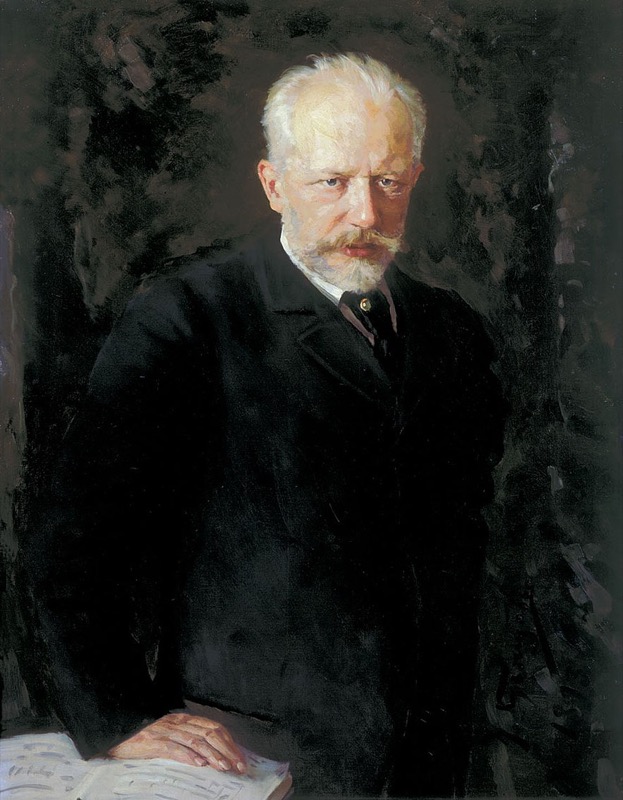
Tchaikovsky composed his Children's Album, Op. 39, in 1878 in just a few weeks, reportedly inspired by Robert Schumann's Album for the Young (Op. 68). He dedicated it to his nephew Vladimir Davydov and designed each of its twenty-four pieces to be playable by a child of modest ability while still carrying genuine musical substance. 'Morning Prayer' opens the collection as its very first piece - the first sound of the musical day.
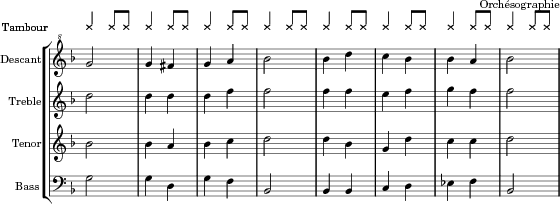
Set in G major with a hymn-like four-part texture, 'Morning Prayer' asks the young pianist to hold four voices steady and keep a soft, reverential dynamic from beginning to end. There is no development or drama; the piece simply states a prayer in music and closes. Tchaikovsky wrote it knowing that a child playing it would absorb, unconsciously, some of the basic vocabulary of Russian Orthodox chorale style.
Practice path
Balance four voices, not two hands.
The four-part texture means the hands share responsibility for the inner voices, which move between the two staves. Practice each of the four individual voices as a single melodic line before combining them, so you understand what each is doing harmonically. Once all four are assembled, the goal is an even blend where no single voice dominates - the soprano melody may lead slightly, but the texture should sound like a small choir, not a melody with accompaniment.
Score basis: Generated MusicXML from Mutopia MIDI. Public domain composition; Public Domain; MusicXML generated for Pianodemy. Attribution: Mutopia Project (https://www.mutopiaproject.org/TchaikovskyPI/O39/01MorningPrayer/).
MIDI source: Mutopia Project (https://www.mutopiaproject.org/TchaikovskyPI/O39/01MorningPrayer/). Public Domain.
Questions
Before you practice.
Short answers for learners and for searchers deciding whether this is the right version to start with.
01Is Morning Prayer Op. 39 No. 1 suitable for absolute beginners?
Yes - it is one of the most accessible pieces in the standard repertoire. The texture is a simple four-voice chorale in 3/4 time, the hands stay in a comfortable position, and the dynamic range is mostly soft, so the main challenge is tone quality rather than technique.
02How long is Tchaikovsky's Morning Prayer?
Just 24 measures, which at a gentle walking tempo takes under a minute to play - making it an ideal first complete piece for young or adult beginners.
03What key is Morning Prayer in?
G major, with a time signature of 3/4. The key keeps all the notes on white keys for most of the piece, which is part of what makes it so beginner-friendly.
How to use this V1
Soft, even, and unhurried throughout.
The dynamic should stay at piano or pianissimo from start to finish. Any accent or unintended stress will break the prayer-like mood immediately. Practice without the sustain pedal first to confirm each chord transition is clean, then add a shallow pedal to blend the harmony. The tempo should feel like a slow, deliberate breath - roughly quarter-note = 60 is a good starting point.
Keep going