Interactive piano piece
Learn Old French Song
A wistful G minor song from Tchaikovsky's Children's Album - its unhurried melody and simple two-voice texture make it one of the gentlest introductions to minor-key expression at the piano. The interactive desk loads the B minor score and lets you loop the haunting melody at half tempo - one of the most beloved pieces in Tchaikovsky's Children's Album and far more profound than its modest title suggests.
Browser MIDI check pending
Loading score...
Press Play for the full piece, or choose Opening and switch to Wait for note for guided right-hand practice.
About the piece
A melody old enough to feel like memory.
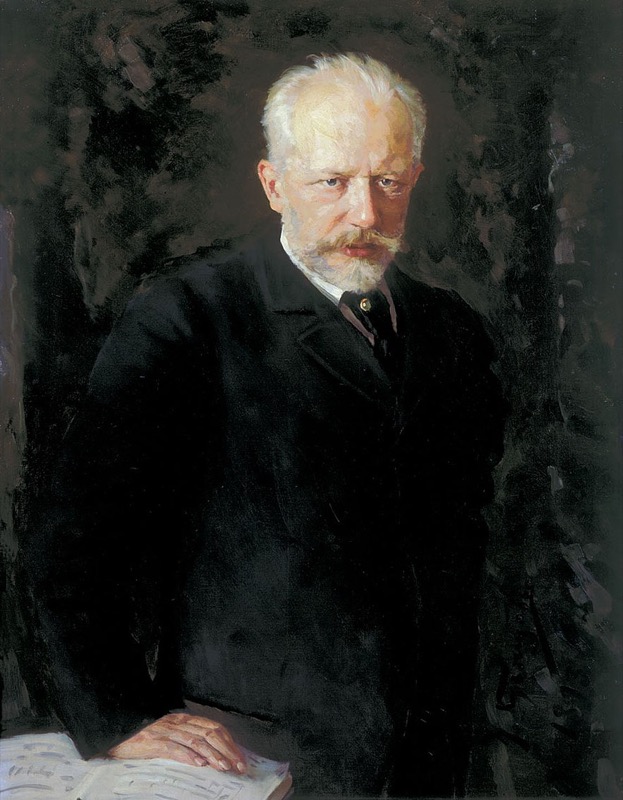
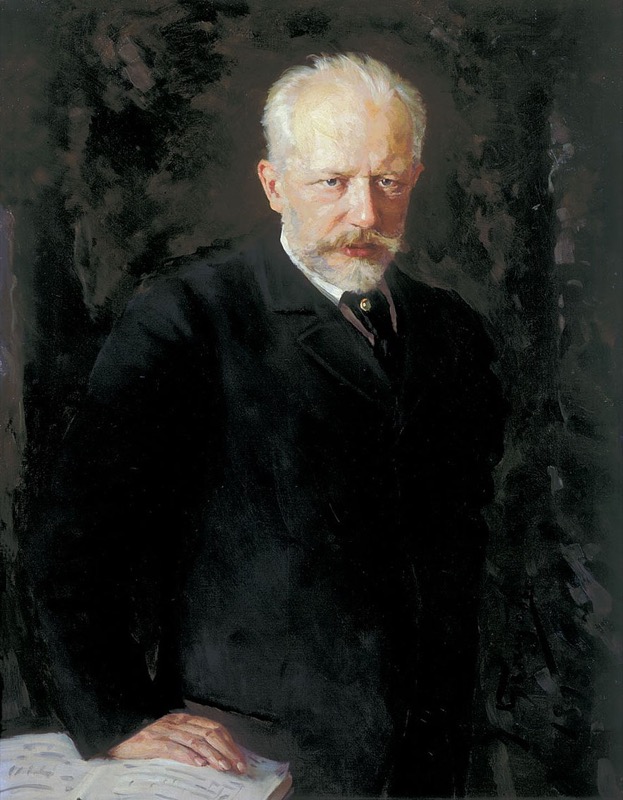
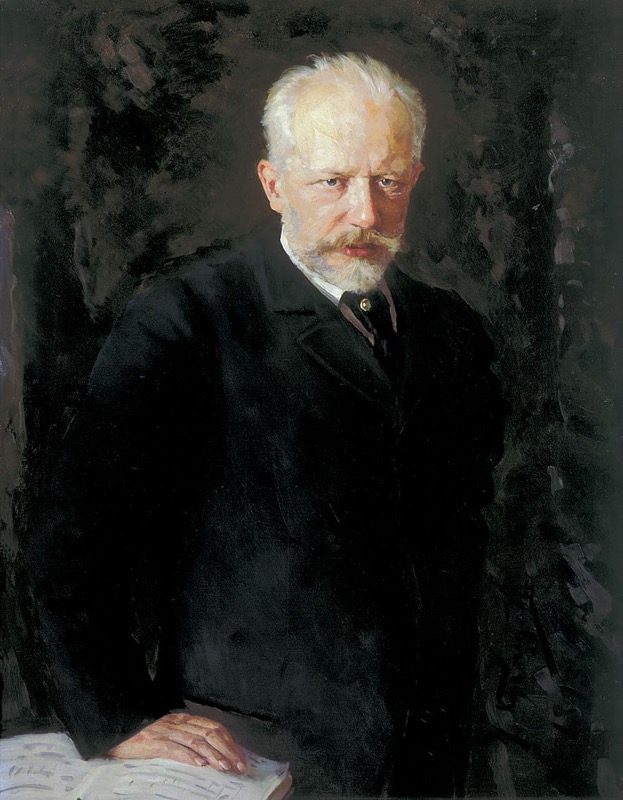
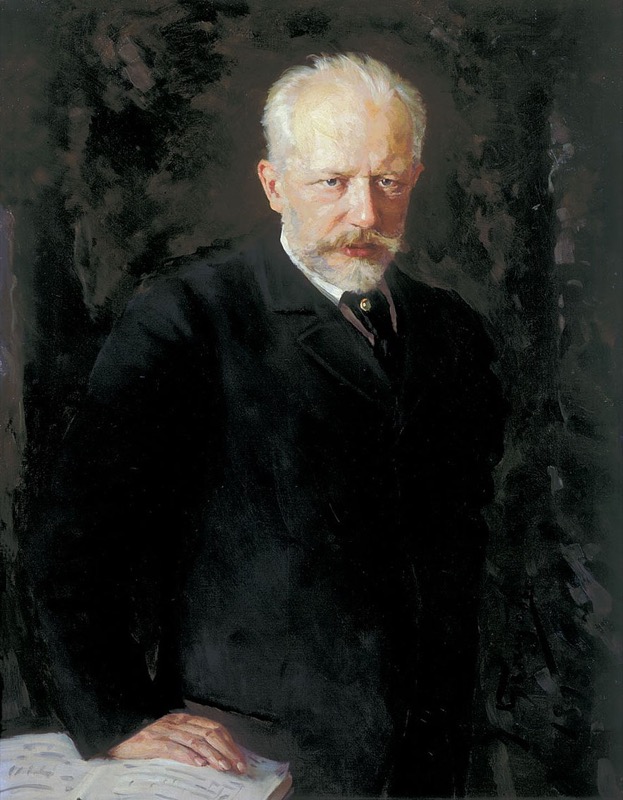
Op. 39 No. 16, the 'Old French Song', is one of the emotional peaks of Tchaikovsky's Children's Album, composed in 1878. Despite its title, the melody is not a transcription of an actual French folk tune but Tchaikovsky's own invention given the character of something ancient and half-remembered. Set in B minor, it has the modal quality of medieval plainchant filtered through a Romantic harmonic sensibility.
Tchaikovsky placed it late in the collection, after the child protagonist has danced, marched, been frightened by Baba-Yaga, and heard a folk song - the 'Old French Song' arrives as a moment of stillness and nostalgia. It became one of his most frequently performed and arranged pieces: the melody was used in his opera 'The Maid of Orleans' (also 1878) and has been transcribed for strings, choir, and chamber ensembles countless times since.
Practice path
Let the melody sing above everything else.
The right hand carries an unbroken melodic line for almost the entire piece, and the left hand's role is purely supportive. Practice the right-hand melody alone first, singing it as you play to find the natural phrase rises and falls. When adding the left hand, keep it at a noticeably softer dynamic than the melody - if a listener cannot identify the tune immediately, the balance is wrong. Loop the second phrase, where the melody rises to its highest point, to ensure the climax is reached naturally rather than forced.
Score basis: Generated MusicXML from Mutopia MIDI. Public domain composition; Public Domain; MusicXML generated for Pianodemy. Attribution: Mutopia Project (https://www.mutopiaproject.org/TchaikovskyPI/O39/16OldFrenchSong/).
MIDI source: Mutopia Project (https://www.mutopiaproject.org/TchaikovskyPI/O39/16OldFrenchSong/). Public Domain.
Questions
Before you practice.
Short answers for learners and for searchers deciding whether this is the right version to start with.
01How difficult is Old French Song Op. 39 No. 16?
It is solidly beginner level. The melody sits in a single position for the right hand and the accompaniment is a simple pattern in the left - the main skill being developed is expressive phrasing in a minor key.
02What is the time signature and tempo of Old French Song?
The piece is in 2/4 time and is typically played at a gentle moderato - around 60-70 beats per minute - giving each phrase room to breathe.
03Why does this piece sound sad?
Old French Song is written in G minor, a key with a naturally melancholic colour, and its stepwise melody and simple harmonies reinforce that sense of quiet nostalgia that Tchaikovsky associated with old folk tunes.
How to use this V1
Modal atmosphere needs restraint, not drama.
The B minor tonality has a particular archaic quality that disappears if you add too much rubato or dynamic contrast. Keep the tempo steady and the phrasing simple - the piece's power comes from the melody itself, not from interpretive additions. A very light sustain pedal, changed with each harmony, will give the sound warmth without blurring the modal colours.
Keep going