How to Play Jingle Bells on the Piano
Learn how to play Jingle Bells on the piano: the notes phrase by phrase, the one spot beginners lose the five-finger position, and how to keep it bouncing.

Every December, beginners - often kids who’ve been sitting through scales for weeks - want something that actually sounds like something. Jingle Bells is one of the easiest pieces to say yes to. It’s built almost entirely out of one repeated note, which makes it deceptively simple to start and slightly tricky to finish well.
The notes, phrase by phrase
Here’s one widely taught beginner arrangement, right hand only, in C major:
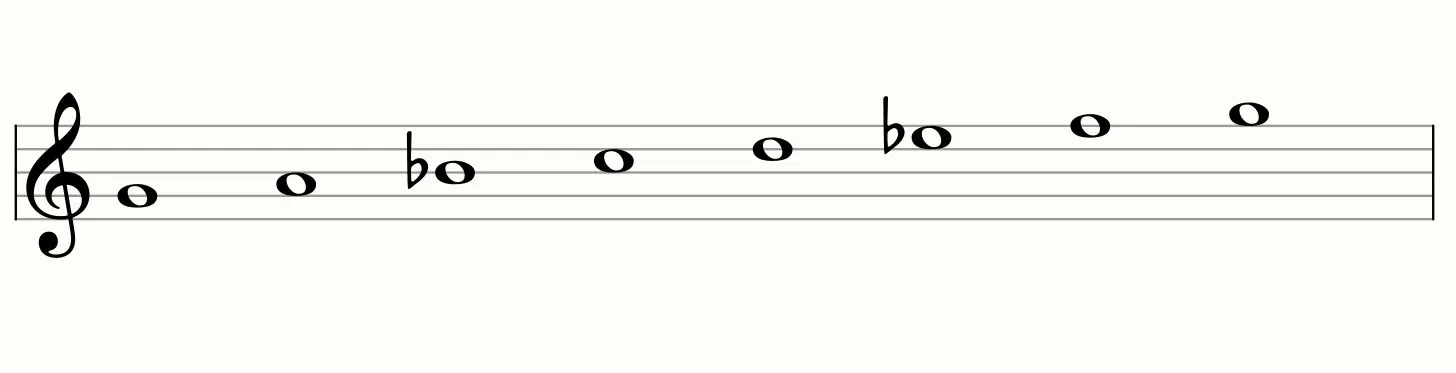
- “Jingle bells, jingle bells” - E E E, E E E
- “Jingle all the way” - E G C D E
- “Oh what fun it is to ride” - F F F F, F E E E
- “In a one-horse open sleigh, hey!” - E D D E D G
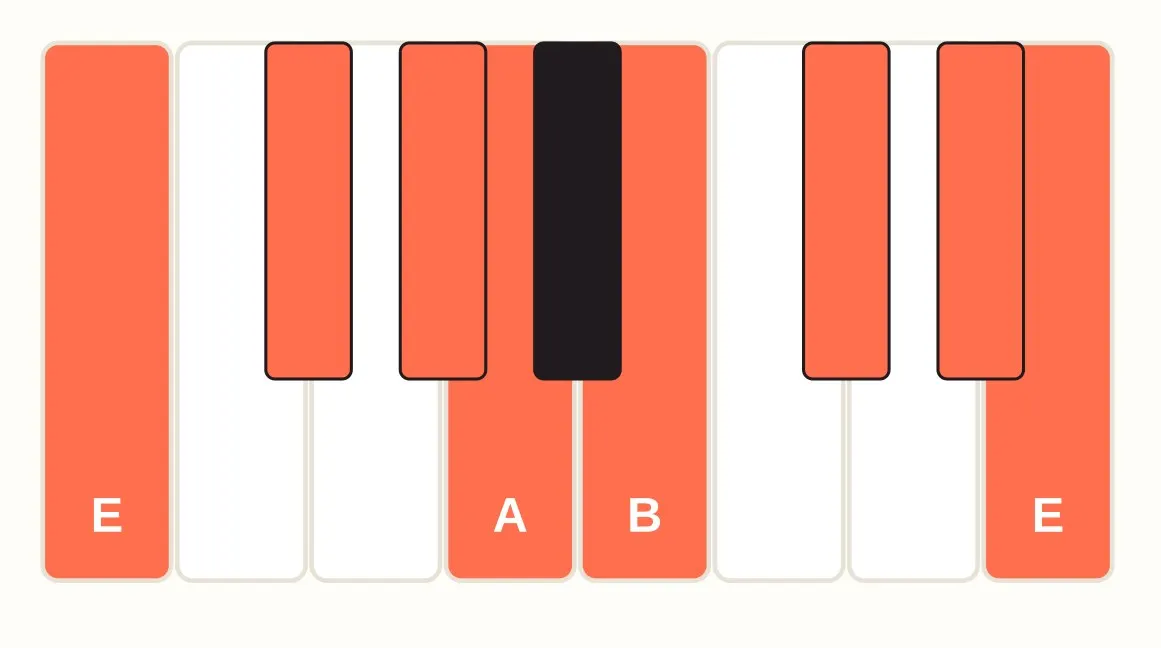
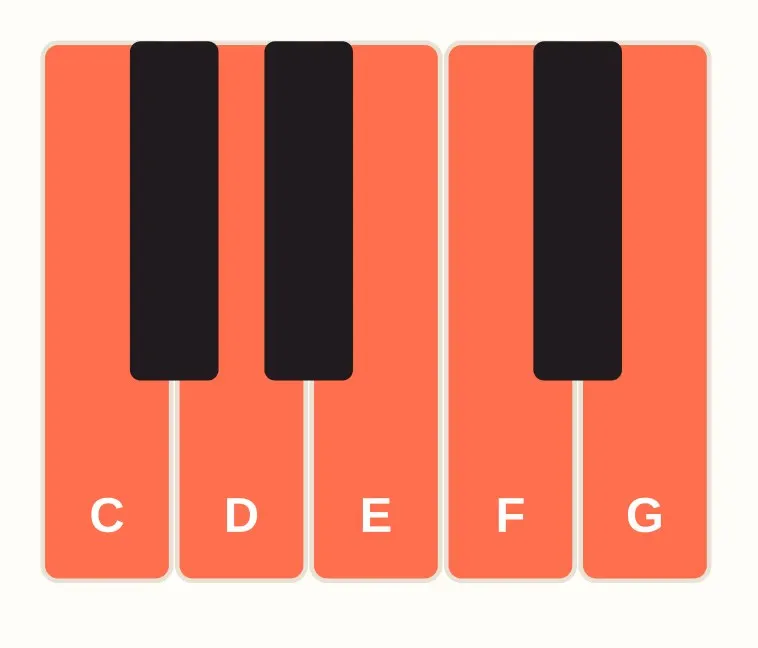
That first line is nothing but the note E, six times, in a five-finger hand position with the thumb on C. Anyone who can find middle C can play it inside a minute. The second line is where the song stops being a warm-up. After all those E’s, the melody jumps up to G under the fifth finger, then drops straight back down to C under the thumb - skipping over three fingers in between without the hand ever leaving that five-finger position.
Where beginners actually get stuck
It’s never the repeated notes. It’s the G-to-C skip in the second half of the first line. Students play the first six E’s clean, relaxed, right on the beat, and then that skip throws off their timing - not because the hand has far to travel, it doesn’t, the thumb never leaves the C it started on, but because jumping straight from the fifth finger to the thumb asks for a kind of finger independence a five-finger warm-up doesn’t build on its own.
A good drill is to isolate just four notes: E, G, C, and back down through D to E, played with the hand sitting still - finger 3 to 5 to 1 to 2 to 3, nothing else moving. Play that fragment alone, ten times, before ever attaching it to the “jingle bells, jingle bells” that comes before it. Once the skip lands cleanly on the beat, the whole first line locks together, and the second line’s F’s feel almost easy by comparison because the hand never had to move in the first place.
Keeping it bouncy, not stiff
The other thing that trips people up has nothing to do with notes. Jingle Bells is a dotted rhythm underneath the melody most beginner arrangements simplify away, and even in the plain version, the tune wants a light, lifted touch rather than six flat, even hits on that opening E. Play those repeated notes too evenly and it sounds like a metronome test, not a sleigh ride. A small accent on the first of each group of three E’s is usually enough to put the bounce back in without turning it into a whole rhythm lesson.

Photo by Saravana Sathish Settu on Unsplash
Metronome practice actually works against you here at first. Set it too rigid and you’ll play the phrase correctly and lifelessly. A better approach: learn the notes with the metronome, then turn it off for a few passes and just sing the words under your breath while you play - it puts the lift back where it belongs, right on “jin-” and “bells.”
After you’ve got it clean
Once the melody holds together on its own, a left hand doesn’t need to be complicated. Two chords carry the whole thing: C major under nearly the entire tune, and G held briefly under “sleigh” near the very end. That’s it. Save the fuller arrangements, pedal work, and swing feel for later - the goal here is a beginner playing a recognizable song with confidence, not a recital piece.
If you want more short repertoire to work through in the same spirit, Easy Piano Songs for Beginners has a dozen more like this one, ranked roughly by difficulty. And if there is a song you would rather be playing, give it to the Pianodemy Arranger and practise your own piano version.

Jingle Bells won’t teach you much about music theory. It will teach a beginner that their hands can move confidently around the keyboard, not just sit still on five notes - and that’s worth more than people give it credit for.
Play it here
Follow the score, slow down the playback, loop the first phrase, and try the notes on the clickable piano - right hand only to start.
Frequently asked questions
What are the piano notes for Jingle Bells?
One common beginner arrangement, in C major: E E E, E E E, E G C D E for the main line, then F F F F, F E E E, E D D E D G for the second half. The whole thing sits inside a five-finger C position - the E-G-C run is a skip from the fifth finger to the thumb, not a hand shift.
Is Jingle Bells hard for a beginner pianist?
The first line isn't - it's almost all repeated E's in one hand position. The line right after it is where people trip, because it asks the fifth finger to skip straight to the thumb, three fingers over, without the hand actually moving - that coordination catches people even though nothing travels far.
Was Jingle Bells originally a Christmas song?
No. James Lord Pierpont wrote it in 1857, originally titled 'One Horse Open Sleigh.' It's about a sleigh race, not a holiday, and it only got adopted as a Christmas standard later - which is part of why the lyrics never mention Christmas at all.
Do I need both hands to play Jingle Bells?
Not at first. Learn the melody alone in the right hand until the rhythm bounces on its own. A left hand can come later - even just two chords, the home chord and one built a fifth above it, is enough to make it sound finished.
How long does it take to learn Jingle Bells on piano?
Most beginners who already have a five-finger hand position down can play it within a few days of short daily practice. The repeated E's go fast; the finger skip in line two is usually what needs the extra repetition.