How to Play Ode to Joy on Piano
How to play Beethoven's Ode to Joy on piano: the melody's real shape, where beginners rush the phrasing, and how to add the left hand without losing the tune.
Beginners who have spent weeks on nothing but five-finger warm-ups are often surprised when Ode to Joy turns out to be the next piece. It looks too simple to be the famous tune. Beethoven built one of the most famous tunes in Western music out of notes any six-week beginner already knows, and it still manages to feel like a real accomplishment the first time it comes out clean, hands together.
The melody is simpler than its reputation
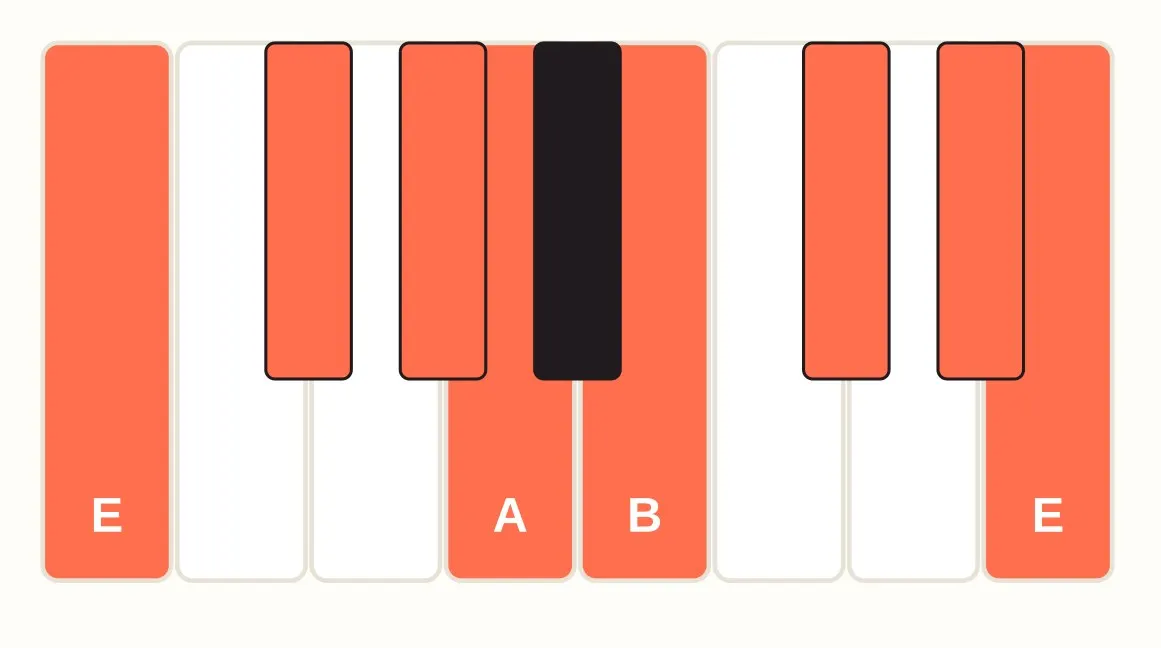
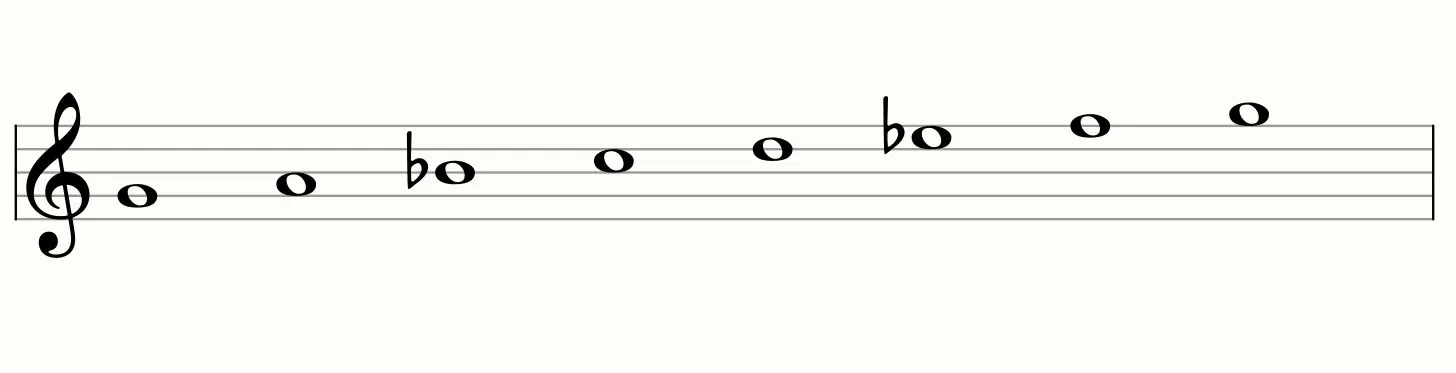
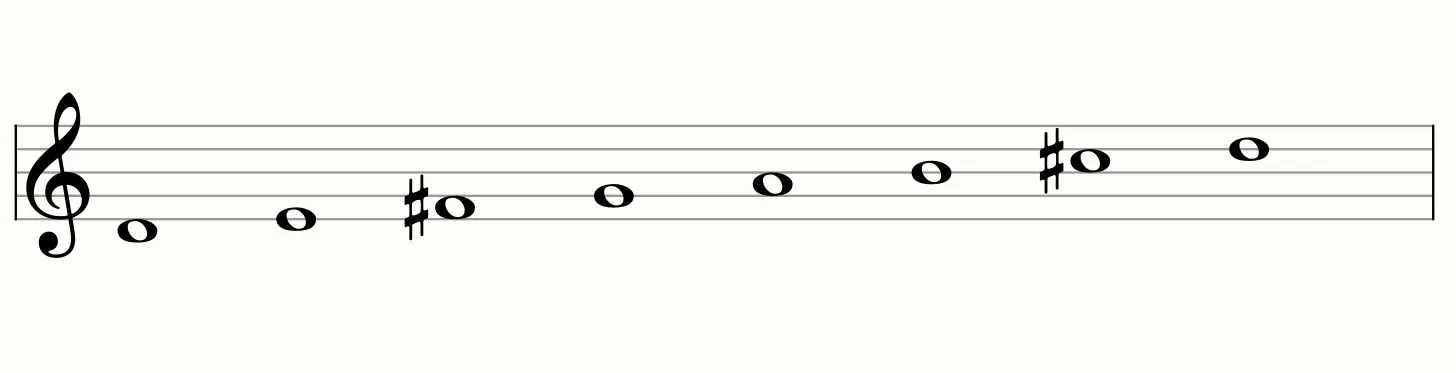
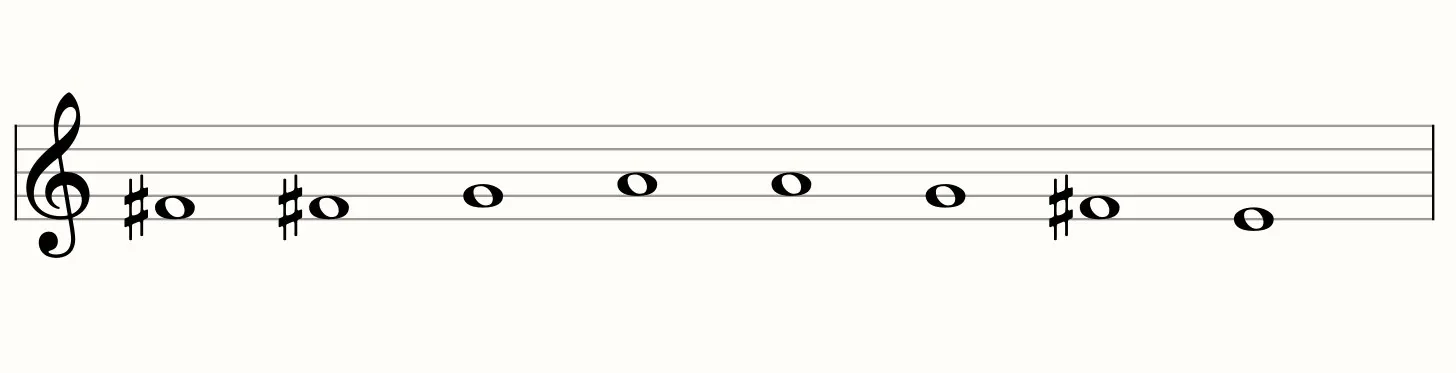
Strip away the orchestra and the chorus, and the theme from the Ninth Symphony’s finale is a stepwise tune with almost no leaps. In D major, the opening line runs F# F# G A, then A G F# E, then D D E F#, then F# E E with a small breath before it repeats. Every one of those notes lives inside a five-finger hand position. You are not chasing the tune around the keyboard. You are holding your hand still and letting the fingers do the work, the same discipline as Twinkle Twinkle or Mary Had a Little Lamb, just dressed up in a piece people actually recognize from outside a piano lesson.
A theme Beethoven carried for thirty years
He first set his sights on Schiller’s poem “An die Freude” back in 1793, intending to set it to music, years before any of the melody we now know took shape. He kept circling back to the idea across three decades before finally building the entire finale of the Ninth Symphony around it in 1824. The premiere was at the Kärntnertor Theatre in Vienna on 7 May that year. By then Beethoven was completely deaf. He stood beside the conductor beating time, hearing none of it, and had to be turned around by the contralto Caroline Unger to see the audience on its feet. He died three years later, leaving only sketches toward a tenth symphony that was never written. The theme went on to become the anthem of the Council of Europe in 1972 and of the European Union in 1985, which makes it one of the only pieces of pure instrumental music to carry that kind of political weight.
Where beginners actually rush it
Almost nobody struggles with the notes. What goes wrong is tempo. Because the melody is so familiar, beginners want to play it at full speed before the phrasing is settled, and the four-bar groups start running into each other instead of landing on their cadences. A better approach is to play the right hand alone at half tempo first, counting out loud in four, until each phrase actually stops before the next one starts. Only then does the left hand go in, one chord at a time, matched to the melody rather than layered on top of it. At three-quarters speed the two hands usually fight for a session or two, especially through the louder closing bars where both parts need to arrive on the same beat without either one rushing ahead.

Photo by Jacob McGowin on Unsplash
Bringing in the left hand without losing the tune
The left hand carries short chords under the melody, not a single sustained block, and the temptation is to bang them out at the same volume as the right hand, which buries the tune the piece is actually about. Keep the left hand quieter than the melody at all times, even when it feels too soft to be doing anything. A slightly under-confident accompaniment is better than one that drowns the line Beethoven spent thirty years shaping. When the two hands finally lock together at a real tempo, that balance is most of what makes it sound finished rather than just correct.

After it’s clean
This isn’t an ideal piece for a complete beginner’s first day. It helps to have Twinkle Twinkle Little Star or Mary Had a Little Lamb under your fingers first, so the left-hand chords here aren’t the very first time your hands have had to move independently. Ode to Joy works best as the second or third hands-together piece, not the first. Once it is solid, it is a natural bridge into pieces that ask for more from the left hand without changing the technical demands all at once.
If you want to hear the phrasing before you play it, the interactive Ode to Joy plays along with you, one hand at a time if you like, at whatever tempo you set.
Next time you sit down, skip the tempo entirely. Play just the first four bars, hands separate, slow enough to hear where the phrase actually lands. That’s the whole piece, said quietly, before anyone asks it to be triumphant.
Play it here
Follow the score, slow down the playback, loop the first phrase, and try the notes on the clickable piano - right hand only to start.
Frequently asked questions
What are the piano notes for Ode to Joy?
The famous opening line, in D major, moves entirely by step: F# F# G A, A G F# E, D D E F#, then F# E E with a short pause. Every note sits inside a five-note hand position spanning D to A, with F# as the only black key in the phrase.
Is Ode to Joy hard for a beginner pianist?
The melody alone is not - it is stepwise and narrow in range, which is exactly why Beethoven could build an entire symphonic finale out of it. What actually trips people up is coordinating a moving left-hand chord underneath the tune once both hands play together, especially through the louder ending section.
What key is Ode to Joy usually arranged in for piano?
This post walks through the melody in D major, the key Beethoven used in the symphony. The interactive arrangement on our Ode to Joy piece page is in G major, so there the tune starts B B C D.
Why is Ode to Joy such a common early piece?
It is one of the first tunes that rewards playing hands together rather than hands alone, and the left-hand part is slow enough that a beginner can add it without abandoning the melody they already know. It is also just recognizable enough that finishing it feels like an accomplishment.
Did Beethoven write Ode to Joy quickly?
No. He first intended to set Schiller's poem to music as early as 1793, then kept returning to the idea for roughly thirty years before finishing the Ninth Symphony's finale around it in 1824.