How to Play Twinkle Twinkle Little Star on the Piano
Learn how to play Twinkle Twinkle Little Star on the piano: the right-hand notes, a simple left hand, and the stretch that trips up most beginners.

Plenty of adult beginners pick this piece early, often not because they love the tune but because their kid does. That’s fine. It’s actually one of the better first pieces you can learn, for reasons that have nothing to do with how simple it sounds.
The notes, phrase by phrase
Right hand only, starting on middle C:
- “Twinkle, twinkle, little star” - C C G G A A G
- “How I wonder what you are” - F F E E D D C
- “Up above the world so high” - G G F F E E D
- “Like a diamond in the sky” - G G F F E E D
- “Twinkle, twinkle, little star” - C C G G A A G
- “How I wonder what you are” - F F E E D D C
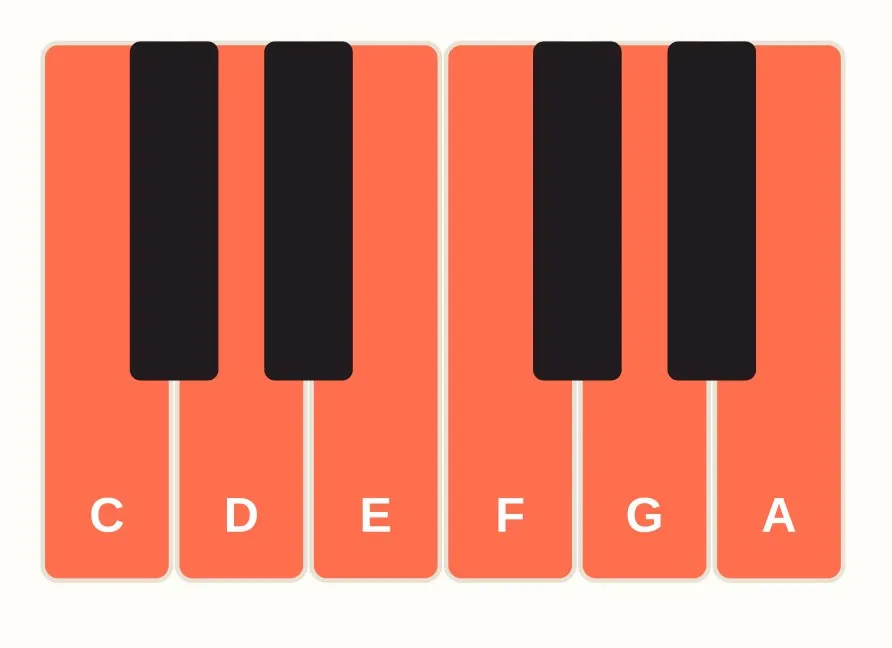
Notice the last note of each line runs long - the G in “star” and the C in “are” both get held about twice as long as the notes around them. Beginners tend to clip these short because they’re already thinking about the next line. Slow down there on purpose.
Where your hand actually sits
A standard five-finger hand position covers C to G: thumb on C, pinky on G, one finger per white key in between. That covers most of this piece. But the second half of the first line - “little star” - climbs up to A, one key past where your pinky sits. That’s the moment most students first feel a real stretch at the piano, and it’s worth naming out loud instead of pretending your hand should just reach it comfortably. It shouldn’t, not yet. Let your whole hand shift slightly toward A rather than only stretching the pinky; your thumb will drift a little off C, and that’s fine, since it settles back down for “how I wonder.”
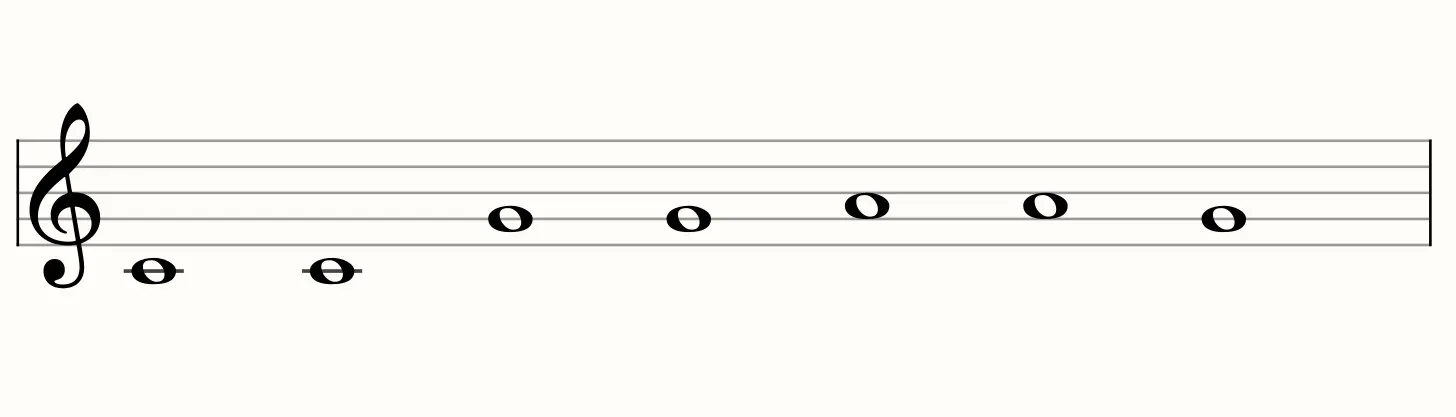
A common reason correct notes still sound stiff: the hand stays rigid in the C position and lunges for the A with just one finger. Loosen the wrist a little on that reach. It’s a small movement, but it’s the same kind of adjustment you’ll make constantly once pieces stop staying inside one five-finger box.
A simple left hand, once the melody is solid
You don’t need a left hand at all for the first week. When you’re ready to add one, keep it plain: hold a low C under the first two lines, shift up to a low G under “up above the world so high” and “like a diamond in the sky,” then back down to C for the repeat. Two chords, three changes, done. Resist the urge to add more just because you can reach it - a steady two-chord left hand under a clean melody sounds better than a busier one that wobbles.
Common mistakes worth fixing early
Playing every note the same volume. The repeated notes at the start of each line - C C, G G, A A - often get hit at identical force out of nerves. Let the second of each pair sit very slightly softer. It’s a tiny detail, but it’s the difference between a melody that breathes and one that sounds like a metronome.
Rushing the stretch to A. Students who feel that reach coming often speed up right before it, as if getting there faster will make it easier. It doesn’t. Keep the tempo even and let your hand arrive with time to spare.
Cutting the held notes short. Covered above, but it’s one of the most common beginner mistakes, so it’s worth repeating: those long notes at the end of each phrase need their full length, not a quick tap.
This piece pairs naturally with the other short pieces in Easy Piano Songs for Beginners - once the A-stretch here feels normal, the next one won’t surprise you. And if your kid has a different favourite, give it to the Pianodemy Arranger and you can both learn that one next.
Give yourself a few days on just the right hand before adding anything else. That stretch to A shows up again the very next time a piece asks your hand to move past a five-finger box.
Play it here
Follow the score, slow down the playback, loop the first phrase, and try the notes on the clickable piano - right hand only to start.
Frequently asked questions
What are the notes for Twinkle Twinkle Little Star on piano?
Right hand, starting on middle C: C C G G A A G, F F E E D D C, G G F F E E D, G G F F E E D, C C G G A A G, F F E E D D C. The last note of each phrase (the G in 'star' and the C in 'are') is held twice as long as the rest.
What key is Twinkle Twinkle Little Star usually taught in?
C major, because the whole melody sits inside the white keys from C to A. That's why it's almost always a student's first full piece - there are no sharps or flats to think about, only where your hand sits.
Do I need both hands to play it?
No. Plenty of beginners play it right-hand only for the first week, which is fine. Adding a simple left hand later (holding C, then G, then back to C) is a good next step once the melody is steady, not a requirement from day one.
Why does my hand feel stretched partway through?
The melody uses six different notes, C through A, which is one note wider than a standard five-finger hand position (C to G). Most beginners feel that stretch right on 'little star,' where the tune reaches up to A. That's normal - it's not a sign you're doing something wrong.
Is Twinkle Twinkle Little Star a good first piece for adult beginners?
Yes, for the same reason it works for kids: the melody is already memorized, so you can focus entirely on where your fingers land instead of also learning a new tune by ear. It's a short piece, but it teaches phrasing, held notes, and a hand-position stretch that shows up again in harder music.