Interactive piano piece
Learn 160 Eight-Measure Exercises No. 2, Op. 821
A 3/4 Allegro in C major that introduces triple metre coordination, training the left hand to keep a steady waltz pulse while the right hand moves independently. The practice desk's tempo control makes it straightforward to find the precise speed at which the waltz lilt appears naturally - and to hold there until it is automatic.
Browser MIDI check pending
Loading score...
Press Play for the full piece, or choose Opening and switch to Wait for note for guided right-hand practice.
About the piece
The same key, a new pulse - Czerny's first rhythmic shift.
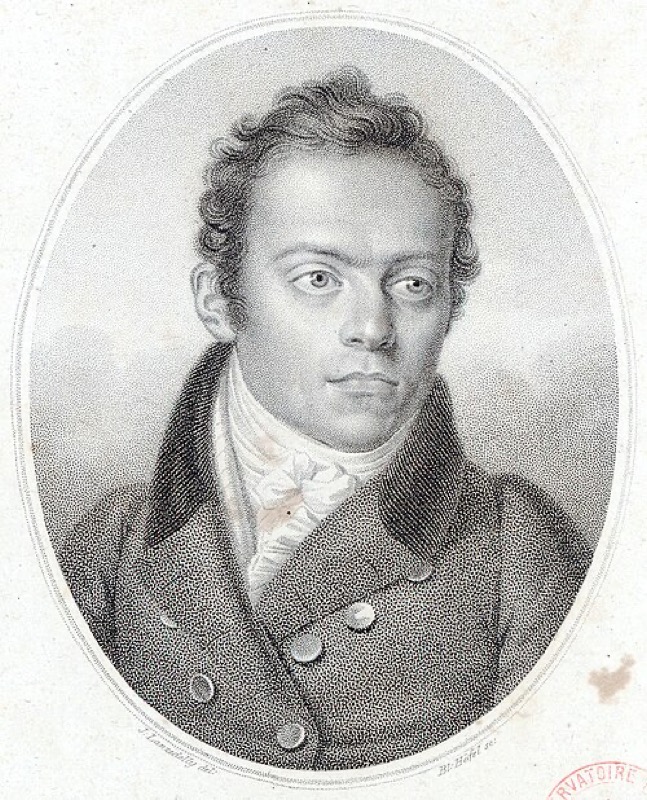
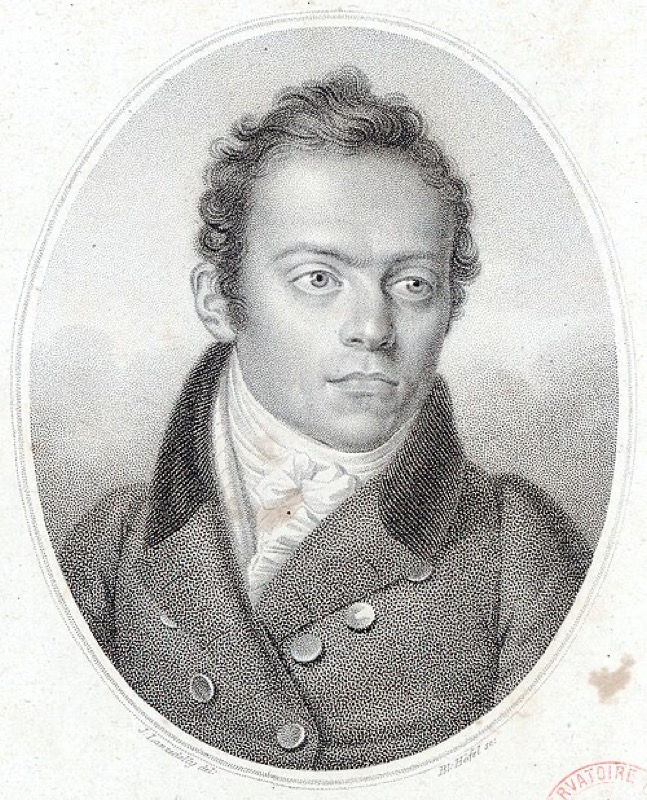
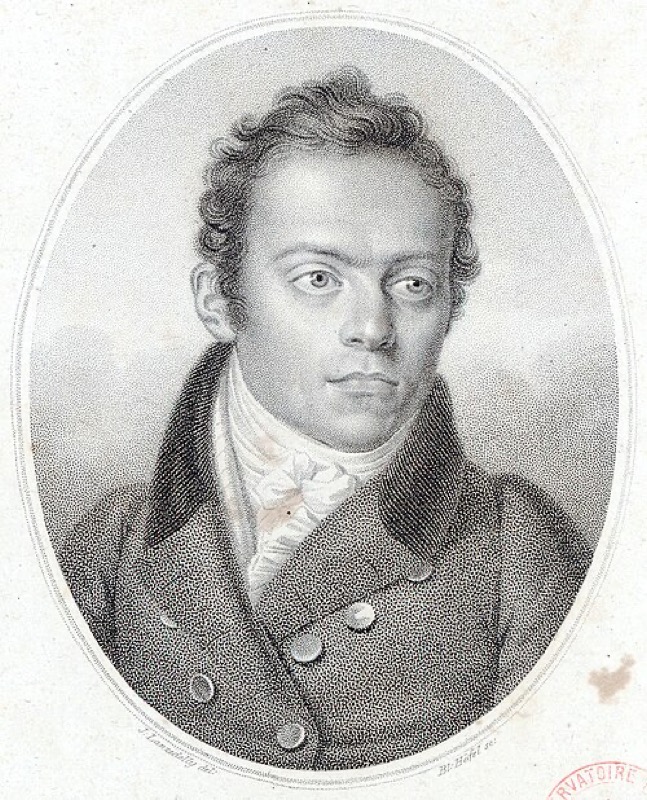
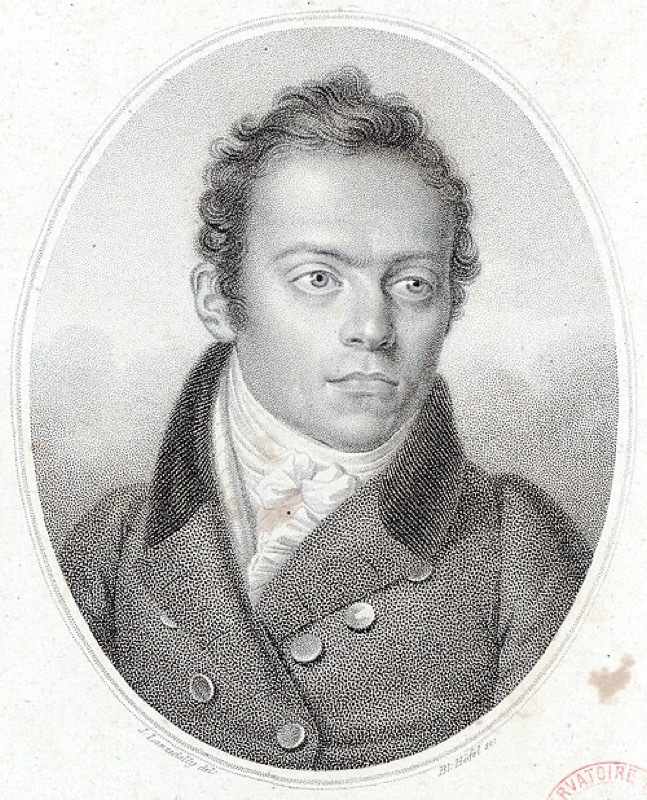
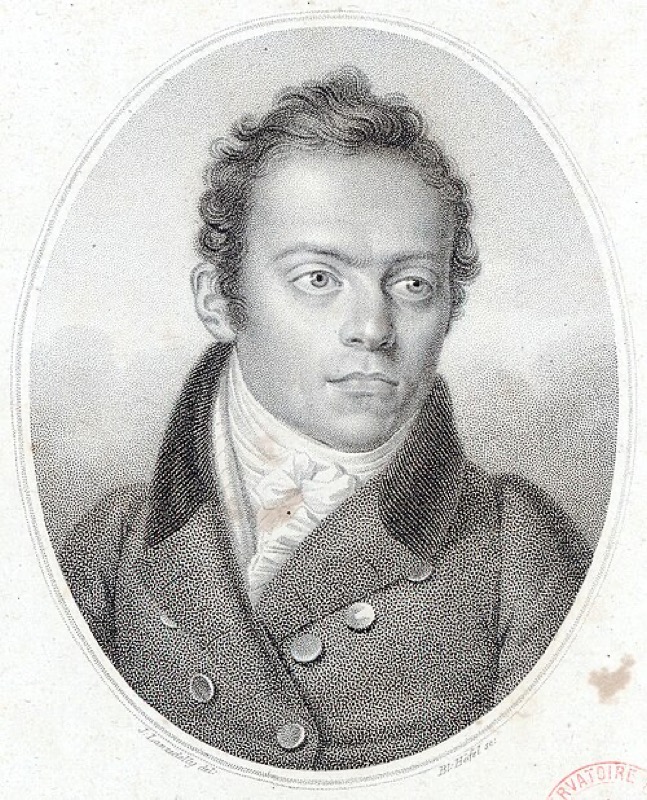
Carl Czerny trained under Beethoven in Vienna and later shaped the technique of Franz Liszt and a generation of pianists through meticulous graded exercise books. His 160 Eight-Measure Exercises, Op. 821, form the most systematic of these collections, cycling through metres, keys, and technical demands in a carefully sequenced tour of beginner-to-intermediate challenges.
No. 2 stays in C major but immediately changes the metre to 3/4 at Allegro. The move is deliberate: Op. 821 is not a scale-and-arpeggio drill but a survey of rhythmic contexts. The waltz pulse here demands that the left hand keep a light, bouncing one-beat-per-bar feeling rather than counting three heavy pulses - a coordination skill that is distinct from anything No. 1 demands.
Practice path
Feel one broad beat per bar, not three.
Before touching the keys, conduct three bars with your hand - one big swing per bar. Keep that broad rhythmic sweep active in your body while your fingers move. If you count individual eighth notes aloud the lilt collapses into plodding: the goal is to feel the bar as a single forward motion subdivided into three, not three equal claps.
Score basis: Generated MusicXML from Mutopia MIDI. Public domain composition; Public Domain (CC0) - Mutopia; MusicXML generated for Pianodemy. Attribution: Mutopia Project (https://www.mutopiaproject.org/cgibin/piece-info.cgi?id=2061).
MIDI source: Mutopia Project (https://www.mutopiaproject.org/cgibin/piece-info.cgi?id=2061). Public Domain (CC0) - Mutopia.
Questions
Before you practice.
Short answers for learners and for searchers deciding whether this is the right version to start with.
01What technique does Czerny Op. 821 No. 2 develop?
It builds coordination in 3/4 triple metre, with an emphasis on keeping a light waltz pulse in the left hand and an even touch in the right. The short format forces immediate rhythmic accuracy with no room to drift.
02Can complete beginners attempt Czerny Op. 821?
Students who can read basic notation and maintain a steady beat will find the early exercises in Op. 821 accessible. No. 2 is a good second step after No. 1, adding only the challenge of triple metre.
How to use this V1
Watch the left hand's first beat.
The most common error in 3/4 exercises is a heavy, accented beat one in the left hand that turns a waltz into a march. At 65% tempo, play the left hand alone and target a light, rebounding touch on every beat - beat one should not be heavier than two or three. Once the left hand bounces freely, add the right hand and let the waltz groove emerge naturally. Section-loop the bar where heaviness creeps back.
Keep going