Interactive piano piece
Learn 50 Melodische Übungsstücke No. 10, Op. 840
A 32-measure study in E minor that marks the close of Op. 840's first major tonal arc, asking for genuine emotional depth through careful phrasing and sensitivity to the piece's harmonic surprises. Use the section loop on the practice desk to isolate the harmonic pivot points in No. 10 - hearing each unexpected chord repeat several times at 60% tempo is the fastest way to absorb the colour change before incorporating it into the full performance.
Browser MIDI check pending
Loading score...
Press Play for the full piece, or choose Opening and switch to Wait for note for guided right-hand practice.
About the piece
The first Op. 840 study that asks you to listen to the harmony.
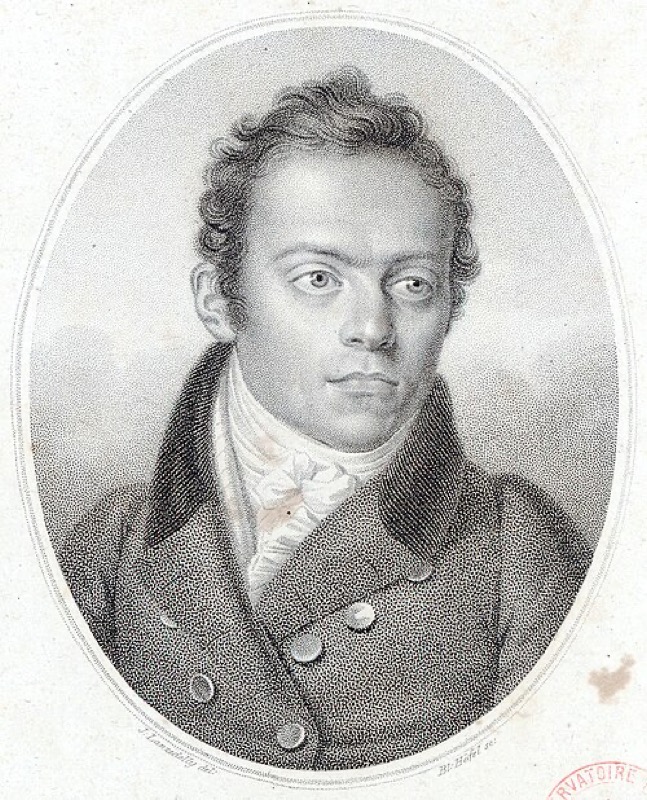
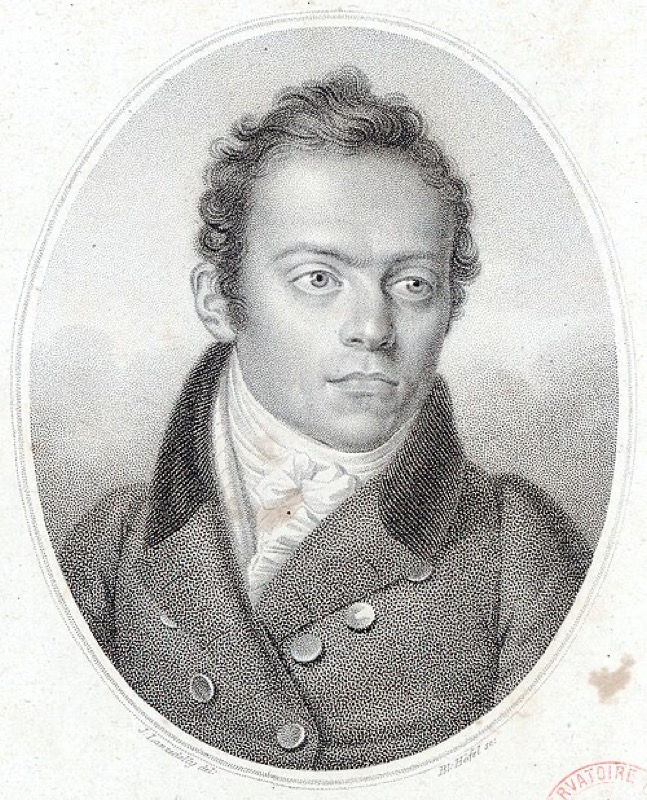
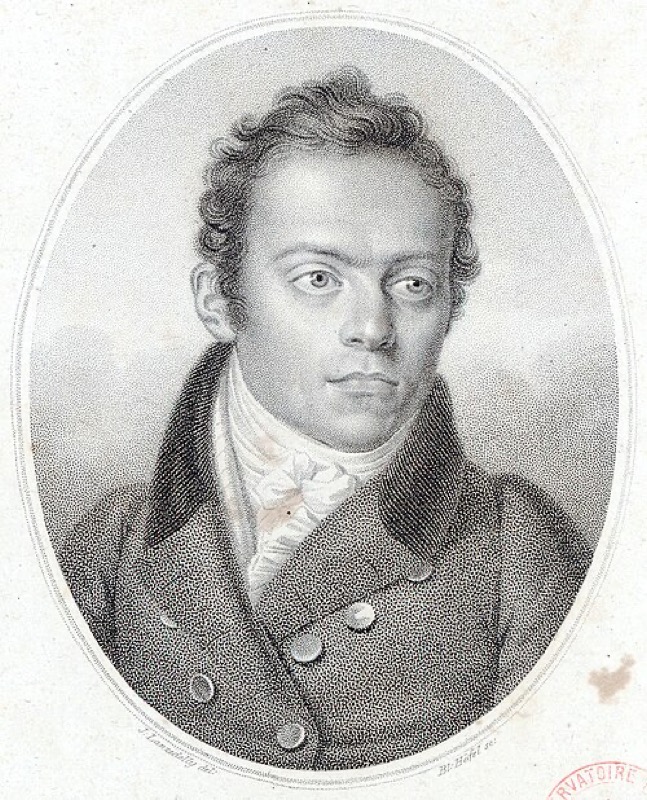
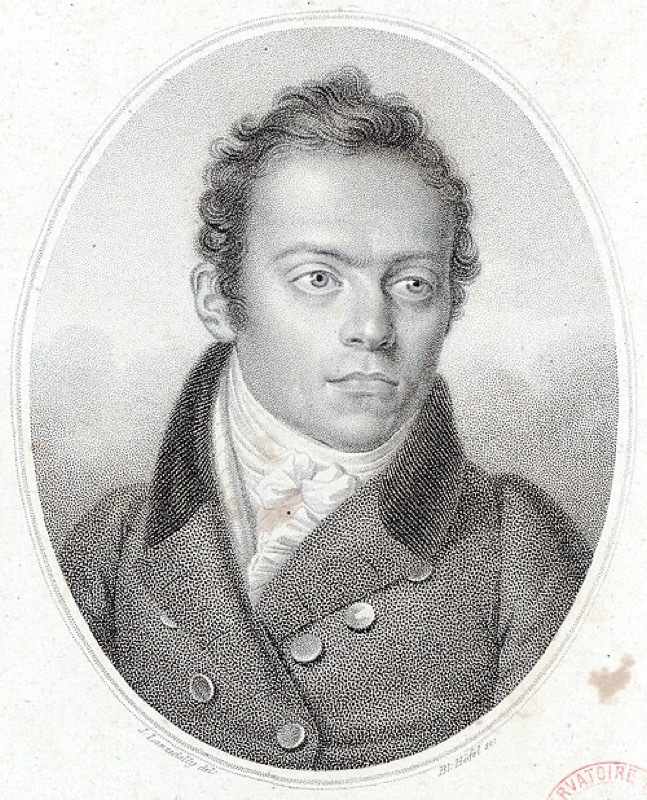
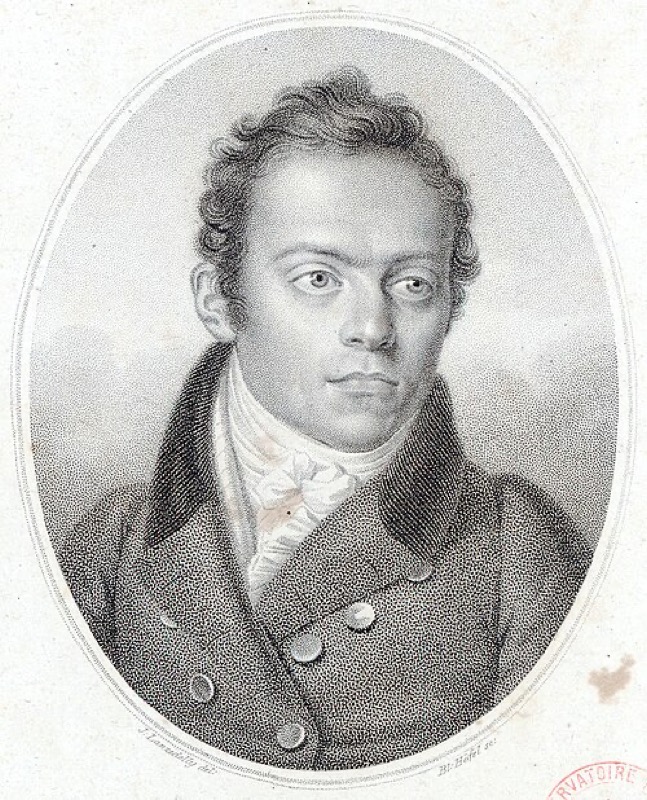
Carl Czerny - who spent formative years with Beethoven and later shaped Franz Liszt's pianism - designed the Melodische Übungsstücke, Op. 840, as a graded progression in musical maturity as well as technical command. The first nine pieces ask the student to develop tone quality, balance, legato, and key fluency; No. 10 introduces a new demand: active harmonic listening. In E minor, with its characteristic Romantic expressive weight, the study contains harmonic surprises that require the student to respond in real time - not just with a dynamic change, but with a genuine colour shift in their tone.
E minor is a key Czerny would have associated with some of the most intimate and searching music of the era - a key that invites expressivity beyond surface dynamics. No. 10 is accordingly the most musically demanding study in the first section of Op. 840, marking a step up in emotional maturity even though the notes remain technically accessible to a late beginner. The student who plays it well is ready for more complex Romantic repertoire.
Practice path
Let every harmonic change alter your touch.
Before playing, identify every chord that sounds surprising or unexpected - a chromatic harmony, an unexpected major chord in the minor context, or a pivot to the relative major. Mark those bars. When you reach them in performance, let them change your touch quality slightly: warmer at a major surprise, more searching at a chromatic one. This is a different instruction from 'play louder or softer' - it is about tonal colour, not dynamic level.
Score basis: Generated MusicXML from Mutopia MIDI. Public domain composition; Public Domain (CC0) - Mutopia; MusicXML generated for Pianodemy. Attribution: Mutopia Project (https://www.mutopiaproject.org/cgibin/piece-info.cgi?id=2177).
MIDI source: Mutopia Project (https://www.mutopiaproject.org/cgibin/piece-info.cgi?id=2177). Public Domain (CC0) - Mutopia.
Questions
Before you practice.
Short answers for learners and for searchers deciding whether this is the right version to start with.
01What makes Czerny Op. 840 No. 10 more advanced than the earlier pieces?
E minor introduces a sharper harmonic palette, and the study demands attention to expressive nuance at the harmonic level - not just melodic phrasing. This makes it a step up in musical maturity even though the notes themselves remain technically accessible.
02Is Czerny Op. 840 No. 10 suitable for a student finishing beginner level?
Yes, it is rated late-beginner. A student who can play Nos. 1-9 comfortably will find No. 10 manageable technically, but will be challenged to bring out its expressive depth - which is exactly the point.
How to use this V1
Harmonic colour is not the same as dynamic change.
Students often interpret 'be more expressive' as 'play louder at the climax.' In No. 10, the expressive opportunities lie in the harmonic surprises, not in a single dynamic peak. At 65% tempo, identify each unexpected chord, then practice the two bars surrounding it with an explicit colour intention - decide in advance what quality the chord should have, and match your touch to that decision. Use the section loop on those two-bar windows until the colour shift is natural rather than deliberate.
Keep going