Interactive piano piece
Learn 50 Melodische Übungsstücke No. 4, Op. 840
A flowing minor-key study in G minor that introduces the darker, more expressive character of Op. 840, with a sustained right-hand melody over rolling left-hand arpeggios across 64 measures. The practice desk's section loops are especially useful across this 64-measure study - the longer form rewards working in four-bar segments, and the tempo slider lets you settle the left-hand arpeggio texture before adding the melody.
Browser MIDI check pending
Loading score...
Press Play for the full piece, or choose Opening and switch to Wait for note for guided right-hand practice.
About the piece
The first turn to minor - and the first long-form melody.
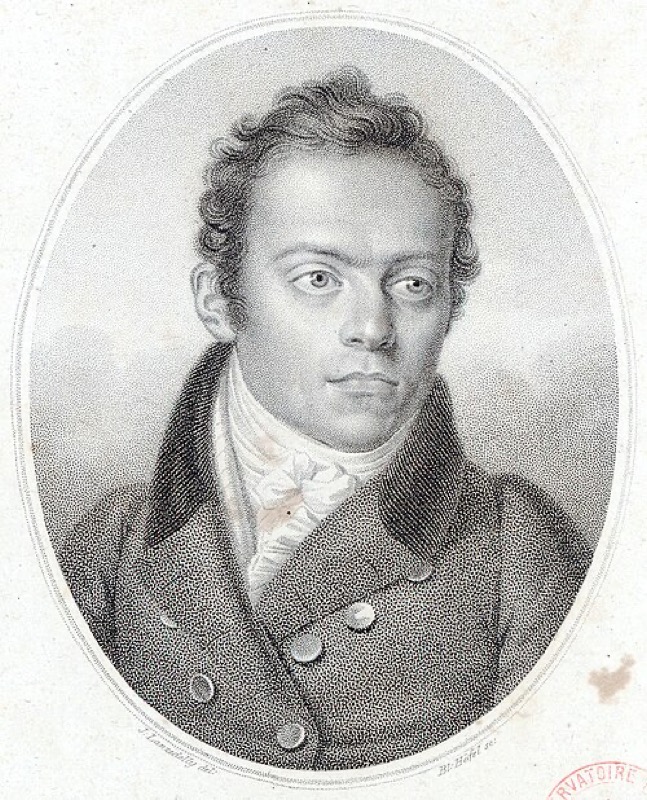
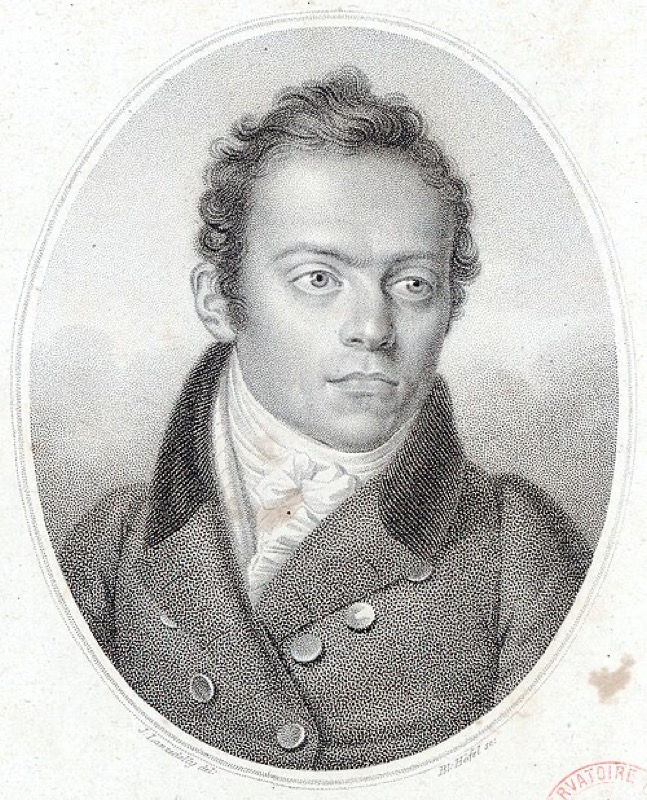
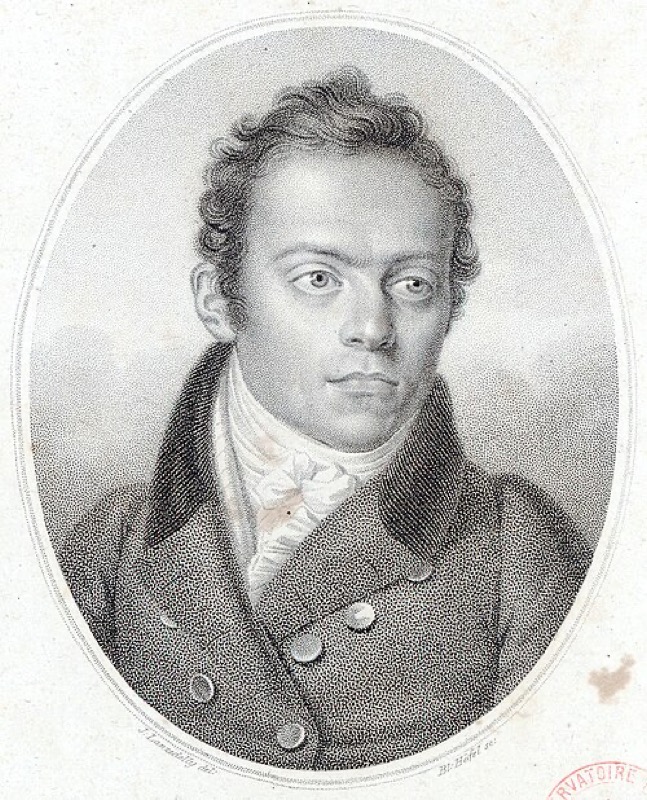
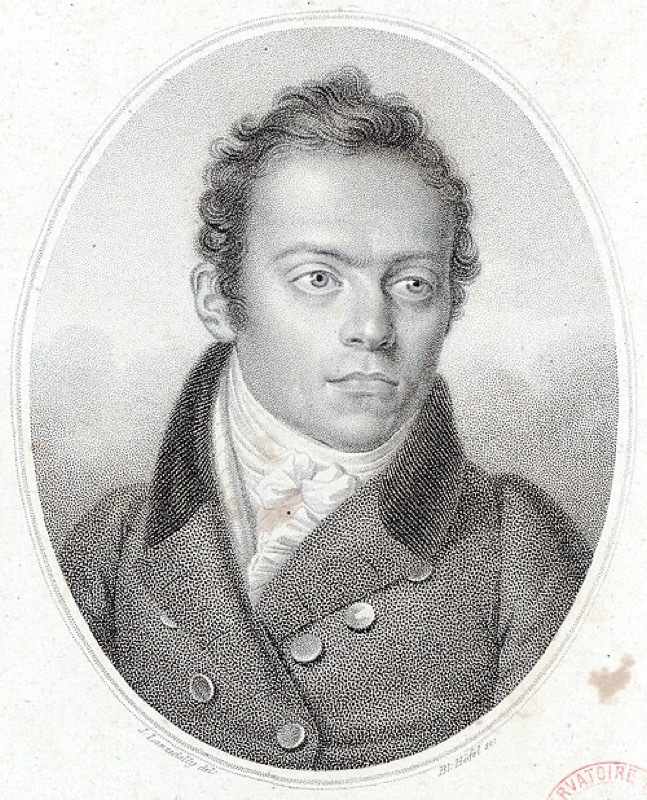
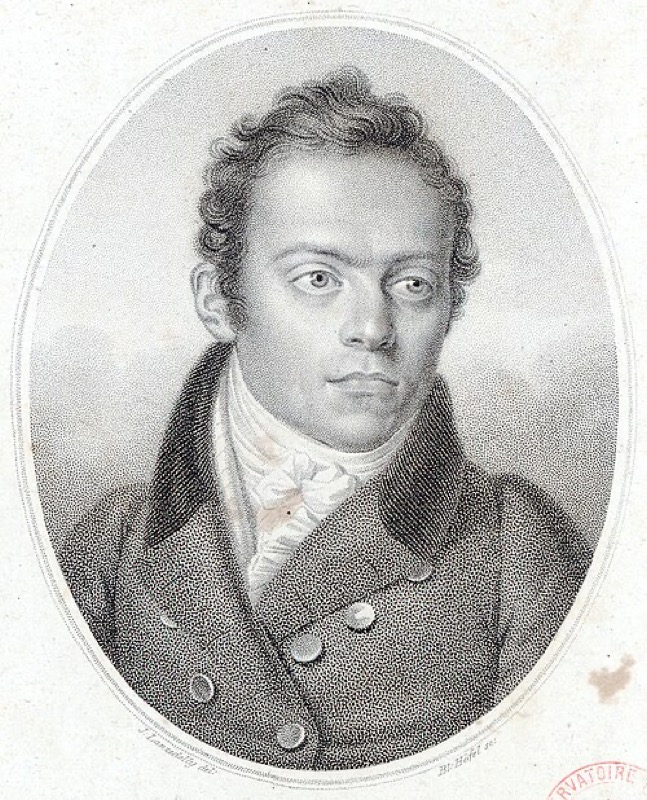
Carl Czerny (1791-1857) spent three years studying with Beethoven in Vienna before becoming the most prolific piano pedagogue of the nineteenth century. His Melodische Übungsstücke (Melodic Study Pieces), Op. 840, were designed as a graded exploration of cantabile playing - each piece expanding the student's harmonic range and textural command while keeping the primary demand on tone quality and musical expression. The first three pieces stay in bright major keys; No. 4 marks the set's decisive turn into minor.
G minor introduces the first sustained emotional darkness in Op. 840, and the 64-measure length - the longest study so far - gives that minor tonality space to develop rather than pass quickly. The left-hand writing shifts to rolling arpeggios that require a transparent, harp-like quality beneath the melody. The student who has learned to project a melody over a steady bass in Nos. 1-3 must now learn to project it over a moving, more complex accompaniment texture.
Practice path
Make the arpeggios disappear beneath the melody.
Practice the left hand alone until each arpeggio figure flows with a completely even touch and no accent on the top note of the figure - the most common beginner error. The target is a texture that feels like a harmonic haze rather than individual notes. Only then add the right-hand melody and let it float above that haze. Work in four-bar segments before linking them into the full 64-measure arc.
Score basis: Generated MusicXML from Mutopia MIDI. Public domain composition; Public Domain (CC0) - Mutopia; MusicXML generated for Pianodemy. Attribution: Mutopia Project (https://www.mutopiaproject.org/cgibin/piece-info.cgi?id=2149).
MIDI source: Mutopia Project (https://www.mutopiaproject.org/cgibin/piece-info.cgi?id=2149). Public Domain (CC0) - Mutopia.
Questions
Before you practice.
Short answers for learners and for searchers deciding whether this is the right version to start with.
01What does Czerny Op. 840 No. 4 develop?
It trains minor-key cantabile in the right hand alongside controlled left-hand arpeggio accompaniment. At 64 measures it is also the longest study so far in the set, building sustained concentration alongside technical control.
02Why is G minor important for beginner pianists?
G minor is one of the most common minor keys in the beginner and early-intermediate repertoire. Czerny's No. 4 offers a structured way to absorb the two flats and the characteristic melodic and harmonic patterns of the key.
How to use this V1
Transparent arpeggios, projected melody.
At any tempo where the left-hand arpeggio is audible as a sequence of individual notes rather than a continuous harmonic wash, slow down and practice the left hand alone. The top note of each arpeggio figure has the greatest tendency to pop - consciously drop the weight on it. Over 64 measures, arpeggio transparency must be maintained consistently; use the section loop on any segment where the left hand starts competing with the melody.
Keep going