Interactive piano piece
Learn 50 Melodische Übungsstücke No. 5, Op. 840
A gentle Andante in C major that asks for a warm, slow-paced legato melody - one of the most purely lyrical entries in Op. 840, spanning 40 measures without a single fast passage. The practice desk's tempo slider at a slow, fixed Andantino tempo makes it easy to listen critically to the legato connection between each note - faster playback would mask the gaps this study is designed to expose.
Browser MIDI check pending
Loading score...
Press Play for the full piece, or choose Opening and switch to Wait for note for guided right-hand practice.
About the piece
Pure singing tone - nowhere to hide a mechanical touch.
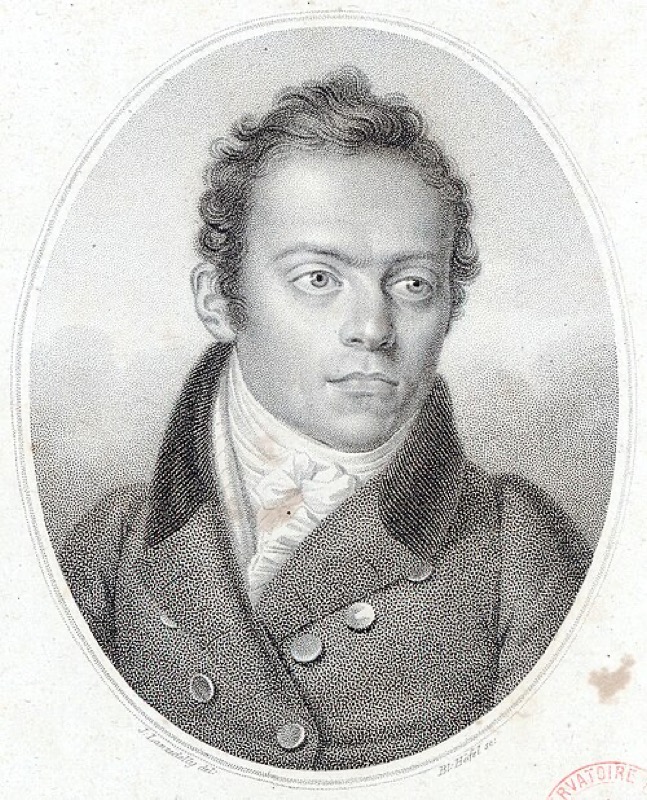
Carl Czerny understood from his years with Beethoven that mechanical accuracy and musical expression are separate skills that must each be practised deliberately. His Melodische Übungsstücke, Op. 840, prioritise expression from the outset, and No. 5 represents the set's most purely lyrical demand: an Andante in C major, 40 measures, with no fast passages, no complex accompaniment textures, and no harmonic distractions - only the quality of the melodic tone.
After No. 4's longer, darker G minor study, the return to C major at a slow Andante is a deliberate contrast. Czerny uses the slower tempo to make tone quality unavoidable: at Andante, every connection between notes is fully audible, every mechanical coldness is exposed, and the sustain pedal cannot disguise the absence of genuine finger legato. No. 5 is the study in Op. 840 that most directly asks: can this student make the piano sing?
Practice path
Sing it before you play it.
Hum or sing the right-hand melody through completely before touching the keys. Notice the warmth, the natural rise and fall, the way one note connects directly to the next without a gap. That is the tone quality to match at the keyboard. Play the melody alone at Andante and record a phrase: if the recording sounds colder or more mechanical than your singing, the legato needs more work before the left hand is added.
Score basis: Generated MusicXML from Mutopia MIDI. Public domain composition; Public Domain (CC0) - Mutopia; MusicXML generated for Pianodemy. Attribution: Mutopia Project (https://www.mutopiaproject.org/cgibin/piece-info.cgi?id=2150).
MIDI source: Mutopia Project (https://www.mutopiaproject.org/cgibin/piece-info.cgi?id=2150). Public Domain (CC0) - Mutopia.
Questions
Before you practice.
Short answers for learners and for searchers deciding whether this is the right version to start with.
01What skill does Czerny Op. 840 No. 5 build?
Slow, sustained legato in C major. At Andante, every connection between notes is audible, and the study forces students to develop genuine finger legato rather than relying on the sustain pedal.
02How many measures is Czerny Op. 840 No. 5?
It is 40 measures - longer than the shortest Op. 840 pieces but shorter than the expanded studies like No. 4 (64 measures). The length gives the melody time to develop naturally without becoming a marathon.
How to use this V1
Legato is a physical skill, not a pedal setting.
Genuine legato means holding each key down until the next key is depressed - no gap, no overlap. At Andante, practice the melody with the sustain pedal unplugged or raised, so every connection is made purely by fingers. Only once finger legato is reliable should the pedal be used to add warmth rather than to cover gaps. Use the section loop on any phrase where the melody sounds disconnected, and check that each finger holds its key until the next finger lands.
Keep going