Interactive piano piece
Learn 50 Melodische Übungsstücke No. 7, Op. 840
A bright, dance-like study in G major spanning 56 measures, building right-hand velocity and a natural flow through broken-chord accompaniment - the longest and most energetic piece in the early Op. 840 sequence. The practice desk's section loop and tempo slider are essential tools for this 56-measure study - dividing the piece into four-bar practice segments and building each one to tempo before linking them is the most efficient route to a clean full run.
Browser MIDI check pending
Loading score...
Press Play for the full piece, or choose Opening and switch to Wait for note for guided right-hand practice.
About the piece
The longest and brightest study in the early Op. 840 sequence.
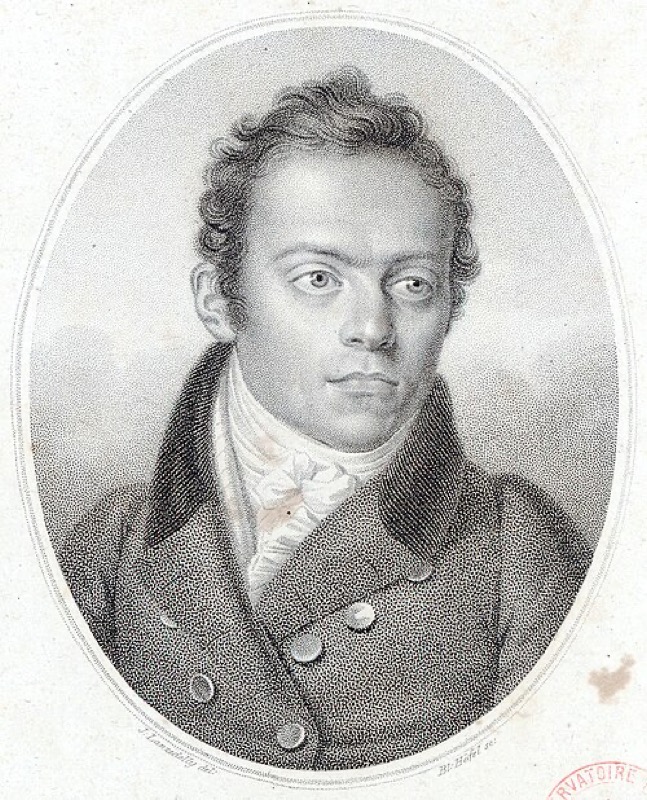
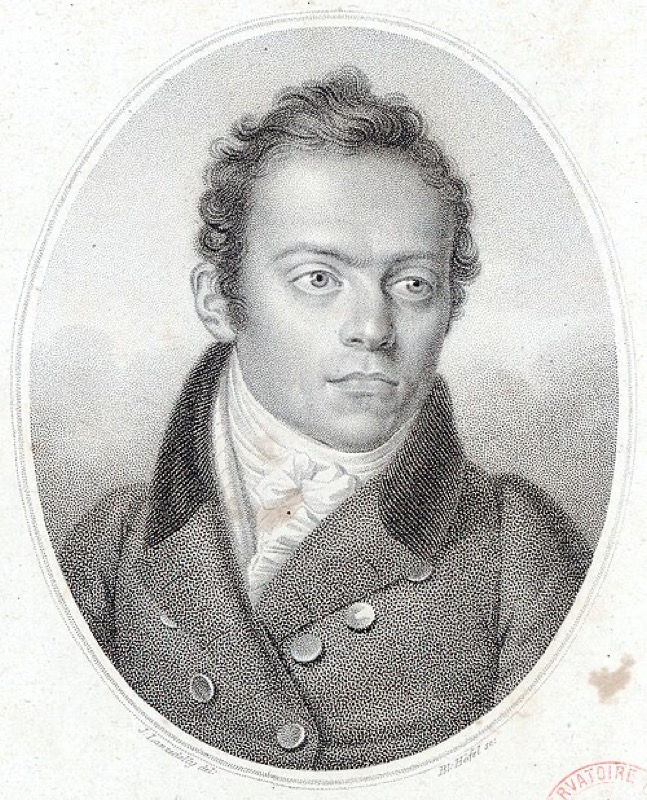
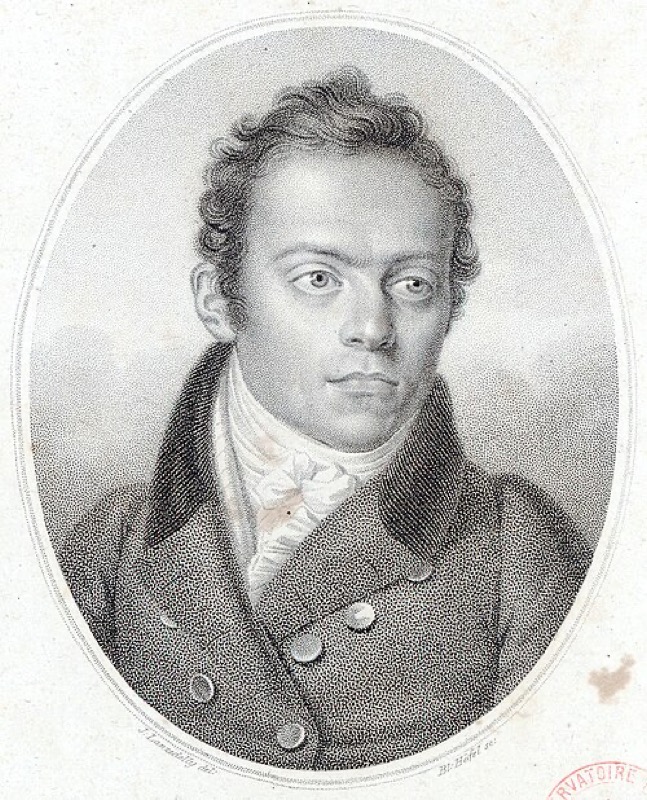
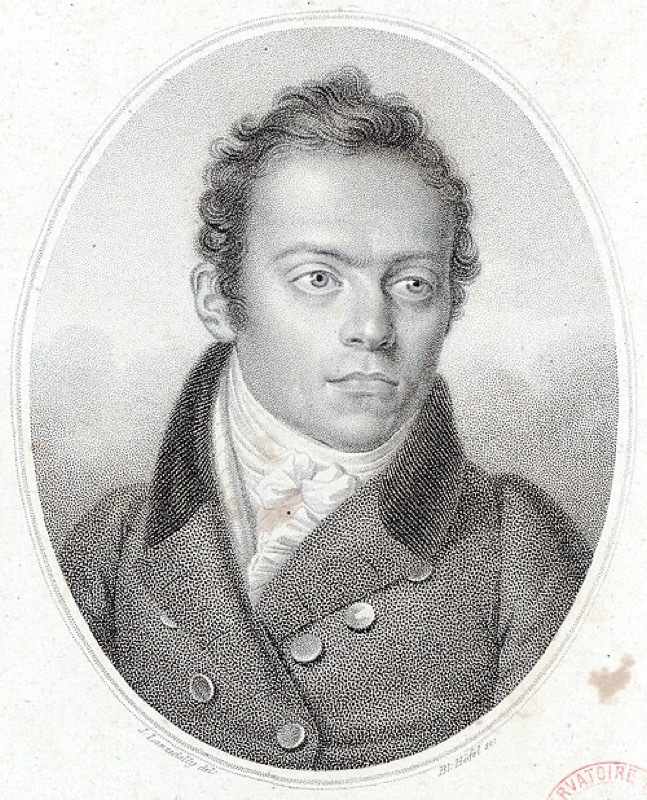
Carl Czerny designed the Melodische Übungsstücke, Op. 840, as a systematic expansion of the student's musical and technical range, with each piece introducing a slightly different character or texture. Trained by Beethoven and later the teacher of Franz Liszt, Czerny understood that endurance - sustaining quality over an extended form - is a skill as distinct as tone production or hand balance, and one that requires deliberate practice.
No. 7 returns to G major, Czerny's favoured key for his easier instructional collections, but at 56 measures it is the longest study in the early Op. 840 sequence and notably more energetic than its predecessors. The right hand carries a bright, dance-like melody while the left hand works through flowing broken-chord accompaniment figures. The combination builds right-hand melodic velocity alongside left-hand fluency - and, over 56 measures, builds genuine sustained stamina alongside both.
Practice path
Work in four-bar chunks before linking the full arc.
Divide the 56 measures into four-bar segments and master each segment individually before linking them. Start at 70% tempo, work each chunk to a clean performance at that speed, then link the first four chunks into 16 measures, then 32, then the full piece. Stamina - the ability to maintain consistency across all 56 measures - must be built gradually: a single exhausted run through all 56 does less good than six clean runs through the first 16.
Score basis: Generated MusicXML from Mutopia MIDI. Public domain composition; Public Domain (CC0) - Mutopia; MusicXML generated for Pianodemy. Attribution: Mutopia Project (https://www.mutopiaproject.org/cgibin/piece-info.cgi?id=2152).
MIDI source: Mutopia Project (https://www.mutopiaproject.org/cgibin/piece-info.cgi?id=2152). Public Domain (CC0) - Mutopia.
Questions
Before you practice.
Short answers for learners and for searchers deciding whether this is the right version to start with.
01How long is Czerny Op. 840 No. 7?
It spans 56 measures - significantly longer than the 32-measure studies earlier in the set. This gives beginners genuine sustained-practice experience within a musically coherent, manageable piece.
02What technique does Czerny Op. 840 No. 7 focus on?
Right-hand melodic velocity paired with smooth broken-chord accompaniment in the left hand. The G major tonality and dance-like character make the technical work feel naturally musical rather than like an isolated drill.
How to use this V1
Stamina is a technical skill.
Rest the hand between chunk sessions if the forearm begins to tighten. Tension that accumulates quietly across 56 measures will suddenly collapse in the final bars - the sign is a melody that becomes louder or more effortful in the last phrase. If that happens, the stamina is not yet built. Practice sections near the end of the piece at the start of the session when the hand is fresh, then work backward to the opening.
Keep going