Interactive piano piece
Learn 50 Melodische Übungsstücke No. 8, Op. 840
A 32-measure moderato in C major that trains the critical two-voice balance skill: projecting a clear, singing right-hand melody while keeping the left-hand harmonic support consistently quieter and smoother. The interactive desk's tempo control makes two-voice balance work especially productive - at 60% the volume disparity between hands is easy to hear and adjust; raising tempo gradually confirms the balance is holding.
Browser MIDI check pending
Loading score...
Press Play for the full piece, or choose Opening and switch to Wait for note for guided right-hand practice.
About the piece
One melody, one support - and the hardest thing in beginner piano.
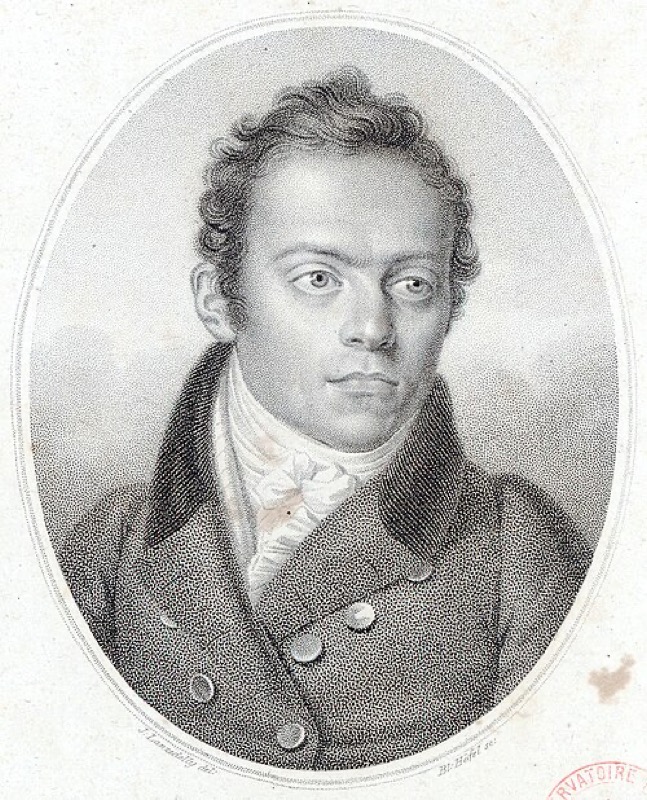
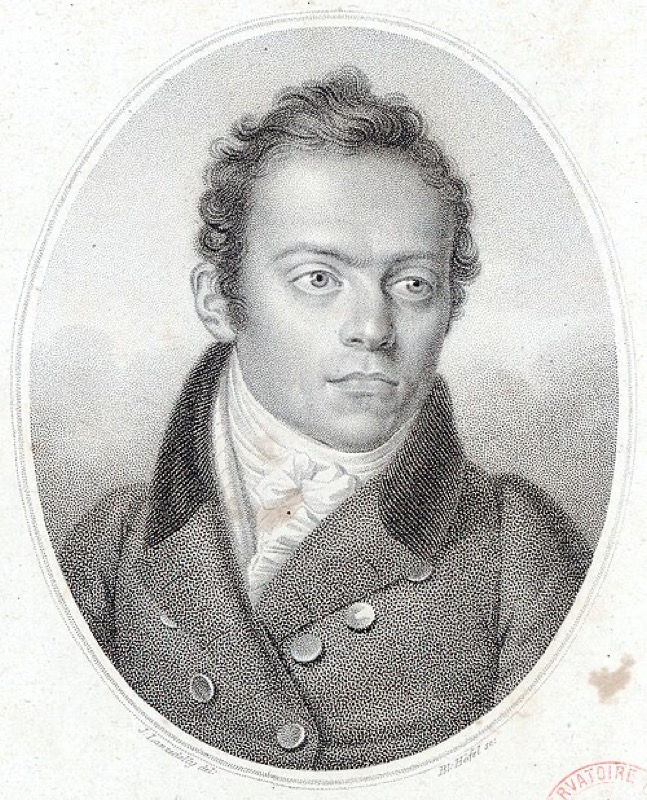
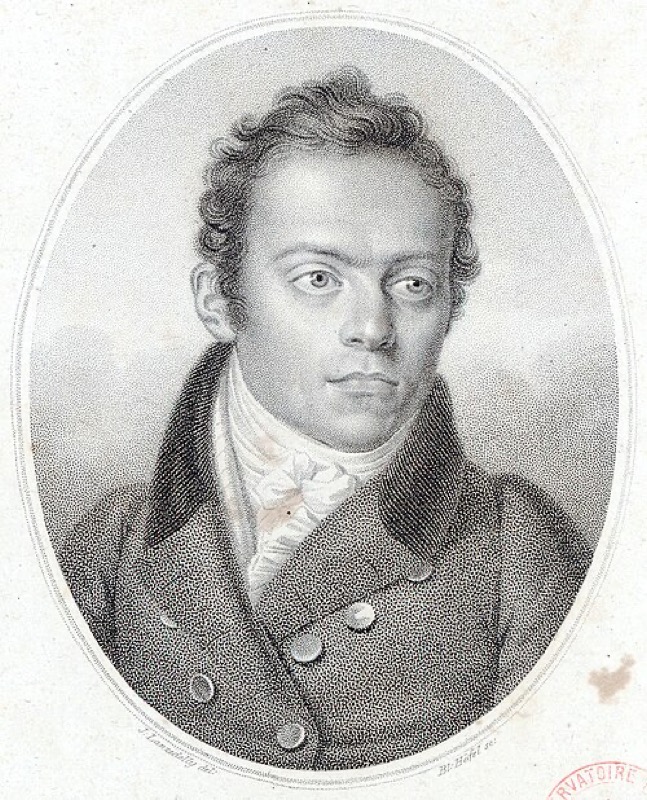
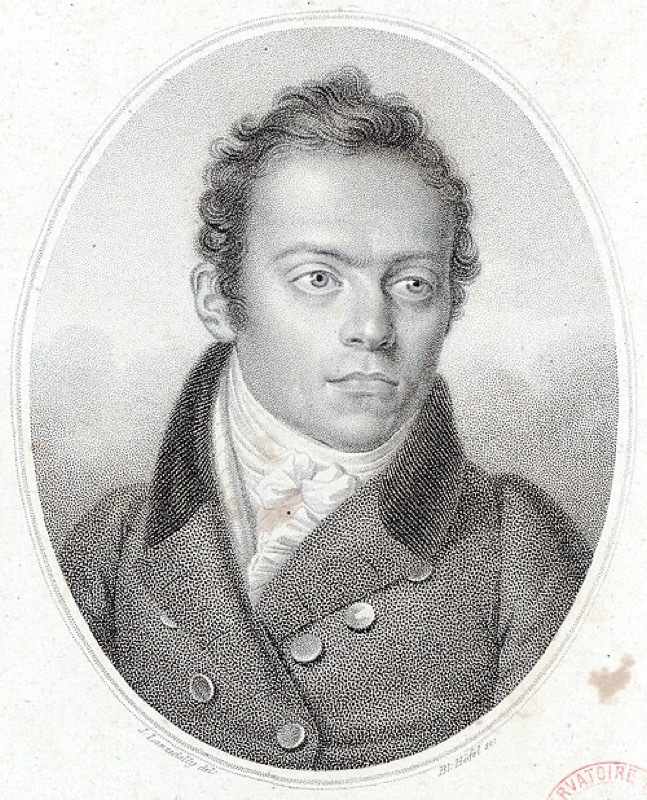
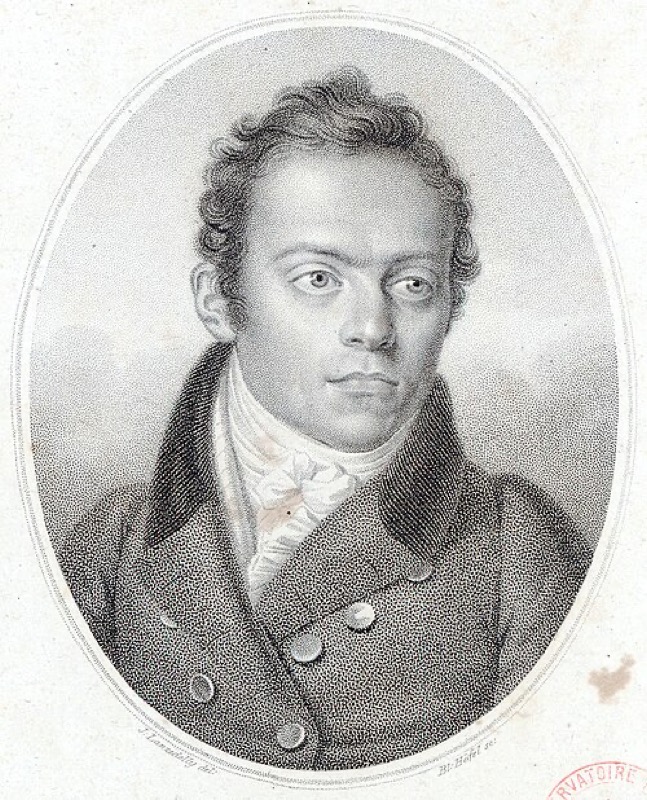
Carl Czerny - Beethoven's pupil and Liszt's teacher - knew that two-voice balance, the ability to project a singing melody while keeping the accompanying hand consistently quieter, is one of the most counterintuitive skills in piano playing. Both hands naturally tend toward equal volume, and the effort of playing in tempo pushes them further toward parity. His Melodische Übungsstücke, Op. 840, address this throughout the set; No. 8 isolates it as the single explicit focus.
Set in C major at a Moderato across 32 measures, No. 8 provides the clearest possible context for the balance exercise: no harmonic complexity, no texture challenges, no key-reading demands. The entire piece is a vehicle for one question - can the right hand sing out while the left hand provides support without competing? The simplicity of everything else means the auditory feedback is immediate and unmistakeable.
Practice path
Set the left hand to half the volume of the right.
Practice the left hand alone and target the softest touch possible while keeping the notes clear. Then play the right hand alone at a full, singing tone. Combine both hands and immediately check: the melody should sound as though the left hand is barely present as a separate layer. If you can hear the accompaniment as a distinct rhythmic or harmonic pattern, reduce its volume further. At Moderato, this balance should be maintainable without effort - if it requires constant active suppression of the left hand, slow down and rebuild the balance at a lower speed.
Score basis: Generated MusicXML from Mutopia MIDI. Public domain composition; Public Domain (CC0) - Mutopia; MusicXML generated for Pianodemy. Attribution: Mutopia Project (https://www.mutopiaproject.org/cgibin/piece-info.cgi?id=2153).
MIDI source: Mutopia Project (https://www.mutopiaproject.org/cgibin/piece-info.cgi?id=2153). Public Domain (CC0) - Mutopia.
Questions
Before you practice.
Short answers for learners and for searchers deciding whether this is the right version to start with.
01What is two-voice balance in piano playing?
Two-voice balance means one hand (usually the right) projects the melody clearly while the other hand provides quieter harmonic or rhythmic support. Czerny Op. 840 No. 8 is designed specifically to develop this skill.
02Why does Op. 840 keep returning to C major?
C major has no sharps or flats, so the student can focus entirely on the technical or musical challenge being taught without key-reading difficulties. Czerny uses it as a 'clean slate' whenever he introduces a new skill.
How to use this V1
The test: record and listen back.
The most efficient diagnostic is to record four bars and listen back. If the left hand is audible as a distinct layer at any dynamic level, it is too loud. Target the left hand at no more than half the dynamic level of the melody at all times. Over the full 32 measures, the balance can drift - use the section loop on any phrase where the accompaniment has started to reassert itself, and re-establish the volume hierarchy before continuing.
Keep going