Interactive piano piece
Learn 50 Melodische Übungsstücke No. 9, Op. 840
A 48-measure melodic study in B-flat major that introduces two-flat key reading alongside flowing legato phrasing - expanding the student's key vocabulary while keeping the musical material warmly approachable. The interactive desk's score display highlights every accidental as it appears - a practical help for B-flat major, where the two flats must be registered reliably across 48 measures without interrupting the melodic flow.
Browser MIDI check pending
Loading score...
Press Play for the full piece, or choose Opening and switch to Wait for note for guided right-hand practice.
About the piece
A new key with a warmth that rewards the extra flat.
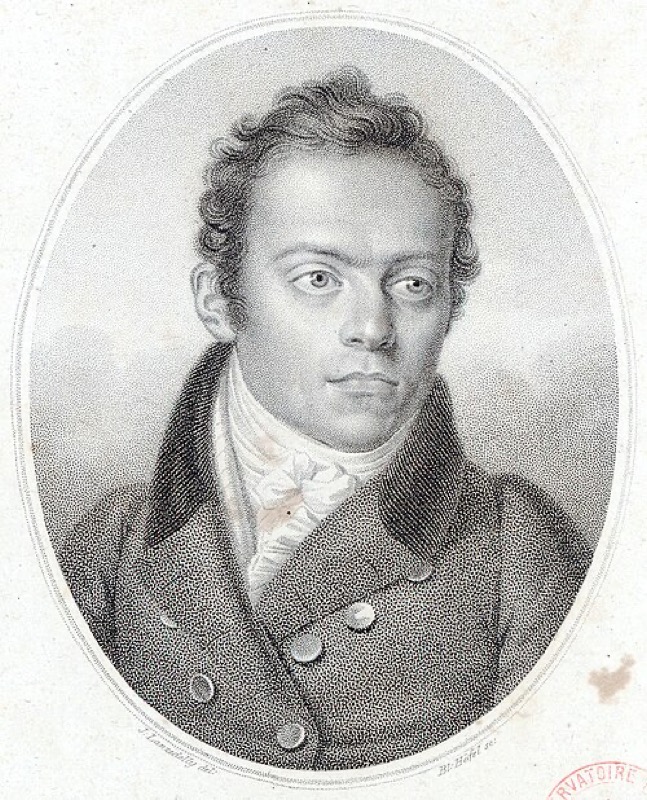
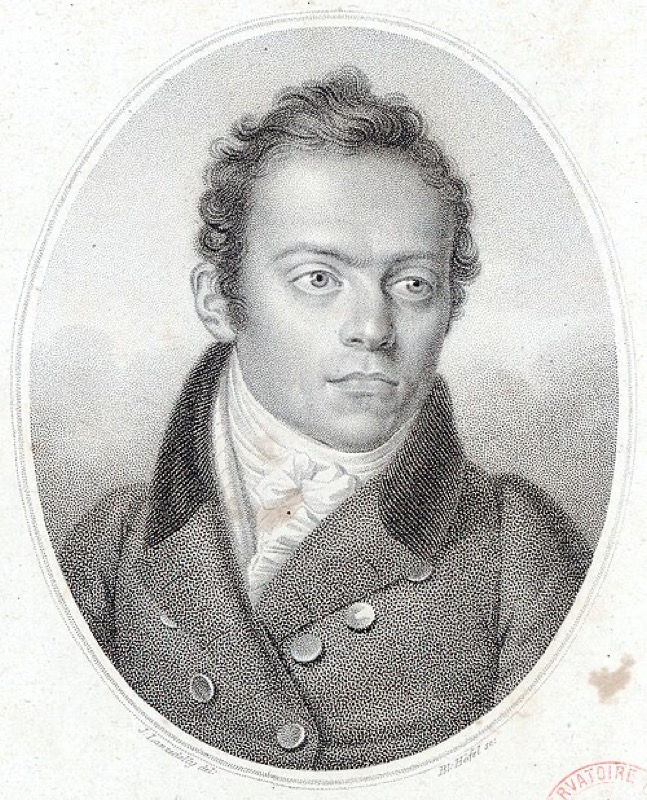
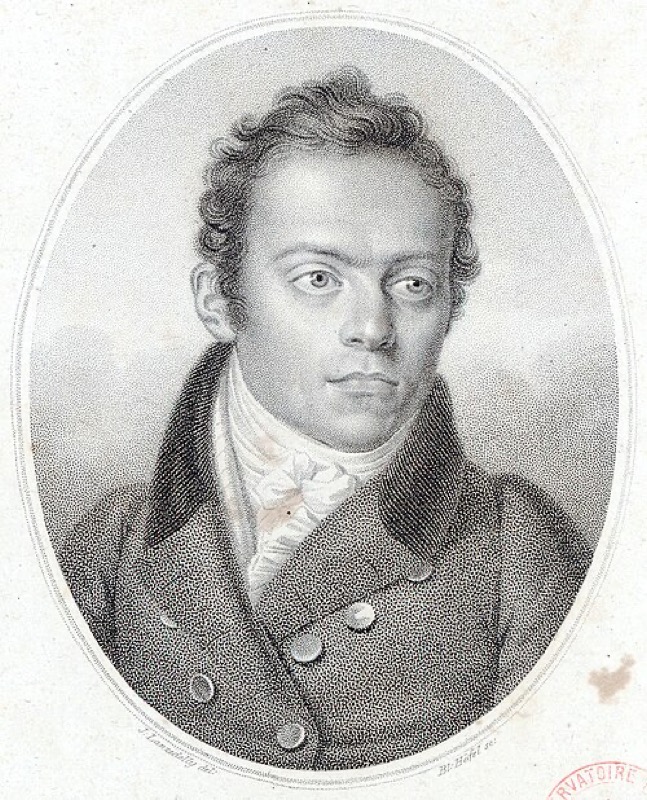
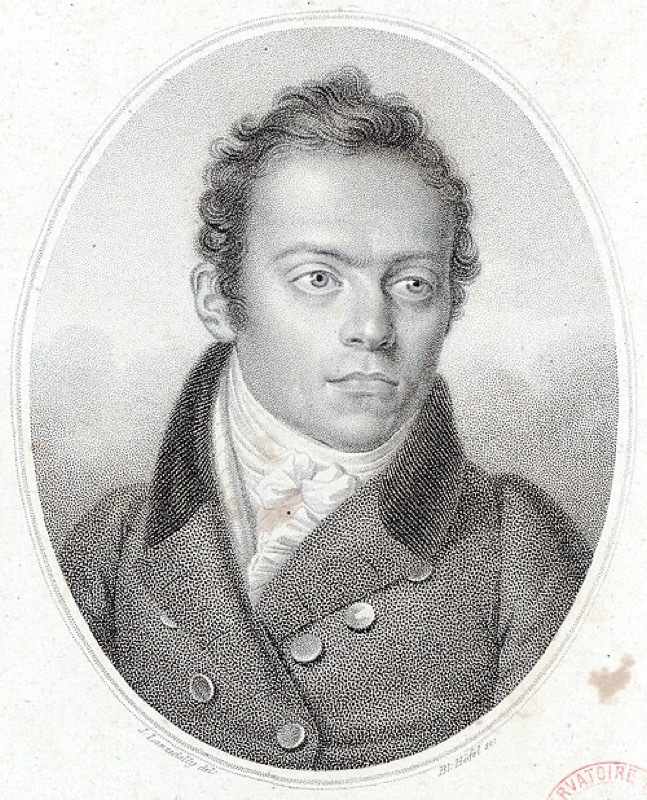
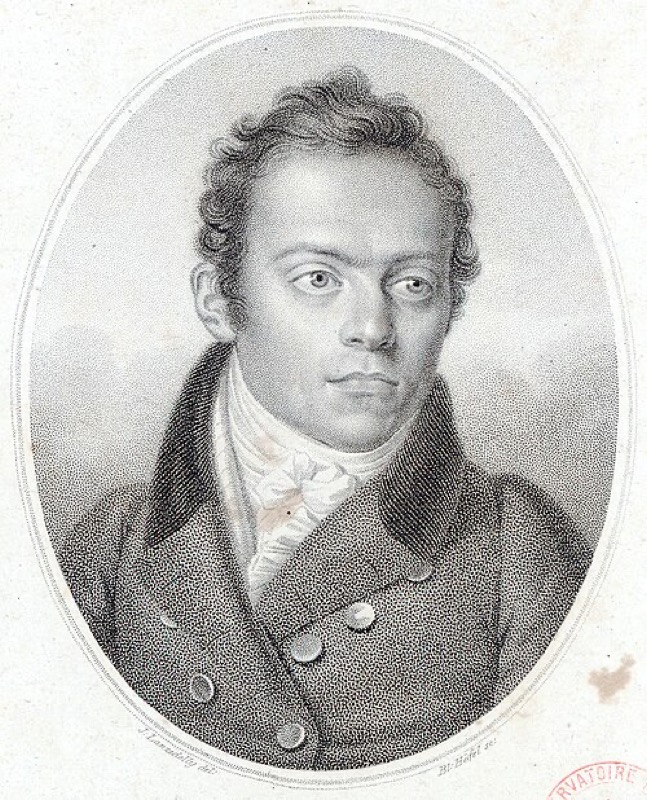
Carl Czerny - who absorbed Beethoven's systematic approach to technical development and applied it to generations of students including Liszt - used the Melodische Übungsstücke, Op. 840, to expand the student's key vocabulary alongside their expressive range. The first eight studies cover C, G, F, and A major and minor; No. 9 introduces B-flat major, the first two-flat key in the set, wrapping the new accidentals inside a warmly lyrical, Romantic-style melody across 48 measures.
B-flat major appears throughout wind ensemble and orchestral repertoire as a home key, making it essential musical literacy for any student who plays in groups. Czerny's approach here is characteristic: he does not isolate the key-reading difficulty but embeds it in a singable, expressive melody that gives the student a musical reason to navigate the new key carefully. The 48-measure length provides enough repetition of the accidentals for them to become automatic before the piece ends.
Practice path
Identify every flat before playing a note.
Before the session, scan the score and name every B-flat and E-flat. Then play just those pitches slowly, in order of appearance, until the two accidentals feel natural and automatic. This pre-flight check takes two minutes and eliminates the most common error - forgetting a flat mid-phrase - freeing your attention during the full performance for tone and phrasing rather than accidental management.
Score basis: Generated MusicXML from Mutopia MIDI. Public domain composition; Public Domain (CC0) - Mutopia; MusicXML generated for Pianodemy. Attribution: Mutopia Project (https://www.mutopiaproject.org/cgibin/piece-info.cgi?id=2154).
MIDI source: Mutopia Project (https://www.mutopiaproject.org/cgibin/piece-info.cgi?id=2154). Public Domain (CC0) - Mutopia.
Questions
Before you practice.
Short answers for learners and for searchers deciding whether this is the right version to start with.
01Why is B-flat major a useful key for beginners to learn?
B-flat major is foundational for any student who plays in ensembles or bands - it is the home key of clarinets, trumpets, and many other instruments. Learning it on piano through Czerny's No. 9 provides cross-instrument musical literacy.
02How long is Czerny Op. 840 No. 9?
It is 48 measures, making it longer than the 32-measure studies but shorter than the 56 and 64-measure pieces in the same set. The extended length gives the B-flat major tonality space to settle naturally for the student.
How to use this V1
The melody first, the key second.
If the accidentals are absorbing too much attention, slow to 55% and loop the first eight measures until B-flat and E-flat feel as natural as C and G. At that point, raise the tempo and shift focus entirely to the melodic line - its shape, its phrasing, its expressive character. B-flat major has a warmth that rewards careful tone production; once the key is no longer a cognitive burden, that warmth becomes the main reward of No. 9.
Keep going