Interactive piano piece
Learn Danzas Españolas No. 2, Oriental
The most introspective of Granados's twelve Spanish Dances - a brooding, modal E-minor piece that evokes flamenco's duende without quoting a single folk melody directly. Oriental is built on a slow, hypnotic ostinato - use the Pianodemy desk's tempo control to practice the left-hand pattern until it becomes automatic before adding the ornate right-hand melody.
Browser MIDI check pending
Loading score...
Press Play for the full piece, or choose Opening and switch to Wait for note for guided right-hand practice.
About the piece
Spanish melancholy filtered through a Barcelona painter's sensibility.
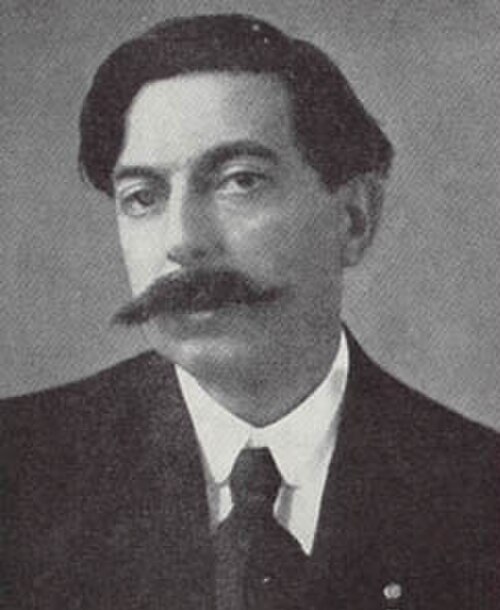
Enrique Granados published his Doce Danzas Españolas (Twelve Spanish Dances) between 1892 and 1900, and the second - subtitled 'Oriental' - became one of the most beloved pieces in the Spanish piano repertoire. Granados was born in Lérida in 1867 and studied in Barcelona and Paris before returning to found his own piano academy in Barcelona. He was as much a visual artist as a musician - he painted seriously throughout his life - and the Danzas Españolas reflect a painterly attention to atmosphere and color rather than a purely musical approach to form.
'Oriental' is not literally a musical portrait of Asia; in Spanish Romantic usage, the term referred to the Moorish and Arabic musical influences absorbed into Andalusian folk music over centuries of cultural contact. The piece's characteristic sound - a slow, drone-like bass sustaining beneath a sinuously ornamented melody - captures the aesthetic of Andalusian cante jondo (deep song). Granados died in 1916 after the ship carrying him back from the premiere of his opera Goyescas in New York was torpedoed by a German submarine; he perished trying to save his wife from the water.
Practice path
Ground the drone before shaping the melody.
Practice the left-hand ostinato pattern alone at 55% tempo until it feels completely effortless - it must sustain the hypnotic atmosphere even as the right hand ornaments freely above it. Once the left hand is automatic, add the right-hand melody at the same slow tempo and focus on making the ornaments feel like natural extensions of the line rather than interruptions. The piece should feel like the melody is improvising over a sustained background.
Score basis: Generated MusicXML from Mutopia MIDI. Public domain composition; CC BY-SA 4.0; MusicXML generated for Pianodemy. Attribution: Mutopia Project (https://www.mutopiaproject.org/cgibin/piece-info.cgi?id=2200).
MIDI source: Mutopia Project (https://www.mutopiaproject.org/cgibin/piece-info.cgi?id=2200). CC BY-SA 4.0.
Questions
Before you practice.
Short answers for learners and for searchers deciding whether this is the right version to start with.
01What does 'Oriental' mean in the context of this Spanish Dance?
In Granados's time 'Oriental' referred to the Moorish musical heritage of Andalusia - southern Spain's centuries of Arabic and North African influence on folk melody, modal scales, and ornamented style. It has nothing to do with East Asia; it describes the eastern Mediterranean flavour in the harmony and melodic movement.
02What grade level is Granados Danzas Españolas No. 2?
It sits at approximately RCM Grade 9-10 or ABRSM Grade 8 (advanced). The melodic playing is manageable for a good intermediate student, but the chord textures in the middle section and the sustained phrasing demands require advanced technique.
How to use this V1
Let the drone sustain, let the melody breathe.
Use full pedal on the sustained bass notes and change only when the harmony shifts - Oriental depends on the resonance of sustained tones. The right-hand ornaments should be flexible in timing, slightly free within the steady left-hand pulse. Loop any section where the ornaments feel rushed or mechanical; they should sound like spontaneous embellishments, not written-out decorations.
Keep going