Interactive piano piece
Learn Gnossienne No. 1
A hypnotic Satie miniature without barlines or time signature - pure mood, pure atmosphere. No barlines means no grid to hide behind - slow playback, section looping, and wait-for-note mode let you feel exactly where the phrase asks you to pause or move forward.
Browser MIDI check pending
Loading score...
Press Play for the full piece, or choose Opening and switch to Wait for note for guided right-hand practice.
About the piece
The piece that removed the barlines and kept the music.
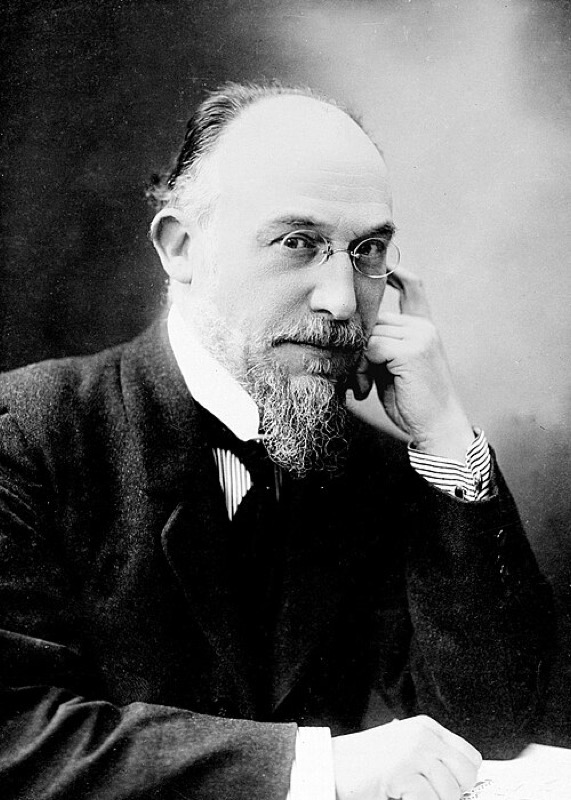
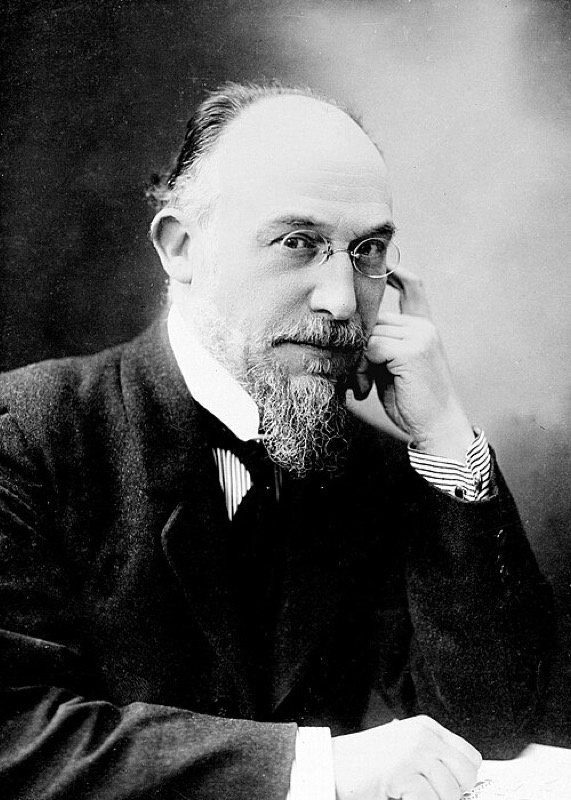
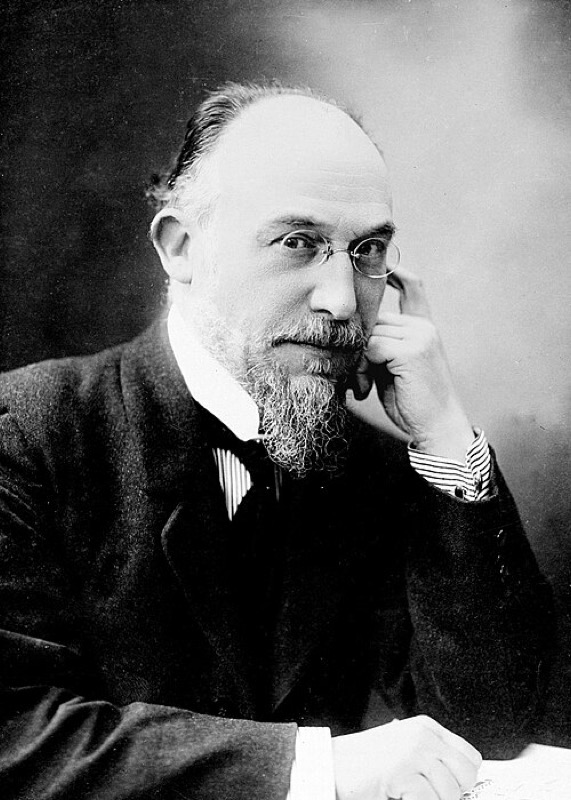
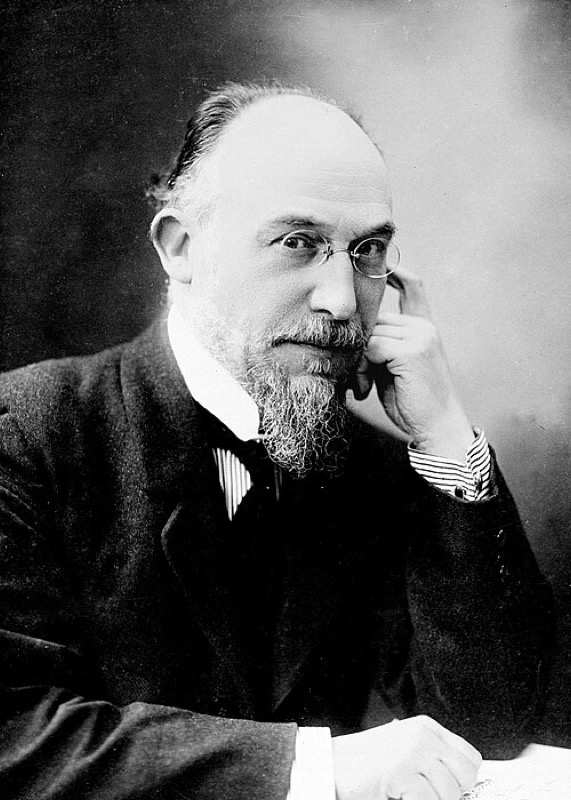
Satie composed the three Gnossiennes in 1890, two years after the Gymnopédies, and pushed his experiment with notation even further: the Gnossiennes have no time signature, no barlines, and no conventional tempo marking. Instead he added strange verbal instructions in French - 'Questionnez' (question), 'Avec étonnement' (with astonishment), 'Sur la langue' (on the tip of the tongue) - that describe feeling states rather than technical directions. He may have taken the word 'gnossienne' from 'Gnossos,' the ancient Cretan city associated with the Minotaur labyrinth, or from 'gnosis,' the Greek word for esoteric knowledge. He never explained it.
Gnossienne No. 1 in D minor is the most performed of the three. Its hypnotic left-hand ostinato - a repeated pattern of bass note and open fifth - supports a right-hand melody of extraordinary simplicity: mostly stepwise, often circling the same few notes, never resolving in the expected place. The lack of barlines forces the performer to become the keeper of the rhythm, which is precisely Satie's point. He wanted the music to feel ancient, free, and slightly outside normal time - and in Gnossienne No. 1, it does.

Practice path
Establish the pulse inside yourself before you play a note.
Without barlines, the internal pulse must come from the performer. Before playing, count or tap a slow, steady quarter-note pulse - roughly 60 bpm - and feel it settle in your body. The left-hand ostinato will anchor this pulse once you start, but the initial reference point must be internal. Practice the left hand alone first, keeping the bass note and the open-fifth chord exactly equal in touch and completely even in rhythm.
The right-hand melody should float slightly above the pulse - not dragging or rushing, but with the small elastic quality that Satie's instruction 'Lent' implies. Pedal generously: half-pedal on the bass note, hold lightly through the chord, change at each new bass note. The left hand should blur just enough to feel resonant without turning the harmonies to mud.
Score basis: Generated MusicXML from Mutopia MIDI. Public domain composition; CC BY-SA 4.0; MusicXML generated for Pianodemy. Attribution: Mutopia Project (https://www.mutopiaproject.org/cgibin/piece-info.cgi?id=2035).
MIDI source: Mutopia Project (https://www.mutopiaproject.org/cgibin/piece-info.cgi?id=2035). CC BY-SA 4.0.
Questions
Before you practice.
Short answers for learners and for searchers deciding whether this is the right version to start with.
01Why does Gnossienne No. 1 have no time signature or barlines?
Satie deliberately omitted them to free the performer from strict meter. He wanted the music to breathe at its own tempo - a radical idea in 1890 that gave the piece its signature floating quality.
02How hard is Gnossienne No. 1 for a beginner?
It sits at a late-beginner level. The notes themselves are not technically demanding, but controlling tone, timing, and pedal without a regular pulse requires patience and a good ear.
03What tempo should I use when learning Gnossienne No. 1?
Satie marked it 'Lent' (slow). A quarter-note pulse around 60-76 bpm is typical, but the piece rewards personal interpretation - the absence of barlines means small pushes and pulls are part of the performance.
How to use this V1
Keep the left hand metronomic so the right hand can be free.
The paradox of Gnossienne No. 1 is that its free-floating quality depends on an absolutely steady left hand. Practice left hand with a metronome at 60 bpm for two minutes before adding the right hand - this builds the internal clock that the performance needs. At 80% of performance tempo hands together, allow the right-hand melody to linger very slightly on the longer note values. Section-loop the phrases where the right hand circles back on itself - those are the moments that sound most effortlessly inevitable when the timing is right.
Keep going