Interactive piano piece
Learn Gymnopédie No. 2
The quieter, lesser-heard sibling of the famous Gymnopédie No. 1 - equally serene, with its own unhurried G-major lilt. Slow playback, section looping, and an on-screen keyboard help you find the exact pedal change and dynamic balance that makes the three-beat waltz pattern disappear into pure atmosphere.
Browser MIDI check pending
Loading score...
Press Play for the full piece, or choose Opening and switch to Wait for note for guided right-hand practice.
About the piece
The Gymnopédie that rewards those who go beyond No. 1.
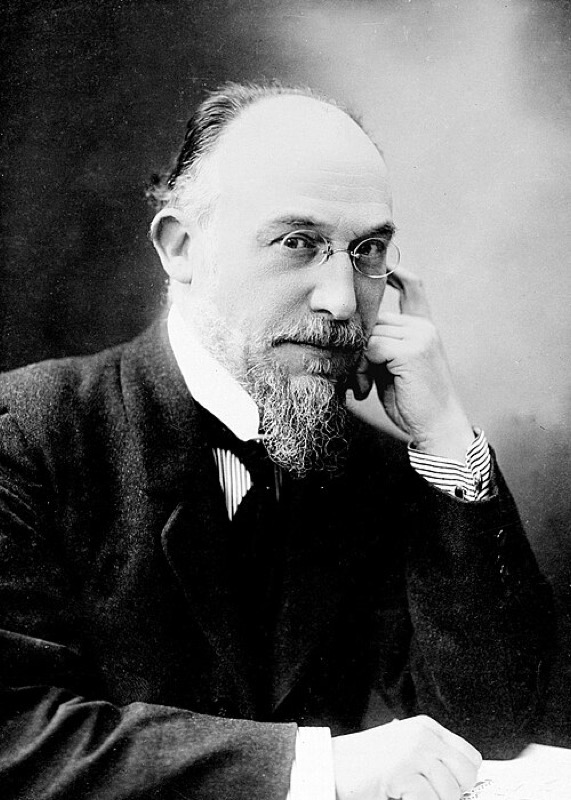
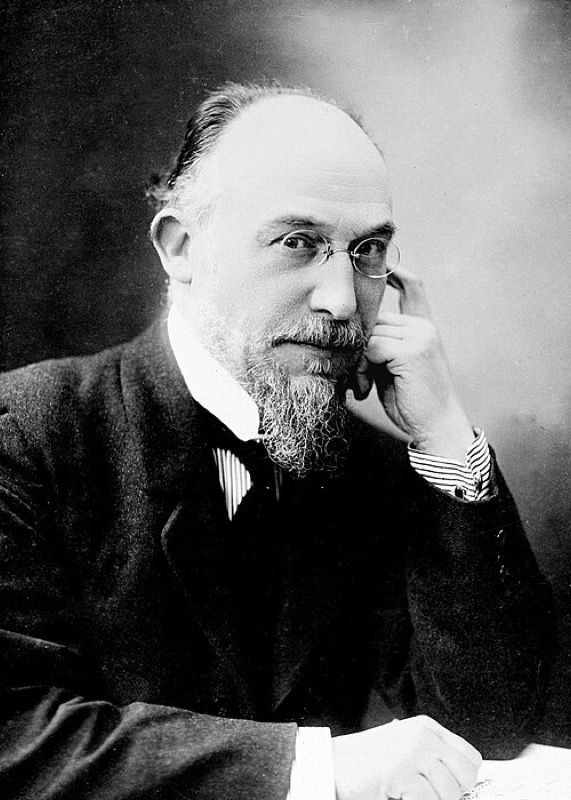
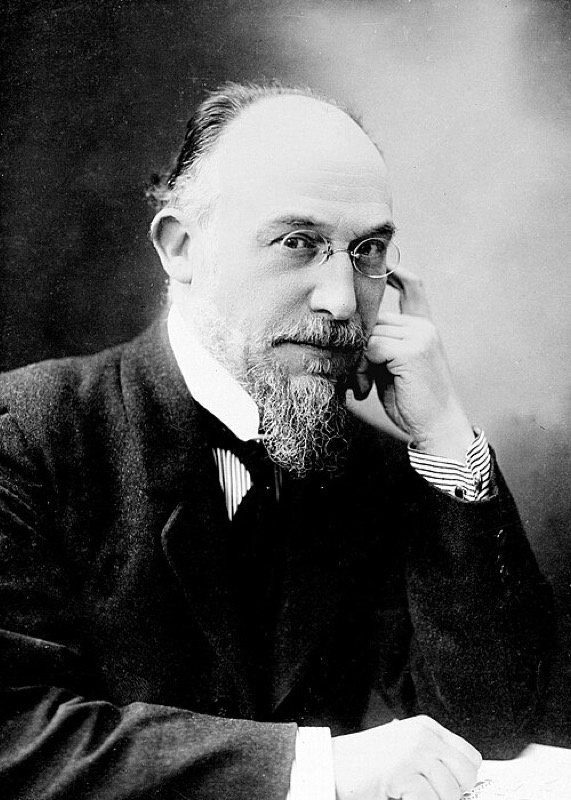
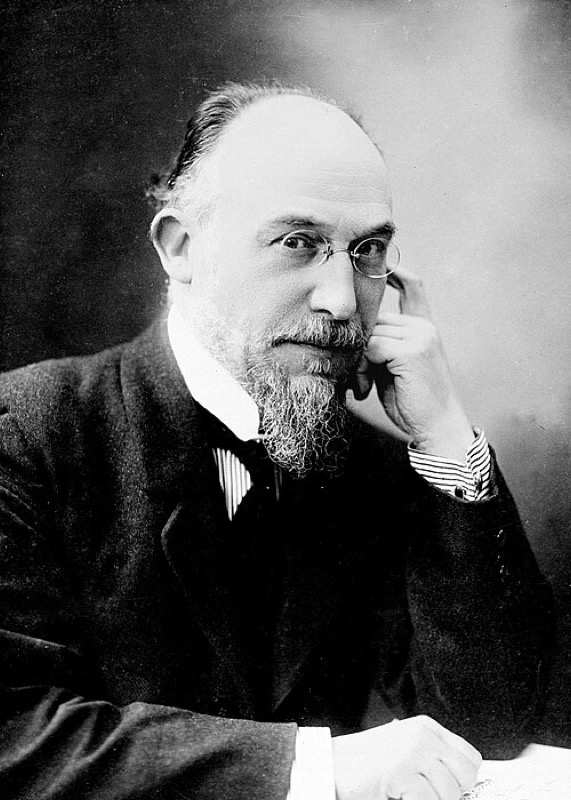
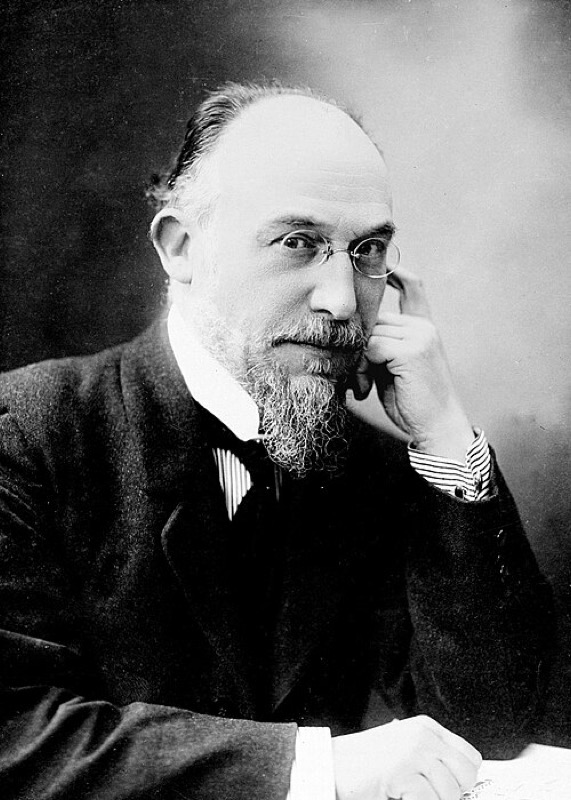
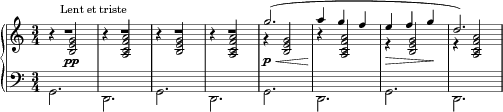
Satie published all three Gymnopédies simultaneously in 1888, self-funding a print run from the Paris publisher E. Baudoux. The three pieces were conceived as a set - different aspects of the same idea rather than a hierarchy from famous to obscure. Gymnopédie No. 2, in G major, is marked 'Lent et triste' (slow and sad), distinguishing it from No. 1's 'Lent et douloureux' (slow and painful) and No. 3's 'Lent et grave' (slow and solemn). The different emotional qualifiers are not decoration: each piece really does feel different, and No. 2's particular quality is a kind of quiet melancholy that is less obvious than the famous opening of No. 1.
Debussy's 1896 orchestrations of the Gymnopédies chose No. 1 and No. 3 - not No. 2 - which has given No. 2 a permanent second-tier status in concert programming. In purely musical terms this is unjustified: the piece has a melodic warmth and harmonic freshness that hold up against the others. Its G major tonality makes it slightly brighter than No. 1's D major, and its middle section modulates in a way that, for a piece of such apparent simplicity, is genuinely surprising.
Practice path
Same waltz pattern, different emotional temperature.
The left-hand pattern is identical in principle to No. 1: bass note on beat one, open chord on beats two and three. If you have played No. 1, this pattern is already familiar. The difference lies in the melody: No. 2's right-hand line has a more lilting, vocal quality and reaches slightly higher in the register. Practice the left hand alone at 55 bpm until it is completely automatic, then add the right hand at a quiet piano dynamic.
Pedaling follows the same rule as No. 1: change on beat one with each new bass note, sustain lightly through beats two and three. The G major harmonies sustain beautifully with a half-pedal; full pedal muddies the texture at this slow tempo. Rubato is appropriate - 'Lent et triste' invites a subtle expressive lean on the longer melodic notes - but should feel natural rather than imposed.
Score basis: Generated MusicXML from Mutopia MIDI. Public domain composition; Public Domain (CC0) - Mutopia; MusicXML generated for Pianodemy. Attribution: Mutopia Project (https://www.mutopiaproject.org/cgibin/piece-info.cgi?id=38).
MIDI source: Mutopia Project (https://www.mutopiaproject.org/cgibin/piece-info.cgi?id=38). Public Domain (CC0) - Mutopia.
Questions
Before you practice.
Short answers for learners and for searchers deciding whether this is the right version to start with.
01How is Gymnopédie No. 2 different from Gymnopédie No. 1?
Both pieces share the same slow 3/4 time, sparse left-hand chord pattern, and dreamlike character. No. 2 is in G major rather than D major and has a slightly more introverted melodic line, making it a rewarding companion piece once you are comfortable with No. 1.
02Is Gymnopédie No. 2 easier or harder than No. 1?
They are roughly the same late-beginner difficulty. No. 2 is shorter (65 measures at a slow tempo) and its melody sits comfortably under the hand, so some pianists find it marginally more approachable after learning No. 1.
03What pedaling technique works best for Gymnopédie No. 2?
Change the pedal on each bass note in the left hand (beat 1 of each measure) and hold lightly through the two chord beats that follow. This sustains the low note without turning the harmonies into mud.
How to use this V1
Let the sadness color the tone, not slow the tempo.
Satie's marking 'triste' (sad) should translate into tone color, not drag. A sad tone is warm, slightly quiet, and forward-moving - not hesitant. Practice at 70% tempo with deliberate attention to the right-hand melodic weight: each phrase peak should arrive naturally through a slight increase in finger pressure, not a speed change. Section-loop the middle section where the harmony shifts unexpectedly - that moment needs clean preparation in the left hand to land clearly. The complete piece is short enough to run through three or four times per practice session.
Keep going