Interactive piano piece
Learn Hasche-Mann, Op. 15 No. 3 (Kinderszenen)
A breathless B minor sprint - Schumann's 21-measure depiction of a children's game of tag, demanding quick fingers and crisp articulation at 116 bpm. Try the piece at 50% tempo first - the hand-crossing that feels impossible at full speed becomes clear when slowed right down.
Browser MIDI check pending
Loading score...
Press Play for the full piece, or choose Opening and switch to Wait for note for guided right-hand practice.
About the piece
Tag at the piano: hands crossing at full speed.
Hasche-Mann - 'Blind Man's Buff' or 'Tag' - is the most physically exhilarating piece in Kinderszenen (Op. 15, 1838). It is built around constant hand-crossing: the left hand leaps over the right and back again in a frenzy of chasing and dodging that perfectly captures the game its title names.
Schumann was fascinated by the physical possibilities of the piano and had injured his right hand trying to strengthen it mechanically. Hasche-Mann turns that physical energy to purely imaginative ends. The piece is very short - barely a minute - but demands complete command of hand-crossing, and it remains one of the most vivid character sketches in all of Romantic piano literature.
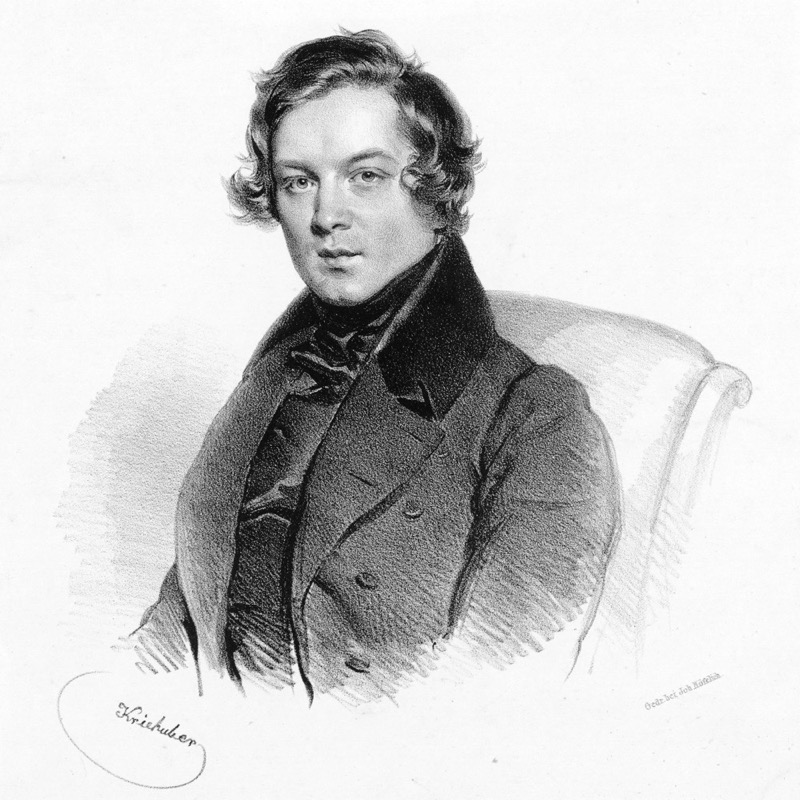

Practice path
Slow the crossing, then speed it up.
Practise the hand-crossing passages in isolation at 40% tempo, making each crossing deliberate and comfortable. Speed follows safety: once both hands always know where they are going, the tempo can rise naturally. Never practise the crossings fast until the movement pattern is automatic.
Score basis: Generated MusicXML from Mutopia MIDI. Public domain composition; CC BY 3.0; MusicXML generated for Pianodemy. Attribution: Mutopia Project (https://www.mutopiaproject.org/cgibin/piece-info.cgi?id=365).
MIDI source: Mutopia Project (https://www.mutopiaproject.org/cgibin/piece-info.cgi?id=365). CC BY 3.0.
Questions
Before you practice.
Short answers for learners and for searchers deciding whether this is the right version to start with.
01What is Hasche-Mann and what does it have to do with the piano music?
Hasche-Mann is a traditional German children's tag game. Schumann translated its energy directly into music: rapid repeated figures, quick hand exchanges, and an urgent minor-key pulse that mimics the physical sensation of chasing and being chased. The piece is only 21 measures long, but those measures are packed with motion.
02How fast should Hasche-Mann be played?
The score marks the tempo at approximately 116 bpm for the quarter note. This is genuinely fast for a 2/4 piece and is the piece's main technical challenge. Build gradually from a slow practice tempo, aiming for an effortless, light quality at speed rather than forcing the tempo before your fingers are ready.
How to use this V1
The crossings are the technique.
Slow-tempo mode is essential here - use it to make every crossing feel spacious. In wait-for-note mode, pause just before each crossing and check your arm position. Loop any two-bar crossing passage until the physical movement becomes reflexive, then chain two loops together, and finally the whole piece.
Keep going