Interactive piano piece
Learn Träumerei
A lyrical Schumann miniature for voicing, legato, and suspended harmony. The practice desk lets you slow the tempo to half speed and loop any phrase so the legato line can develop before the full emotional weight of the piece settles in.
Browser MIDI check pending
Loading score...
Press Play for the full piece, or choose Opening and switch to Wait for note for guided right-hand practice.
About the piece
Thirteen childhood scenes, and the one everyone remembers.
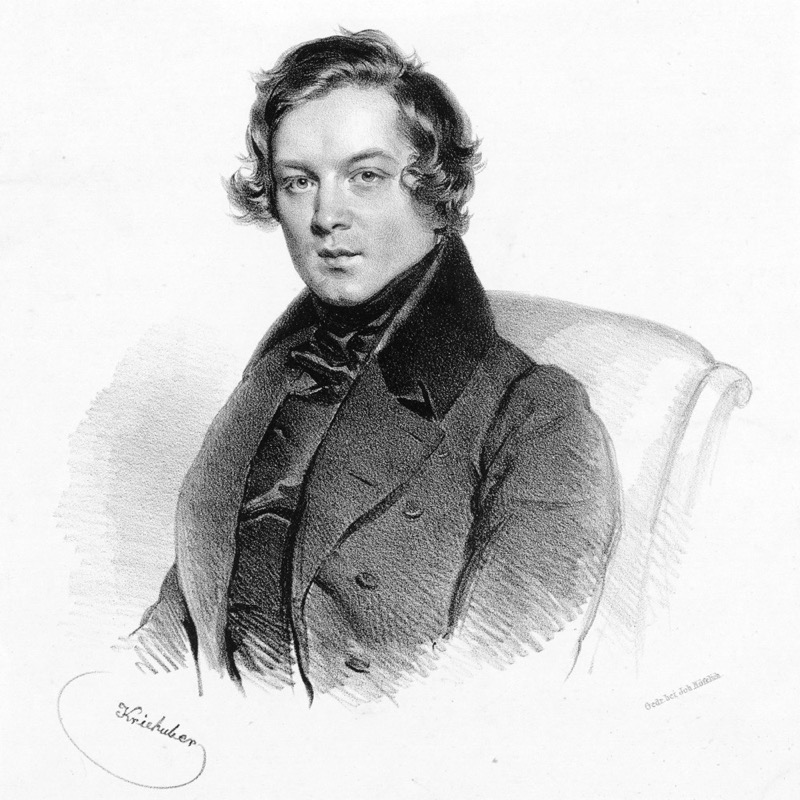
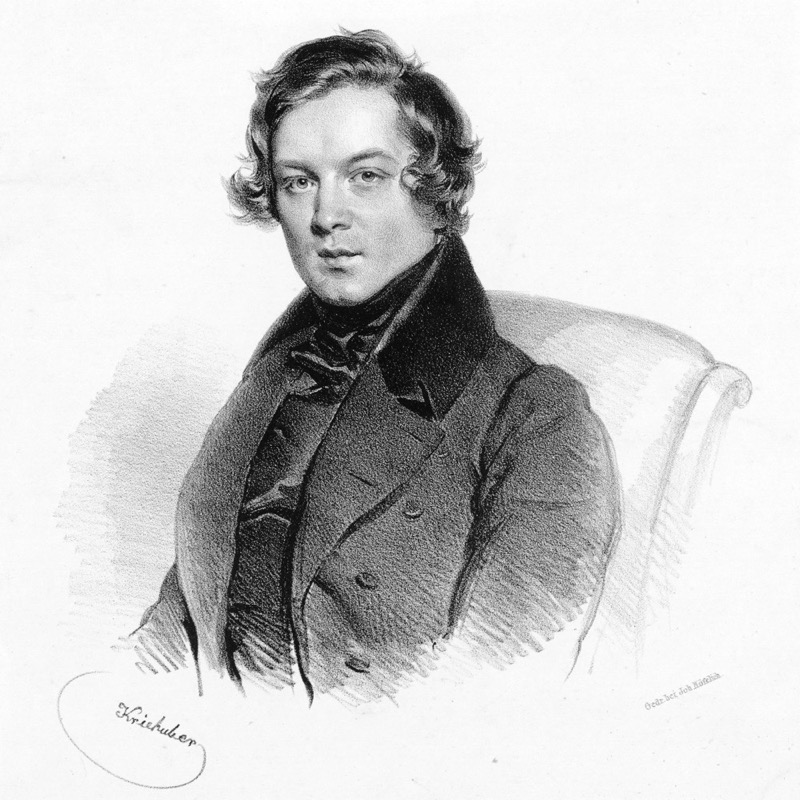
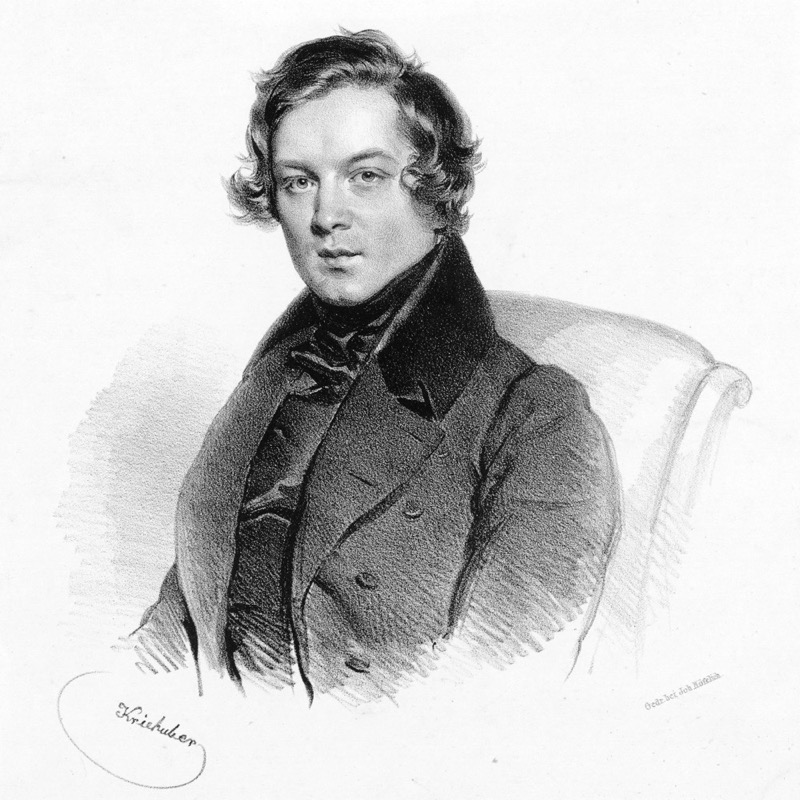
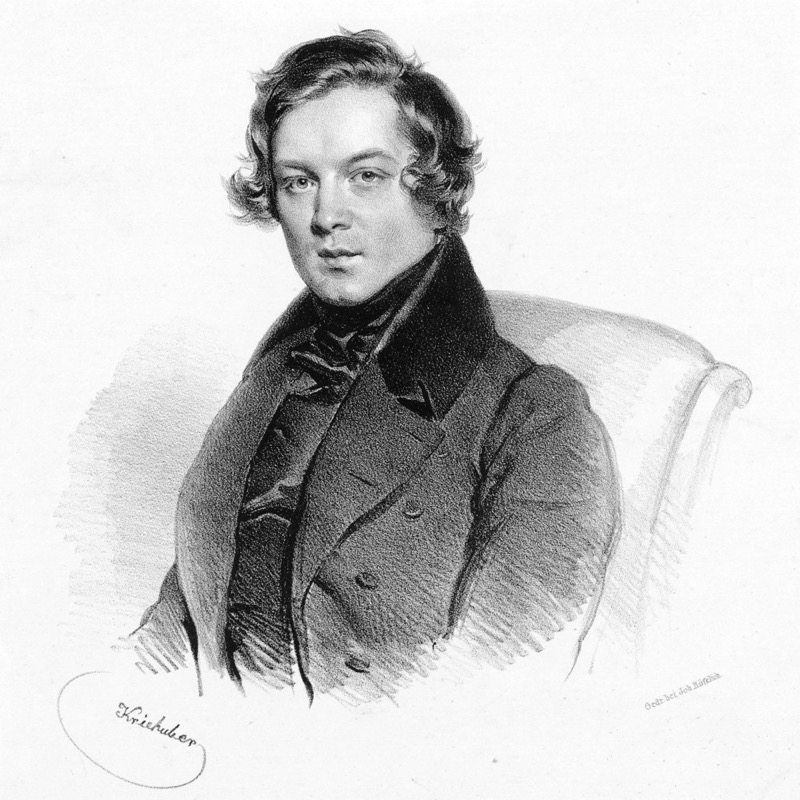
Schumann composed Kinderszenen in 1838 in a burst of work that also produced Kreisleriana. The opus 15 set of thirteen short character pieces was not written for children to play - Schumann said it was written by an adult looking back at childhood from a distance. He attached the titles after the music was complete, finding words for feelings the notes had already expressed.
Träumerei, the seventh piece, is the hinge of the set. It sits between the more playful earlier pieces and the quieter, more inward ones that follow. The title means 'dreaming' or 'reverie,' and the music earns both words: a single eight-bar melody that returns three times in slightly different registers, each time a little further from wherever it began.
The difficulty is not technical. The melody is entirely within reach of an intermediate player. The difficulty is that every phrase needs to breathe, that the accompanying inner voices must stay below the cantilena without disappearing, and that the ritardando near the end must feel like waking up slowly rather than slowing down mechanically.
Practice path
One melody, three returns.
The piece is built on a single arching phrase that appears in F major, then climbs toward the dominant and returns, and finally descends to close. Practice the right-hand melody alone at 50% tempo before adding the left, listening for the top note of each phrase to sustain through the accompanying voices below.
The inner voices in the left hand are the piece's secret - they provide harmonic color without competing with the melody. Once both hands are together, use the loop to work the climax at the return of the main theme, where the melody sits highest and the voicing is most delicate.
Score basis: Generated MusicXML from Mutopia MIDI. Public domain source; prototype MusicXML generated for Pianodemy. Attribution: Mutopia Project, Mutopia-2005/12/27-504, Leichte Stücke 1900 source.
MIDI source: Mutopia Project, Mutopia-2005/12/27-504. Public domain / Mutopia distribution.
How to use this V1
Keep the melody on top.
Use 50% tempo to establish finger weight differentiation between the melody and inner voices, then 75% to find the natural phrase breathing. The wait-for-note mode is most useful for the opening phrase, where the rhythm needs to feel suspended rather than counted.
Keep going