Interactive piano piece
Learn The Harlem Rag
The first ragtime piece by a Black composer to appear in print - a historical document that is also genuinely fun to play, with an energetic, slightly rough-hewn character that predates Joplin's polished style. Harlem Rag may be the first piano rag ever published - loop the opening strain on the Pianodemy desk and you are hearing the genre at its moment of invention.
Browser MIDI check pending
Loading score...
Press Play for the full piece, or choose Opening and switch to Wait for note for guided right-hand practice.
About the piece
The rag that may have started everything - published in 1897.
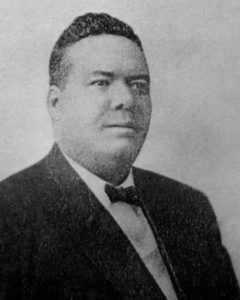
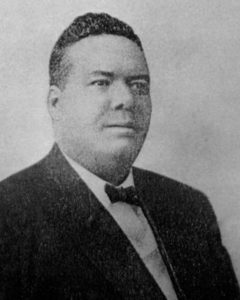
Tom Turpin's Harlem Rag, published in December 1897 by Robert DeYong & Company of St. Louis, has a strong claim to being the first piano rag ever commercially published by a Black composer. It predates Scott Joplin's Maple Leaf Rag by two years and Joplin's own first publication by over a year. Whether or not it is literally the first (the question is contested among historians because of imprecise publication dates on several competing claims), it is certainly one of the foundational documents of the ragtime era.
The title's use of 'Harlem' is geographically puzzling - Turpin spent his career in St. Louis, and in 1897 Harlem had not yet become the center of Black American cultural life it would become in the 1920s. Most historians believe Turpin was using 'Harlem' as a generic signifier of urban Black sophistication rather than a specific reference to the New York neighborhood. The piece itself is a straightforward multi-strain rag, less refined than Joplin's later work but full of rhythmic vitality that makes its historical importance feel earned rather than merely circumstantial.
Practice path
Play it as a historical document and as music.
Harlem Rag's strains are relatively straightforward compared to Joplin's more intricate syncopations - a useful entry point for learning the ragtime idiom. Loop the opening strain at 65% tempo and focus on making the left-hand bass pattern absolutely steady. The piece rewards clean execution over expressive nuance; get the rhythmic framework right first and the style will emerge naturally.
Score basis: Generated MusicXML from Mutopia MIDI. Public domain composition; Public Domain (CC0) - Mutopia; MusicXML generated for Pianodemy. Attribution: Mutopia Project (https://www.mutopiaproject.org/cgibin/piece-info.cgi?id=443).
MIDI source: Mutopia Project (https://www.mutopiaproject.org/cgibin/piece-info.cgi?id=443). Public Domain (CC0) - Mutopia.
Questions
Before you practice.
Short answers for learners and for searchers deciding whether this is the right version to start with.
01Why is The Harlem Rag historically significant?
The Harlem Rag (1897) is the first known rag by a Black composer to be published in the United States. It predates Joplin's Maple Leaf Rag by two years and marks the beginning of ragtime as a commercial printed genre rather than an oral tradition.
02Why is it called The Harlem Rag if Turpin was from St. Louis?
In the 1890s 'Harlem' was used loosely as a synecdoche for Black American urban culture. Turpin published the piece in St. Louis; the name was a cultural reference rather than a geographical one, signalling the piece's roots in African American musical life.
How to use this V1
Direct, vital, and historically essential.
Harlem Rag was written before the genre had solidified its conventions - it feels rawer and more spontaneous than the polished rags of the 1900s. Use the loop feature to build steady tempo in each strain before moving on. Play with a direct, unhurried confidence rather than the forward-leaning urgency that works in later rags. This is music from the beginning of something.
Keep going