Interactive piano piece
Learn Prelude Op. 28 No. 4
A compact Chopin prelude for chord voicing, gravity, and expressive timing. The interactive score, section loops, tempo slider, and wait-for-note mode let you sit inside this two-minute prelude as long as you need - phrase by phrase, chord by chord.
Browser MIDI check pending
Loading score...
Press Play for the full piece, or choose Opening and switch to Wait for note for guided right-hand practice.
About the piece
Two minutes of grief that Chopin asked to be played at his funeral.
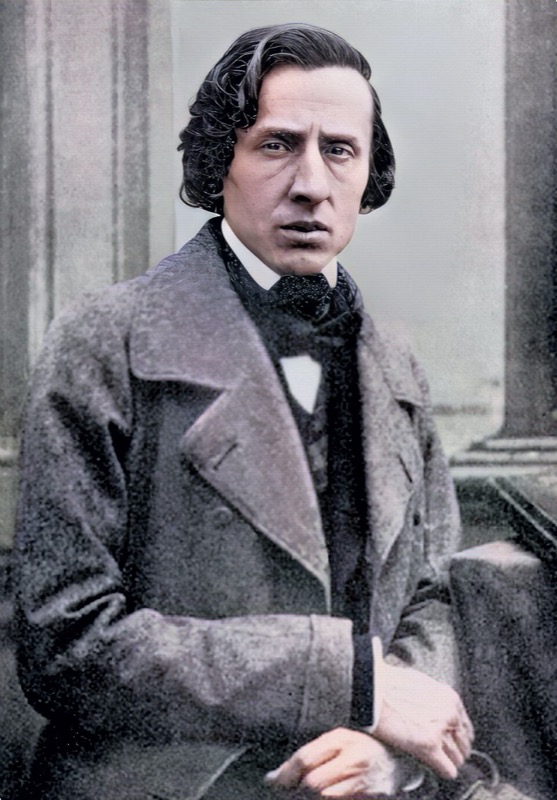
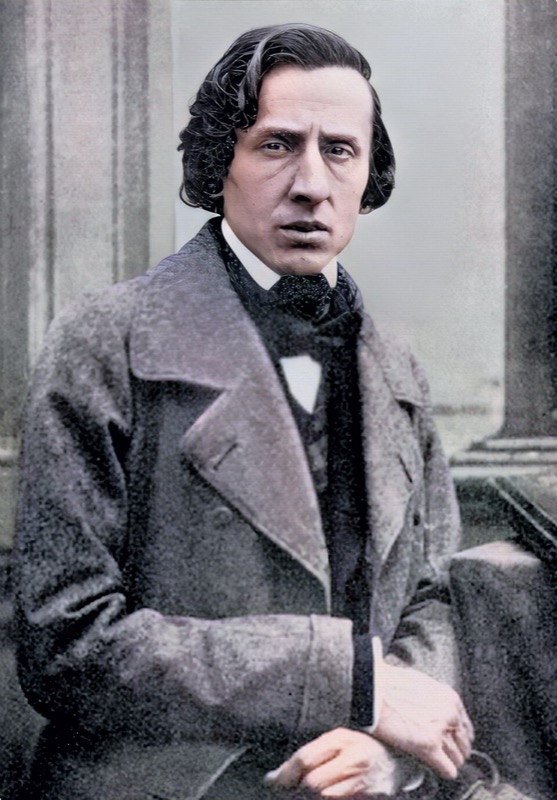
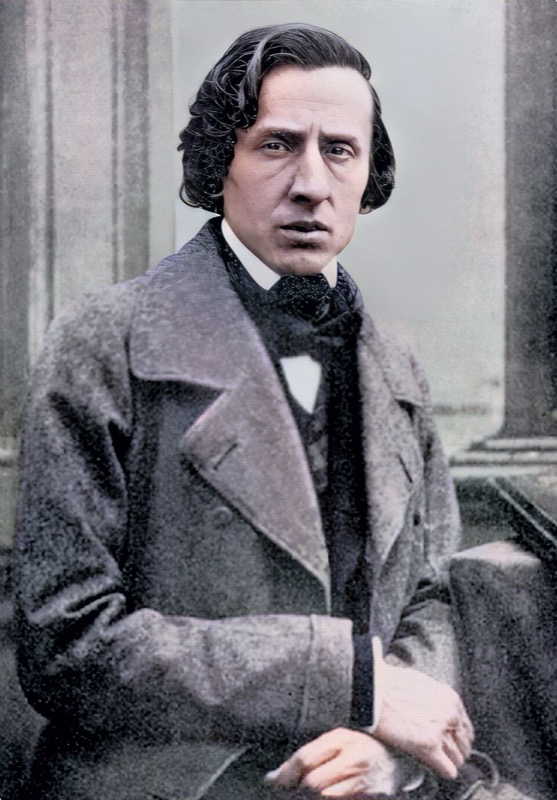
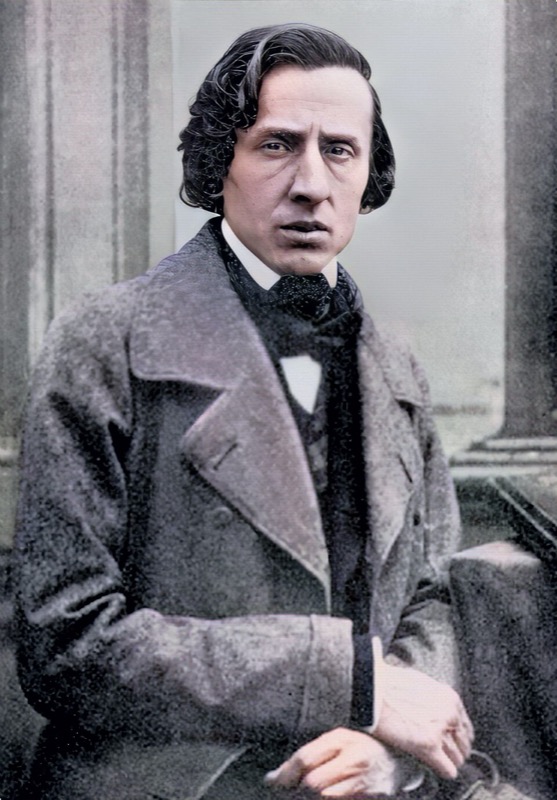
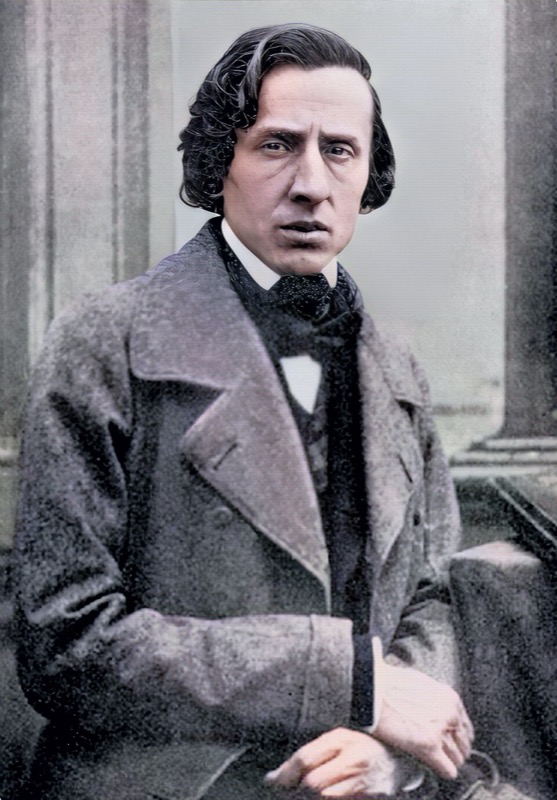
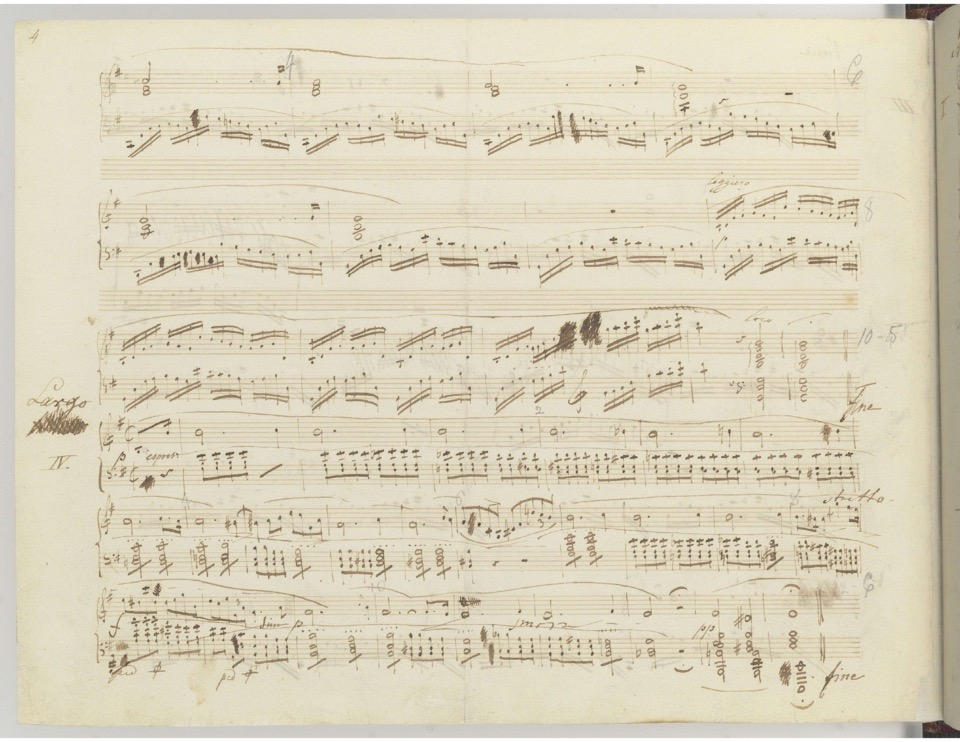
Chopin composed the twenty-four Preludes of Op. 28 between 1836 and 1839, completing the final revisions on Majorca during the winter he spent there with George Sand. The fourth prelude, in E minor, is the shortest of the set and probably the most emotionally concentrated - a single sustained melody in the right hand over a slow chromatic descent in the left, never rising above mezzo-forte, never escaping the key's prevailing sadness.
It lasts barely ninety seconds in most performances, yet it contains one of the most quietly devastating harmonic progressions in Romantic piano music. The left hand moves in half-step-adjacent chords that never fully resolve until the very last bar, where a low E major chord arrives like a door closing. Scholars have called it a study in suspension and resignation.
Chopin requested that Mozart's Requiem be performed at his funeral in 1849, but it was this prelude - played by his student Adolf Gutmann - that became associated with his burial in popular memory. Whether or not the story is accurate, the piece sounds exactly like music that earns such a legend.
Practice path
Hold the melody, feel the harmony move under it.
The right hand melody sits on a single repeated note for long stretches while the harmony shifts underneath it - a paradox where nothing changes and everything changes. Practise hands separately so you feel each hand's independent motion before combining them.
The biggest technical demand is evenness of the left-hand chords. Use the loop to isolate any bar where the chromatic movement feels rushed or uneven, and slow to 50% until each chord has the same weight.
Score basis: Generated MusicXML from Mutopia MIDI. Public domain source; prototype MusicXML generated for Pianodemy. Attribution: Mutopia Project, Mutopia-2007/02/01-921, Peters, Herrmann Scholtz, 1900b.
MIDI source: Mutopia Project, Mutopia-2007/02/01-921. Public domain / Mutopia distribution.
How to use this V1
Keep the left hand quiet so the right hand can grieve.
At 50% tempo, practise the left hand alone and listen for any accent or bump in the chromatic descent - it should feel like a slow tide rather than a series of steps. At 75%, add the right hand and use wait-for-note mode to check that the melody note and bass note align exactly. The final chord needs a moment of silence before it arrives; the tempo slider lets you feel that space without rushing.
Keep going