Interactive piano piece
Learn Nocturne in E minor, Op. 72 No. 1 (posth.)
A posthumously published Chopin nocturne with a darker, more restless mood than the famous Op. 9 set. Interactive score with section looping, tempo slider, MIDI input, and wait-for-note mode - work the searching left-hand accompaniment until the singing melody has space to breathe.
Browser MIDI check pending
Loading score...
Press Play for the full piece, or choose Opening and switch to Wait for note for guided right-hand practice.
About the piece
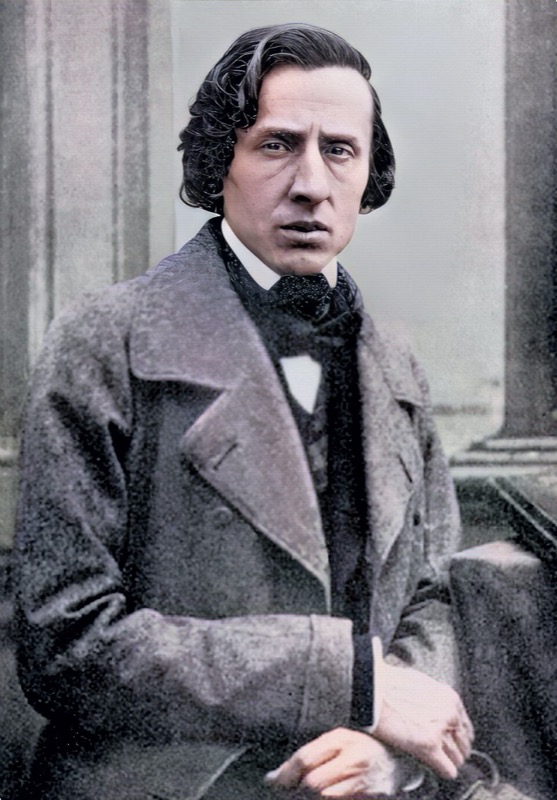
The nocturne Chopin never released - and never finished.
The Nocturne in E minor, Op. 72 No. 1, was not published during Chopin's lifetime. It appeared in 1855, six years after his death in 1849, as part of a collection of posthumous works assembled by his friend Julian Fontana. Whether Chopin suppressed it deliberately, considered it incomplete, or simply never got around to preparing it for publication is unknown. The manuscript that survives shows evidence of revision but no clear final text - editors have made different choices about the ornaments and the ending, which is why recordings can sound noticeably different from one another.
The piece belongs to the mature nocturne tradition Chopin inherited from John Field and transformed through his Op. 9, 15, and 27 sets. The E minor key gives it a darker, more restless quality than Op. 9 No. 2 - the left hand is more agitated, the melody less ornate, and the middle section pushes into major and minor keys that feel genuinely unsettled. Posthumous publication added a layer of biographical shadow: listeners have always heard in this nocturne the knowledge that Chopin was dying of tuberculosis, writing music he might never see printed.
Practice path
Fluid left hand, then let the melody search.
The left-hand accompaniment is less regular than in Op. 9 No. 2 - it shifts between different figuration patterns across the piece, which means each section needs individual attention. Work through the left hand alone section by section, making each pattern automatic before moving to the next.
The right-hand melody has a searching, improvisatory quality: some phrases seem to reach without arriving, some ornaments feel like sighs. Allow rubato - Chopin's nocturnes always do - but keep it motivated by the phrase shape rather than applied at random. The section loop helps identify where rubato falls naturally and where it disrupts the left-hand pulse.
Score basis: Generated MusicXML from Mutopia MIDI. Public domain composition; Creative Commons Attribution-ShareAlike 4.0; MusicXML generated for Pianodemy. Attribution: Mutopia Project (https://www.mutopiaproject.org/ChopinFF/O72/nocturne_in_e_minor/).
MIDI source: Mutopia Project (https://www.mutopiaproject.org/ChopinFF/O72/nocturne_in_e_minor/). Creative Commons Attribution-ShareAlike 4.0.
Questions
Before you practice.
Short answers for learners and for searchers deciding whether this is the right version to start with.
01Is Chopin Nocturne Op. 72 No. 1 easier than Op. 9 No. 2?
It is roughly comparable in difficulty - both are intermediate pieces. The E minor nocturne has a slightly narrower melodic range, but the left-hand figuration and rubato demands are similar.
02Why is Op. 72 No. 1 called posthumous?
Chopin did not publish it during his lifetime. It was included in a collection of unpublished works issued after his death in 1849, so it carries the designation 'posth.' to indicate this.
03What is the mood of this nocturne?
Darker and more searching than Op. 9 No. 2. The E minor key and the wandering inner voices give it a restless, introspective quality that sets it apart from Chopin's warmer, better-known nocturnes.
How to use this V1
Pedal generously, rubato intentionally.
This nocturne rewards more pedal than feels safe - change on each new bass note and allow the harmonies to bloom gently. Practice the left hand alone at 60% tempo through the entire piece before adding the right hand. At 75% hands together, let the melody notes arrive slightly after the beat where the phrase asks for it - nocturne rubato leans into notes rather than rushing past them. Wait-for-note mode on the ornamented passages helps place each decoration cleanly before the next melodic note.
Keep going