Interactive piano piece
Learn Prelude in D-flat major, Op. 28 No. 15 (Raindrop)
Chopin's longest prelude, built on a single repeated note that transforms from a raindrop into a tolling bell as the harmony darkens. An interactive score with section loops, a tempo slider, MIDI input, and wait-for-note mode lets you work the repeated A-flat pulse and the dark middle section at exactly the pace you need.
Browser MIDI check pending
Loading score...
Press Play for the full piece, or choose Opening and switch to Wait for note for guided right-hand practice.
About the piece
One note, repeated through sunlight and storm.
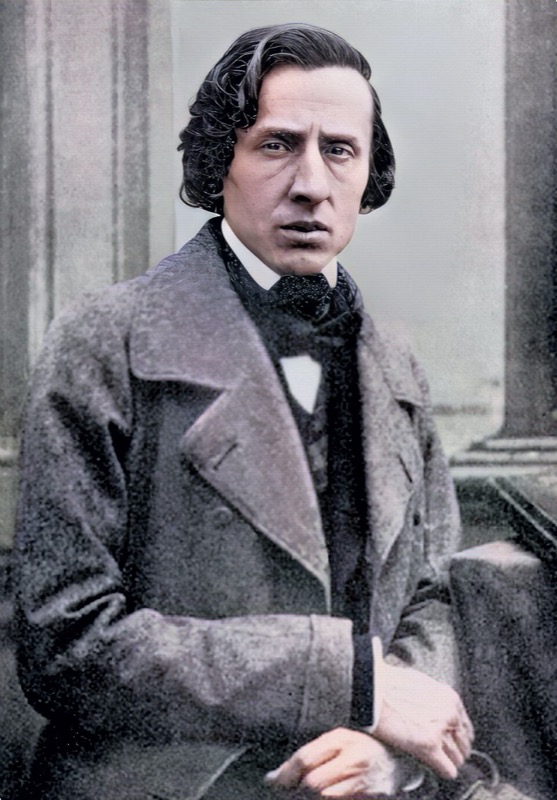
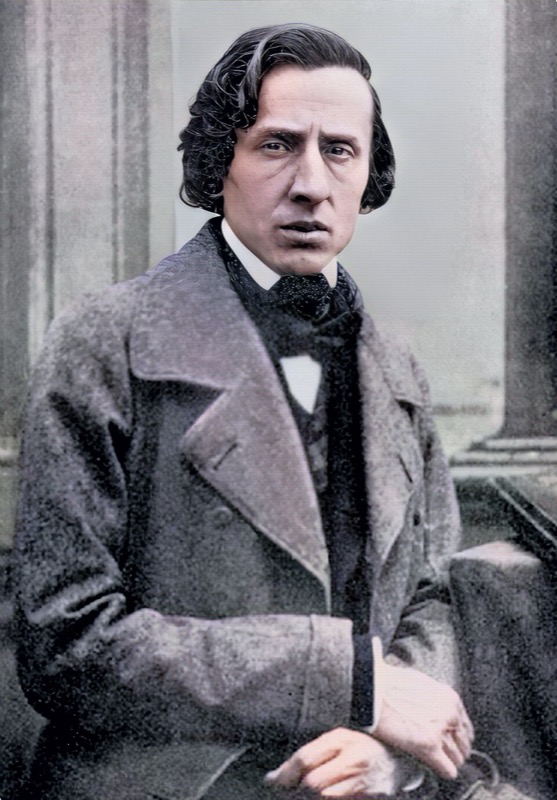
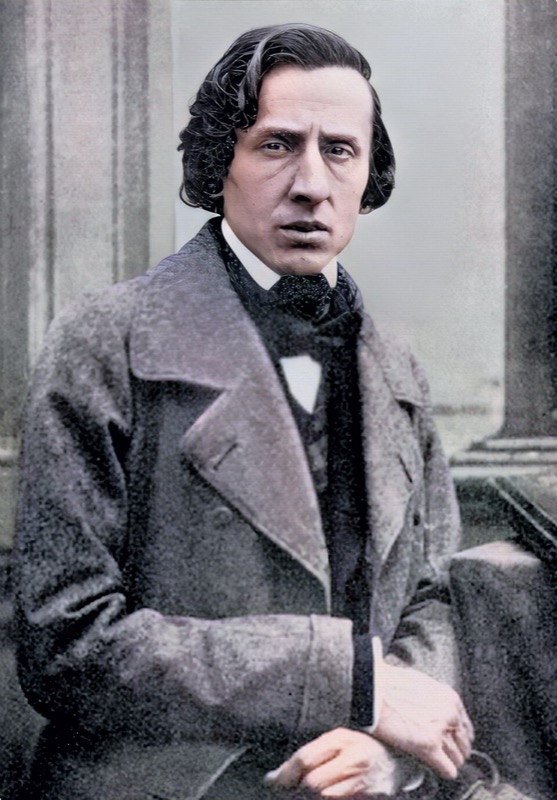
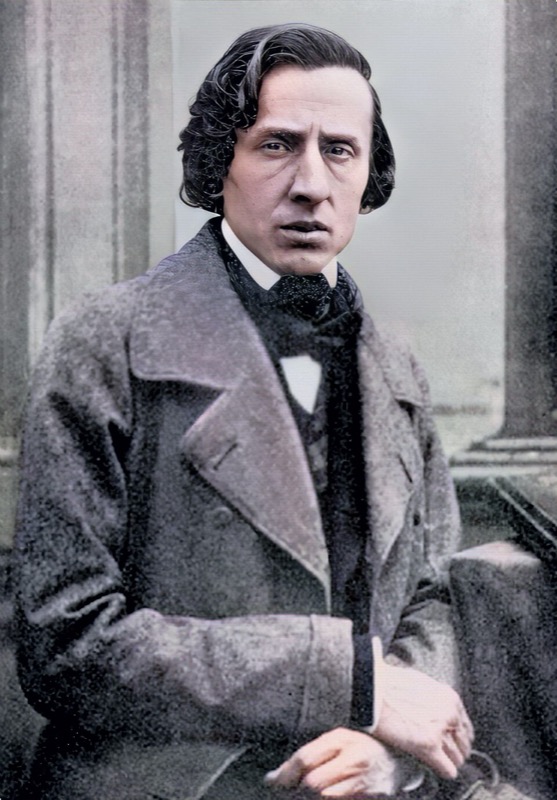
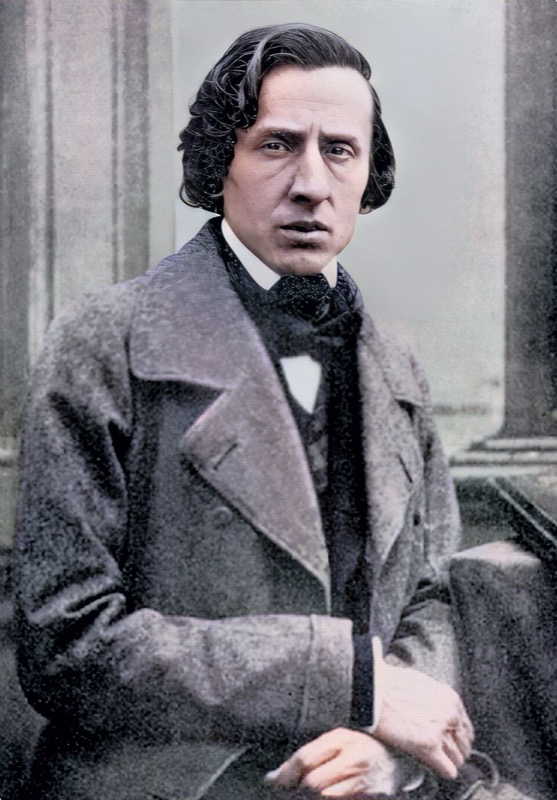
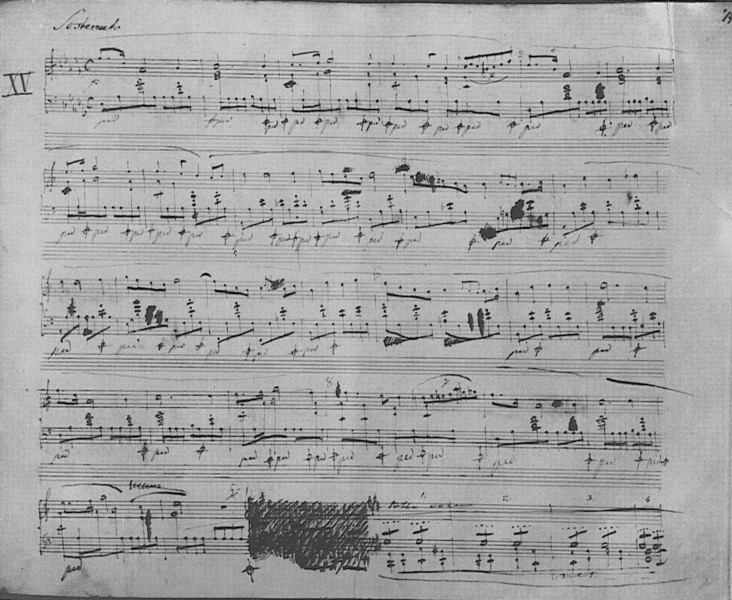
The fifteenth prelude is the longest of the Op. 28 set and the only one with a widely known nickname. The 'Raindrop' label - attached posthumously by Chopin's student and biographer Julian Fontana - refers to the single repeated note that runs almost uninterrupted from the first bar to the last: A-flat in the opening D-flat major section, respelled as G-sharp in the stormy C-sharp minor middle section, and returning as A-flat for the recapitulation. Chopin himself disliked programmatic nicknames and reportedly denied the raindrop story, but it stuck.
The piece was written during the winter of 1838-39 on Majorca, where Chopin and George Sand had retreated for his health. Conditions were difficult - the cold and damp worsened his tuberculosis - and several of the preludes composed there carry that weight. The middle section of No. 15, with its insistent bass octaves and dark modal harmonies, has the quality of something oppressive and inescapable. The return of the opening material feels like emergence rather than mere repetition.
At roughly six minutes in an unhurried performance, the piece demands sustained attention from both performer and listener. The repeated note is both its structural spine and its greatest challenge: keeping it even and unobtrusive in the outer sections, then letting it become ominous and heavy in the middle, requires a fine ear and considerable control of touch.
Practice path
Master the pulse, then navigate the storm.
The piece has three clear sections: the serene D-flat major opening (which returns at the end), and the turbulent C-sharp minor middle episode. Use the section loop to work each separately before connecting them. The transition points - into the middle section and back out - need the most care.
The repeated A-flat / G-sharp must feel effortless rather than mechanical. Practise the left hand alone in the outer sections, aiming for a uniform, light touch on the repeated note. In the middle section, let the same note become a deliberate weight in the bass octaves.
Score basis: Generated MusicXML from Mutopia MIDI. Public domain composition; UNKNOWN - confirm from .ly header; MusicXML generated for Pianodemy. Attribution: Mutopia Project (https://www.mutopiaproject.org/ChopinFF/O28/Chop-28-15/).
MIDI source: Mutopia Project (https://www.mutopiaproject.org/ChopinFF/O28/Chop-28-15/). UNKNOWN - confirm from .ly header.
Questions
Before you practice.
Short answers for learners and for searchers deciding whether this is the right version to start with.
01Why is Op. 28 No. 15 called the Raindrop Prelude?
The nickname refers to the persistent repeated A-flat (or G-sharp) that runs through the piece, evoking dripping water. The name was not Chopin's own - it came from listeners after his death.
02How difficult is the Raindrop Prelude?
It sits in the intermediate range. The outer sections are manageable once the repeated note is controlled; the dense C-sharp minor middle section requires more finger independence and arm weight.
03How long is Op. 28 No. 15?
At a typical tempo it runs around five to six minutes across 89 measures - the longest of the 24 Preludes - making it feel more like a complete character piece than a brief sketch.
How to use this V1
Same note, two different characters.
Use 50% tempo and wait-for-note mode to lock in the repeated note against the melody in the opening section - the goal is a pulse that never rushes or drags. Switch to the middle section loop at 60% to feel the difference in touch: the bass octaves should be heavier and more deliberate, almost oppressive. At 75% tempo, Play-along mode helps you feel the phrase shape across both hands before returning to full speed.
Keep going