Interactive piano piece
Learn Sonata Op. 78 - Adagio cantabile
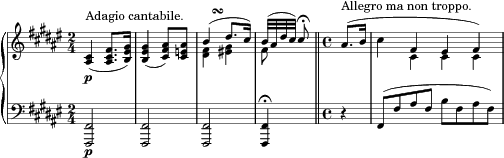
A sparkling and rarely-played gem - Beethoven's Op. 78 Sonata in F# major opens with a four-bar Adagio cantabile introduction before bursting into a graceful Allegro ma non troppo. The interactive score is ideal for isolating the Adagio cantabile introduction from the Allegro ma non troppo body - they need different preparation and should be connected only once each is fluent on its own.
Browser MIDI check pending
Loading score...
Press Play for the full piece, or choose Opening and switch to Wait for note for guided right-hand practice.
About the piece
Beethoven's favourite of his own sonatas - a piece for Therese.
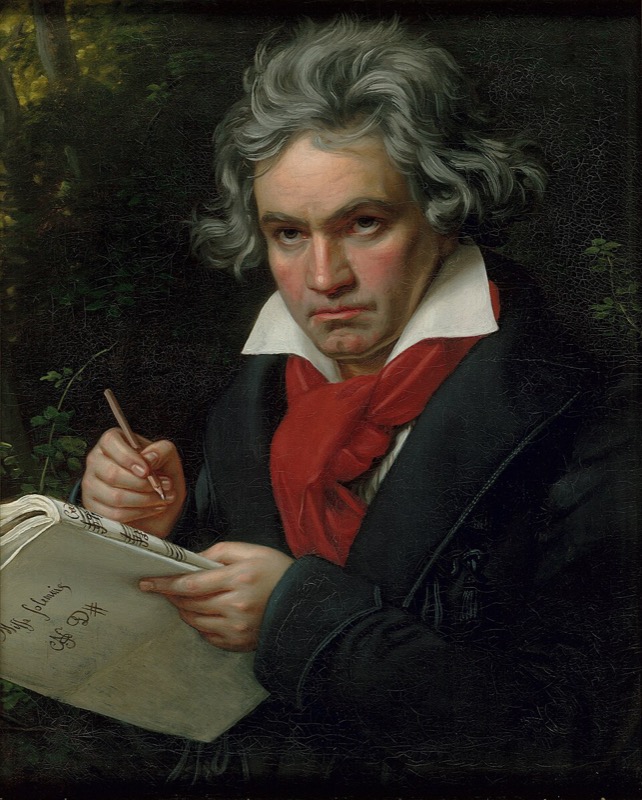
Beethoven composed the Sonata in F-sharp major, Op. 78, in 1809 and dedicated it to Therese von Brunswick, one of his piano students and a woman many scholars believe he loved. He reportedly told friends it was his favourite of his own sonatas - a startling claim given the competition - and the remark suggests he valued intimacy and directness over scale. Op. 78 lasts barely twelve minutes in total, but Beethoven seems to have considered its emotional precision more important than its length.
The first movement opens with a four-bar Adagio cantabile introduction in F-sharp major - a key Beethoven used rarely, with its six sharps and slightly veiled warmth. The Allegro ma non troppo that follows unfolds in a compressed sonata form, its themes closely related, its development brief but harmonically adventurous. The movement ends with a coda that reaches back to the opening introduction's tone before resolving quietly in the home key.
Practice path
Prepare the Adagio introduction separately before the Allegro.
The four-bar Adagio cantabile introduction sets the emotional temperature for everything that follows. Practice it alone until it feels like a complete thought - not just a slow warm-up. The Allegro ma non troppo requires a light, conversational touch; resist any tendency to make it sound grand. Loop the development at 70% to keep the harmonic shifts clear, and practice the transition from development to recapitulation until it feels seamless.
Score basis: Generated MusicXML from Mutopia MIDI. Public domain composition; Public Domain; MusicXML generated for Pianodemy. Attribution: Mutopia Project (https://www.mutopiaproject.org/ftp/BeethovenLv/O78/LVB_Sonate_78_1/).
MIDI source: Mutopia Project (https://www.mutopiaproject.org/ftp/BeethovenLv/O78/LVB_Sonate_78_1/). Public Domain.
Questions
Before you practice.
Short answers for learners and for searchers deciding whether this is the right version to start with.
01Why did Beethoven prefer Op. 78 over the Moonlight Sonata?
According to Beethoven's student Carl Czerny, the composer said he preferred Op. 78 to the Moonlight (Op. 27 No. 2). Scholars suggest Beethoven valued its tighter construction and intimate lyrical quality over the Moonlight's dramatic gestures.
02How hard is Beethoven Op. 78 for piano?
Op. 78 sits at the intermediate-advanced level. The five-sharp key signature and flowing Allegro passagework are demanding, but the piece is shorter and less technically daunting than the Waldstein or Appassionata.
How to use this V1
Intimacy and lightness over drama.
At 65% tempo, the Adagio introduction should feel spacious and singing - each note of the melody held to its full value. In the Allegro, the right hand's figurations should feel effortless at 75% before moving to full tempo. The development's modulations pass through several distant keys quickly; loop each transition at 65% to ensure the voice leading is audible. The final coda should be the movement's quietest moment, not its most conclusive.
Keep going